



Ensuring Accuracy: The Critical Role of Instrument Calibration
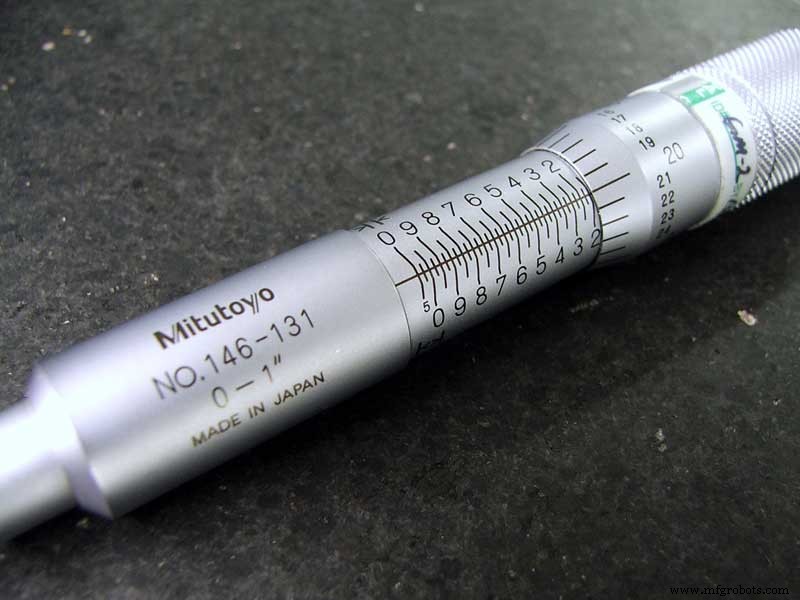
Calibration is a comparison between a known measurement (the standard) and the measurement using your instrument. Typically, the accuracy of the standard should be ten times the accuracy of the measuring device being tested. However, an accuracy ratio of 3:1 is acceptable by most standards organizations. Sure Controls provides preventative field service to help you ensure your instruments and controls are accurately calibrated. Calibration of your measuring instruments has two objectives: it checks the accuracy of the instrument and it determines the traceability of the measurement. In practice, calibration also includes repair of the device if it is out of calibration. A report is provided by the calibration expert, which shows the error in measurements with the measuring device before and after the calibration. To explain how calibration is performed we can use an external micrometer as an example. Here, accuracy of the scale is the main parameter for calibration. In addition, these instruments are also calibrated for zero error in the fully closed position and flatness and parallelism of the measuring surfaces. For the calibration of the scale, a calibrated slip gauge is used. A calibrated optical flat is used to check the flatness and parallelism. The accuracy of all measuring devices degrade over time. This is typically caused by normal wear and tear. However, changes in accuracy can also be caused by electric or mechanical shock or a hazardous manufacturing environment (e.x., oils, metal chips etc.). Depending on the type of instrument and the environment in which it is being used, it may degrade very quickly or over a long period of time. The bottom line is that calibration improves the accuracy of the measuring device. Accurate measuring devices improve product quality. A measuring device should be calibrated: The hidden costs and risks associated with un-calibrated measuring device could be much higher than the cost of calibration. Therefore, it is recommended that the measuring instruments are calibrated regularly by a reputable company to ensure that errors associated with the measurements are in the acceptable range. Looking For Industrial Automation Parts? We Can Help!What is calibration?
Why calibration is important?
When should you calibrate your measuring device?
Call us to discuss your calibration needs at:
(800) 844-8405.
Automation Control System
- Why Tantalum Is a Cornerstone of High‑Performance Materials
- Content Marketing for Manufacturing: Why It Matters & How to Implement It
- Maximizing Value: The Business Case for Recycling and Repairing Electronic Equipment
- How Precision Manufacturing Boosts Quality, Cuts Costs, and Drives Innovation
- The Crucial Role of Cylinder Clamps in Industrial Machinery Performance & Safety
- Warehouse Optimization: Definition, Benefits, and Key Strategies
- Why the Automation Industry Matters in Industry 4.0
- Understanding Chatbots: How They Work & Why They’re Critical for Your Business
- Why Uniform Wall Thickness Matters in Injection Molding
- Why Comprehensive Operator Training Protects Your Construction Business