



Long-Term Pump Storage Maintenance: Keep Your Spares Ready and Reliable
If you work at a large facility that can’t afford unexpected downtime, you probably have some spare pumps, valves or parts in stock. It never hurts to have spare equipment on the shelf in case of a plant emergency. When things go south, you’re able to swap in the new pump right away. But did you know that letting a pump sit for an extended period of time can cause damage?
Don’t worry; we have a few preventative maintenance tips that will keep your spare pumps in good health while on the shelf.
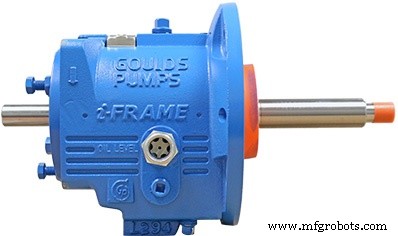 Rotate the Shaft
The most important thing you can do for any spare pump is to routinely rotate the shaft. This should be done every 30 days to keep the bearings from developing flat spots. Not only will this keep your bearings round but it will also keep the faces on mechanical seals from sticking.
Simply turning the input shaft by hand once per month will increase the life of any pump sitting in storage.
Rust Prevention
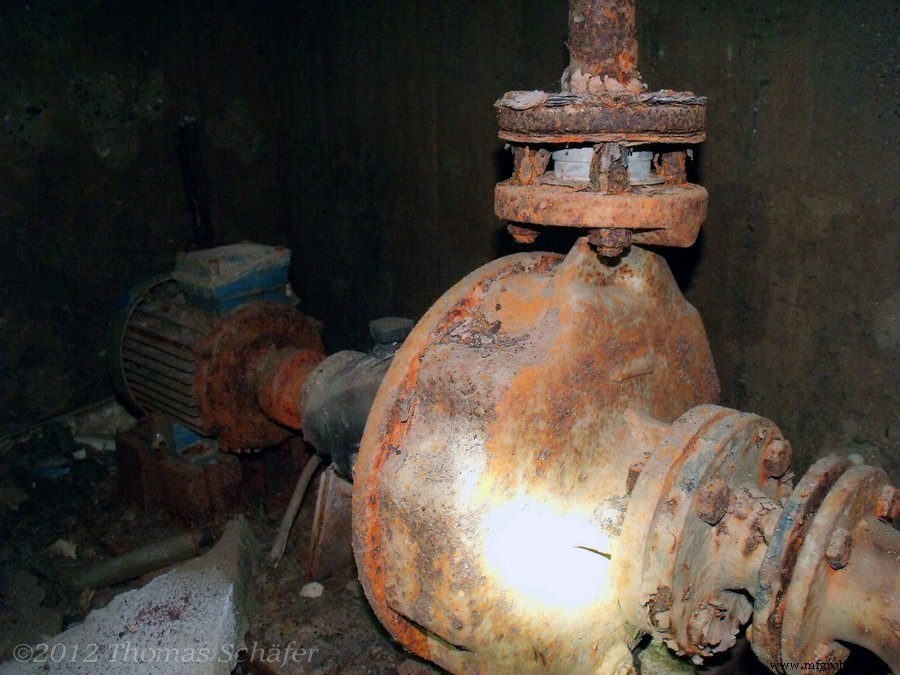
Rust is a silent pump killer. It is important that all exposed metal is coated with a rust inhibitor before being stored. Spraying a light coat of LPS-3 or something similar on the shaft and coupling will prevent the pump from rusting and corroding. When applied, it forms a transparent waxy film that keeps moisture, air, and other corrosive elements off the equipment. Once the pump is ready to be used, simply wipe the protective layer off before installation.

 Climate Controlled Storage
Be mindful of where surplus equipment is stored. Humidity and condensation will promote corrosion, therefore, it's best to store pumps in a dry environment at room temperature.
A pump’s internals can also be damaged if the pump gets too hot or too cold. A paper mill once had issues with their spare equipment because it was being stored on the floor above a paper machine. Paper machines run very hot and emit a lot of vibrations. The equipment was constantly shaking and overheating.
It is never a good idea to store equipment directly on the floor but if that is your only option, we recommend at least putting a wooden pallet underneath to absorb vibration. Always keep pumps away from extreme temperatures.
Don’t Fill with Oil
Sometimes maintenance personnel aren’t sure if they should fill pumps with oil before storage or not. It is usually best practice to keep them dry. If oil is added before storage, there is a chance that the oil could separate and freeze (under the right conditions). This would severely damage the pump if installed as-is. Adding oil before storage could also cause non-compatibility issues. O-rings could swell and begin leaking. A pump can be stored without oil; just don’t forget to add some before installation!
Following these four preventative maintenance tips could save the life of your spare equipment. It would be a shame to damage your backup pump(s) before their first use. You rely on this equipment for emergencies, so it is important to take care of it!
For more tips and other insightful information, subscribe to our blog!

Industrial Technology
- Best Practices for CNC Preventative Maintenance
- Balancing Equipment Ownership and Cross‑Training for Maintenance Technicians
- 6 Essential Welding Practices for Plant Maintenance
- 5 Proven Maintenance Practices to Maximize Heavy Machinery Performance
- Top 5 Long-Term Benefits of Proactive Equipment Maintenance
- Maximize Valve Longevity: The Ultimate Guide to Preventative Maintenance
- 5 Key Benefits of Preventative Maintenance for Industrial Equipment
- Designing an Effective Preventative Maintenance Program for Equipment
- Hydraulic Equipment Reliability: Proactive Maintenance Best Practices
- The Critical Role of Preventative Maintenance in Manufacturing Equipment