



The Critical Role of Preventative Maintenance in Manufacturing Equipment
Preventative maintenance for manufacturing equipment is one of the most important steps in keeping your equipment operations running smoothly. Although it may seem daunting shutting down manufacturing and facing downtime and the related costs, performing regular, scheduled maintenance can actually save money in the long run. It’s never a good time to have your manufacturing equipment suddenly fail and thrust your facility into an emergency situation.
Why Preventative Maintenance?
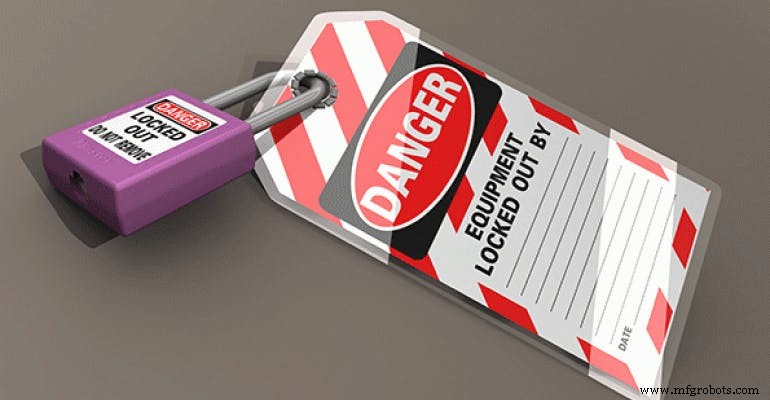
Without having a preventative maintenance plan in place for your manufacturing equipment, your business is at risk for many potential issues:
Reduced efficiency: Not only will production be delayed when equipment fails and manufacturing lines are down, but there will still be operating costs to pay while equipment is repaired.
Less-reliable production times: Unexpected equipment failure most often leads to production delays, which means your customers don’t receive their products on time.
Reactive repairs: Repairing your manufacturing equipment after an unexpected failure generally results in higher costs to fix the equipment. You may be charged more for the repair if there’s an emergency service fee. Did your machine break down at 8am? It might be 8pm on the following day before your equipment can be repaired. You may wait even longer if a part must be ordered.
Hazardous conditions: Equipment that is not kept in good repair is more likely to break down suddenly and unexpectedly, potentially putting workers in harm’s way.
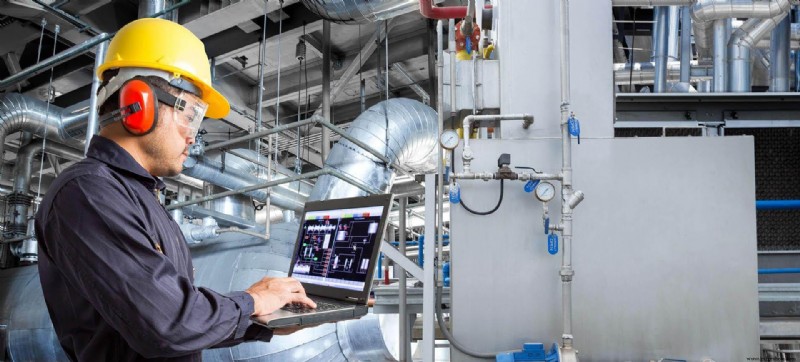
More product defects: Equipment that is not well maintained may lead to defective product runs, resulting in the need to discard product or even initiate product recalls.
Increased wear and tear on equipment: A piece of equipment that runs for weeks or months without appropriate maintenance — with a blade that isn’t sharp enough or in misalignment due to vibration, for instance — tends to wear more quickly and sustain additional damage that would otherwise have been avoided with regular maintenance.
Planning Preventative Maintenance for Manufacturing Equipment
When your equipment is working overtime to keep up with consumer demand, it’s difficult to consider taking it offline – it never feels like the right time. The dilemma is understandable. However, it’s important to remember that scheduling preventative maintenance for manufacturing equipment keeps the long term health of your operations at the forefront and lessens the amount of emergency breakdowns you will face.
The frequency of maintenance required by your equipment will vary for each piece. It is important to keep accurate records of the number of hours a given piece of equipment has run, the output in terms of units it has produced, and the number of startup and shutdown cycles the equipment has undergone. Discuss this information with your maintenance service provider when creating a maintenance plan so that the optimal schedule can be determined.
Depending on the piece of equipment and its function, it may be best to have it serviced based on an interval of time, whether that be weekly, monthly, semi-annually or annually. Consult the manufacturer’s specifications for further guidance; the warranty may require a specific maintenance schedule be used.
Scheduling preventative maintenance during slow production times or plant shutdowns will be less disruptive to overall production.
A Culture of Prevention
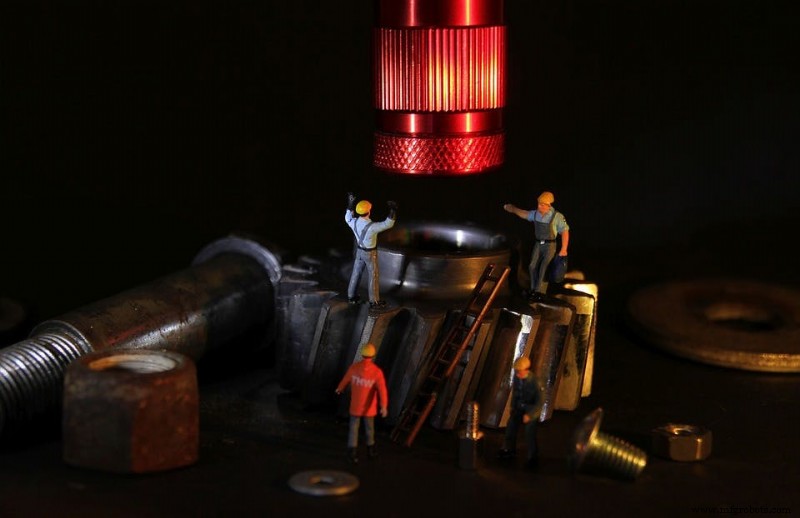
Instilling a culture of preventative maintenance across your manufacturing lines and facility will be beneficial to your operations. Everyone from the top down should be onboard with the need to schedule and follow through with preventative maintenance for manufacturing equipment and to make it a priority.
Employees may be able to participate in preventative maintenance procedures as well, executing daily or weekly tasks such as lubricating equipment, examining their station for wear and tear, and keeping their areas clean and clear of debris.
PM Documentation
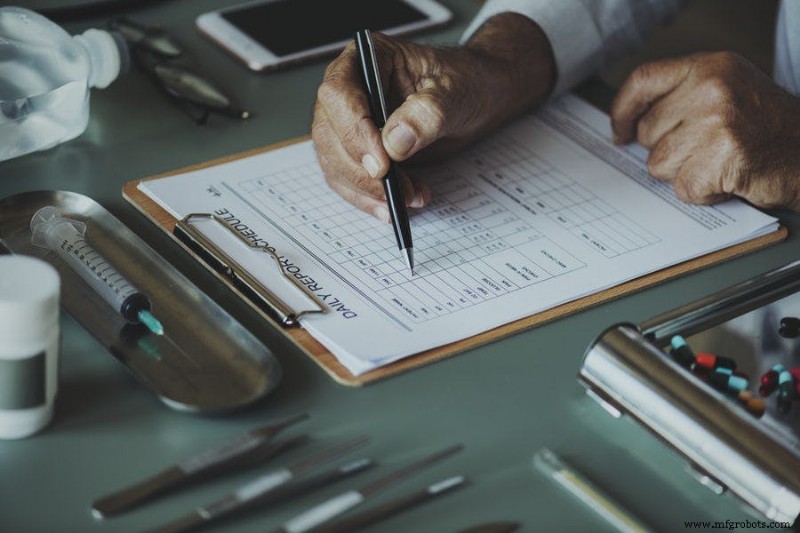
Always keep a record of equipment maintenance performed by your maintenance service provider, specifically the following:
 Date of service
- Pieces of equipment that were worked on
- Parts of the equipment that were addressed
- Adjustments or repairs made to the equipment
- A copy of the technician’s notes for future reference
Hiring the Right Preventative Maintenance Provider
When choosing a maintenance provider, seek out a relationship with a company that values communication and customer service. Make sure that they can explain all recommended preventative maintenance measures and that the plan is tailored to the make and model of your equipment.
A prospective maintenance provider should want to know the age, output, and typical usage of all of your equipment in order to develop an appropriate plan, as well as the manufacturer’s specifications. Finally, technicians should be willing to educate employees onsite about tasks that they can perform between maintenance visits.
MAC Hydraulics – Dependable Manufacturing Equipment Repair & Maintenance Providers
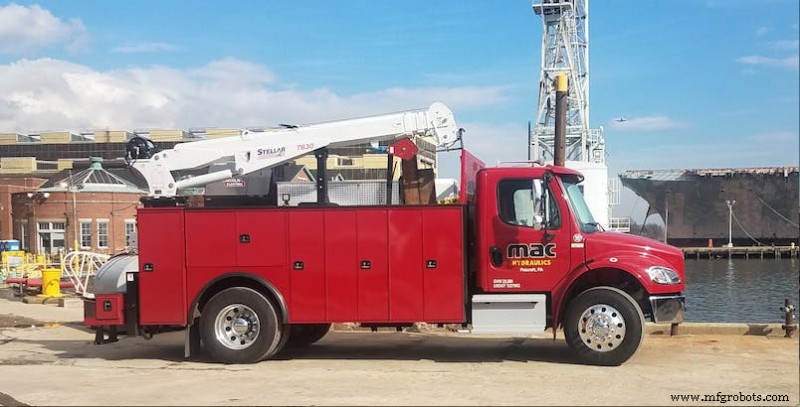
Hydraulic equipment plays a vital role in the manufacturing process of countless industries, where timeliness and precision have become increasingly important as competition continues to grow. You must be able to rely on your hydraulic equipment to fulfill your contracts and control your costs. Our comprehensive preventative maintenance programs provide all necessary inspections, replacements, analysis and cleanliness measures.
MAC Hydraulics will work with you to assess your equipment and to create a preventative maintenance plan that keeps your operations running at maximum efficiency. We advise our customers to take a proactive approach, which saves money over time. Our maintenance and repair services are convenient and expeditious, bringing many of our services to your doorstep with our onsite service trucks.
Contact MAC Hydraulics today to find out more about how our preventative maintenance for manufacturing equipment programs can keep you up and running and save you money in the process. We’re looking forward to serving you!
Equipment Maintenance and Repair
- Manufacturing KPI Mastery: 20 Proven Metrics to Drive Efficiency & Profit
- Balancing Equipment Ownership and Cross‑Training for Maintenance Technicians
- Key Lessons for Senior Management on Condition‑Based Maintenance
- Mastering Asset Maintenance: Key Factors for Optimal Performance
- Long-Term Pump Storage Maintenance: Keep Your Spares Ready and Reliable
- 5 Key Benefits of Preventative Maintenance for Industrial Equipment
- Designing an Effective Preventative Maintenance Program for Equipment
- Epicor: How Connectivity Drives UK Manufacturing Success
- The Critical Role of Proactive Machinery Maintenance for Efficiency and Cost Savings
- Hydraulic Equipment Reliability: Proactive Maintenance Best Practices