



How Construction Sites Are Quietly Driving Up Your Carbon Footprint
The construction industry is essential in providing properties for residents and businesses. However, the building process can use up resources and contribute to air pollution. In fact, buildings generate nearly 40% of annual global carbon dioxide emissions. Here are some of the ways construction sites aren’t the most eco-friendly.
1. Transportation Vehicles Burn Fossil Fuels
Contractors need to transport materials to onsite locations, contributing to greenhouse gas emissions. A standard vehicle emits about 4.6 metric tons of carbon dioxide per year. The gas then pollutes the air, making it harder to breathe. Also, the increase in greenhouse gases contributes to climate change.
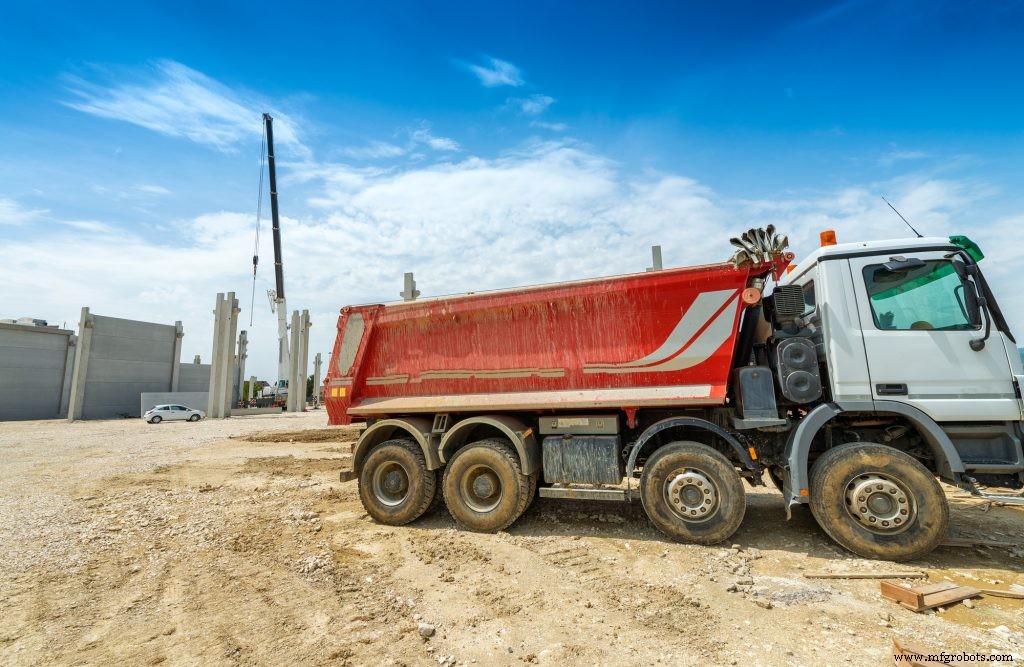
In addition to transport trucks, onsite machinery also emits gases. Contractors use bulldozers to dig and move around materials to build a foundation. Depending on how long a project takes, these machines may need multiple refills of gas.
Regular maintenance of vehicles is vital to reduce excess fuel consumption. Contractors should make sure to regularly change the oil, filters, and wiper blades. It’s also good to check battery life and tire pressure. Another way to use less fuel is to plan routes ahead of time, preventing sitting in traffic.
2. Electricity Is Used to Keep Supplies Running
Most power tools, machinery, and generators are run by electricity. In 2019, energy cost the construction industry $39.4 billion. However, electricity is often made in power plants. These sites burn fossil fuels to produce electricity, which increases our carbon footprint. They can also increase the production of methane.
Also, fossil fuels are nonrenewable energy sources, so we want to preserve them. Running low on supplies can lead to higher energy costs in the future.
Contractors should employ renewable energy sources for power, such as solar, when possible. Make sure to position them on the parts of the building that get the most sun exposure. Also, when lighting buildings and construction sites, use LED lights. These use about 75% less energy than incandescent lights and can last longer.

3. Unused Materials Are Piled Up in Landfills
Many construction projects involve excess materials which end up in landfills. These can come from the demolition process, such as broken wood from shelving or castoff tiles. Contractors might also have scrap material that didn’t work in the space.
When the products decompose, they release methane, which can increase climate change. Contractors should consider recycling, reducing the risk of items ending up in landfills. In addition, unused products create the need for fabricating new materials. During the creation of materials, resources and energy are wasted. Reusing supplies can help the planet and save costs.
Steel, glass, and concrete are common materials repurposed to create fixtures. Here are more supplies that contractors can recycle:
- Wood and lumber
- Drywall
- Roofing shingles
- Windows
- Appliances
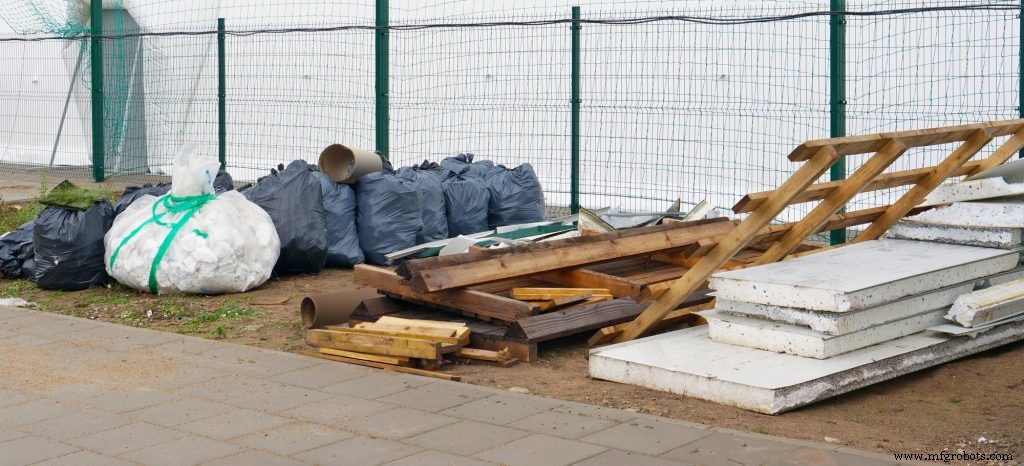
Contractors can also donate these extra materials to architectural salvage stores. For some homeowners, these scraps can create unique focal points for living rooms. Builders can also sell reusable materials at a local construction recycling depot. A local builders’ association or environmental agency can give contractors additional resources. Contractors should decide where materials end up before the demolition process.
4. Packaging Can Lead to Plastic Waste
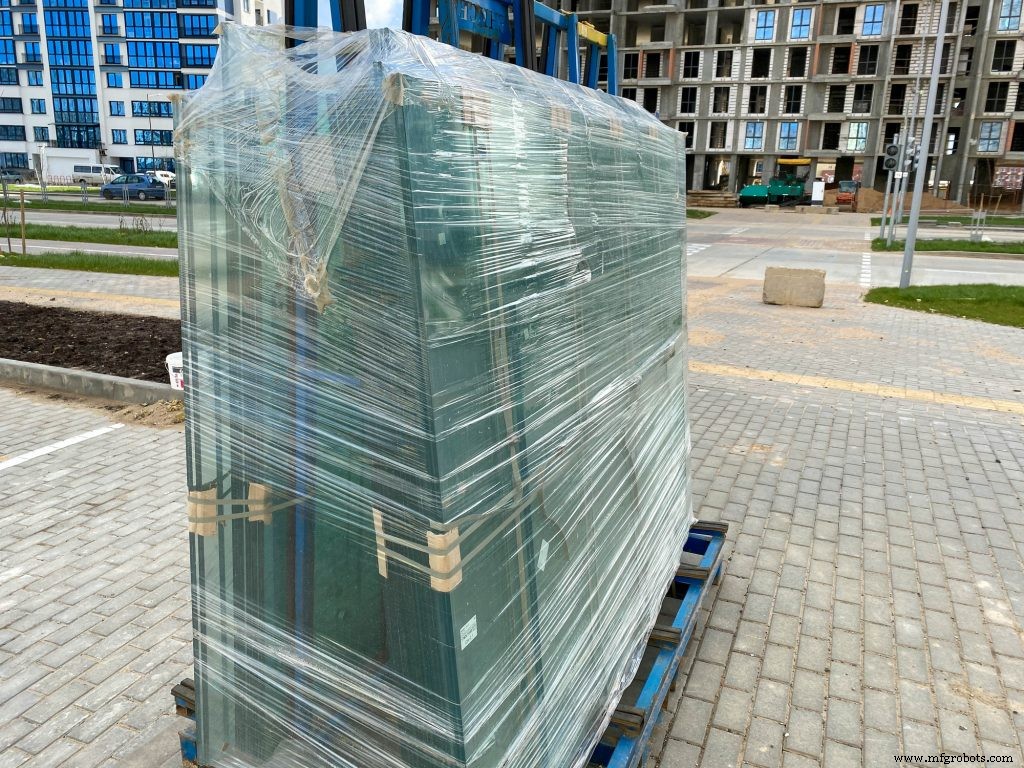
When contractors get supplies delivered, it comes in packaging, often involving plastic wrap. Some materials, such as glass, are more fragile and may need to be packed tighter. In 2018, packaging waste contributed to 28.1% of total waste generated.
However, plastic can end up in landfills and take years to break down. For example, a plastic bag can take 20 years to decompose. Plastic can also get carried into oceans and harm marine life. So, contractors should make sure they work with vendors who follow eco-friendly practices. Look for companies that use biodegradable or recyclable filling materials.
Also, contractors should consider buying supplies in bulk to reduce their plastic consumption. Then when protecting materials, use reusable plastic boxes to place items. Architects can even use some of the plastic sheeting for onsite weather protection.
5. Using Non-eco-Friendly Materials
Many contractors may pick materials based on pricing and client requests. However, the materials used aren’t always best for the environment. Poplar materials, such as concrete and steel, are not made through sustainable practices. Contractors should use materials likerecycled steel, bamboo, or reclaimed wood as alternatives.
In addition to eco-friendly materials, contractors should also use proper insulation. It ensures heat doesn’t escape while conserving energy, meaning less fuel will be burned to heat the house. Also, contractors should encourage clients to install solar panels on the roof in areas where they are not mandatory by law. These can help to reduce the amount of grid-based electricity used.
They can also ask residents to install energy-efficient appliances, like dishwashers and refrigerators. Smart devices are also becoming popular and can help with energy efficiency. For example, smart thermostats can adjust to a homeowner’s ideal temperature. Plus, they can control the device right from their phone.
How the Construction Process Can Impact the Environment
The construction process involves multiple steps, from transportation to building. Each of these stages can indirectly impact the environment. They often involve the use of large amounts of energy and wasted materials. Contractors should work to reduce fuel emissions and excess packaging to help the planet.
Industrial Technology
- Cut Your Carbon Footprint: How Data Analytics Drives Sustainable Logistics
- Carbon Nanotubes: Pioneering Ultra-Strong, Ultra-Light Materials
- Elastomeric Polyurethane (EPU): Key Features and Applications
- CE 221 – High‑Temperature Composite for Advanced Applications
- EPX 82: Carbon’s High-Strength Epoxy for Advanced Applications
- Explore RPU 70: Carbon’s High-Performance, Heat‑Resistant Rigid Polyurethane
- Whip Mix Surgical Guide: Premium Biocompatible Resin for Carbon® 3D Printing
- Boost Your Construction Equipment Productivity: Proven Strategies for Efficiency and Profitability
- Professional Guide to Safely Disinfecting Construction Equipment
- Structural Steel vs. Other Building Materials: Cost & Efficiency Compared