



Industry 4.0: Leveraging IoT to Transform Manufacturing
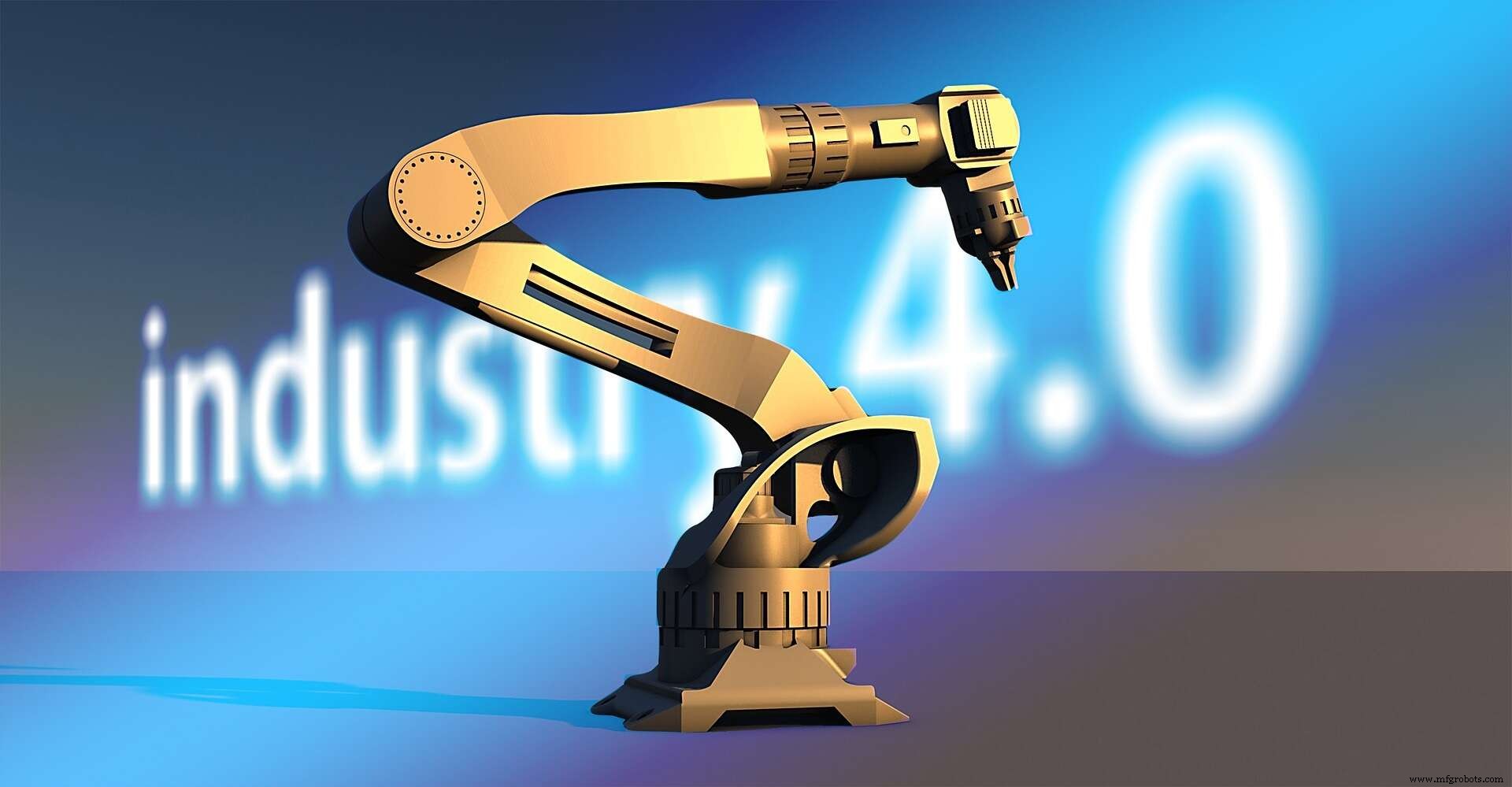
The driving force behind the Fourth Industrial Revolution, the Internet of Things emerges as the key enabler in digital transformation that spans across industries. By leveraging versatile sensors, 5G networks, cloud and edge computing, and advanced big data analytics, IoT ushers a new, connected, and data-driven world of never-before-possible efficiencies.
Front of the line to tap into the IoT-enabled opportunities is manufacturing. The industry spending leader is expected to invest almost $200 billion in IoT solutions in 2019. Ambitious manufacturers harness cutting-edge technologies and faster networks to set up smart factories and stay afloat on the competitive landscape.
An outcome of Industry 4.0, a smart factory brings us into the age of connected and responsive manufacturing. To that end, smart factories rely on IoT sensors and devices to capture real-time data and adapt operations — with little to no human intervention. The result is greater business agility, enhanced productivity, and reduced costs.
Want to learn how to achieve these benefits? Let’s dive right in.
Data-driven predictive maintenance
Within a smart factory, intelligent sensors, meters, and IoT-enabled devices meticulously aggregate data from connected operations and production systems. This structured and unstructured IoT data — when thoroughly processed and analyzed — become the goldmine of valuable insights.
Advanced predictive models leverage real-time and historical data to paint a complete picture of the industrial environment and predict equipment failures. By proactively addressing the issue and optimizing the maintenance schedule, manufacturers can avoid productivity loss, minimize expensive downtime, and reduce replacement costs.
The benefits of predictive maintenance do not stop here. Spare parts management also becomes much more efficient with automatic part ordering based on the fact-based forecasts — no need in inventory buildup.
Real-time monitoring
Machine-to-machine (M2M) and machine-to-human (M2H) communications bring unprecedented transparency across the shop floor. Real-time visualization of internal processes enables facility managers to make decisions faster — and smarter.
Connected machines keep you up to date on their performance allowing you to streamline operations, identify inefficiencies, and improve productivity. The real-time visibility also translates into enhanced safety through instant alerting and notifying the relevant staff members or workers at risk.
Suppliers and OEMs, too, can benefit from real-time parameter monitoring and logging. To decide whether repairs or part replacement is covered by a warranty, a complete and reliable picture of the equipment operation conditions proves invaluable.
Digital twins
A digital twin model may not be new but advances in computing capabilities and cheaper data storage drive its wider adoption in manufacturing. A dynamic digital replica of a physical asset, a digital twin enables companies to reduce time to market, spot problems sooner, and improve business outcomes.
IoT is a key driver for digital twins fueled by real-time data. By outfitting an object or a process within a smart factory with myriads of connected sensors, manufacturers can build a near-real-time digital profile that provides valuable insights into system performance. Through the power of analytics, these insights turn into use cases for further process optimization.
Digital twins also drive innovation. A virtual replica of a complex manufacturing process acts like a real-time test bed for experimenting with new scenarios and testing new settings — all in a cost-effective manner.
Connected supply chain
Limited visibility of traditional supply chains is yet another long-standing hurdle for global manufacturers. With the increasing network complexity, multichannel distribution, and growing number of stakeholders, lack of transparency can result in poor product quality, late deliveries, and damaged bottom line.
Connectivity is shaping the linear supply chain into a dynamic, interconnected digital supply network with end-to-end visibility. From sourcing to production to logistics, IoT devices continuously stream detailed data enabling smart supply chain management.
Powered by Low Power Wide Area (LPWA) networks, Bluetooth, GPS, RFID, and other technologies, tracking solutions allow manufacturers to visualize exact asset location in real time. Smart sensors placed with the products can provide granular data about transportation conditions like temperature, humidity, and light exposure, sending alerts in case of damage or exceeded thresholds.
The future of manufacturing is smart
The Internet of Things is revolutionizing the manufacturing sector, paving the way for Industry 4.0. From smart factories to digital twins to connected supply chains, enterprises are leveraging IoT development to streamline automation, boost productivity, and optimize operations. As the digitization trend unfolds, early adopters have a better chance to reap the most benefits and keep their competitive edge.
Industrial Technology
- How to Become a Digital Champion in Manufacturing: A Practical Guide
- Launching a Data Analytics Project in Manufacturing: A Practical Guide
- How Leading IT Trends Transform Modern Manufacturing
- Automation's Transformative Role in Modern Manufacturing
- Leveraging IoT to Transform Automotive Manufacturing: Boost Efficiency & Innovation
- Digital Factories: Smart Manufacturing for Industry 4.0
- Revolutionizing Lean Manufacturing: How Industry 4.0 Drives Efficiency
- Digital Transformation: Revolutionizing Manufacturing and Driving $53 Trillion Global GDP
- Begin Your Industry 4.0 Journey: A Practical Guide
- Digital Manufacturing: Shaping Tomorrow's Industry