



Launching a Data Analytics Project in Manufacturing: A Practical Guide
What this article covers
- Stefanie Peitzker, a marketing specialist focused on software solutions, explores common data‑analytics questions that manufacturing professionals ask.
Data analytics is often praised as the “new oil” of the economy, yet many remain skeptical about its reliability. In this guide we collate frequently raised questions from production experts and answer them with insights from manufacturing‑analytics engineers, IT specialists, and data scientists.
1. Where should a data‑analytics initiative begin within an organization?
There is no single “right” starting point; the launch depends on several factors:
Is data analytics already understood in your company? If not, begin with an orientation workshop that introduces the possibilities of analytics and surfaces potential use cases.
Does management grasp the technical workflow? If not, conduct a requirements workshop with production site experts. The output is typically a cause‑and‑effect diagram that clarifies the problem scope and engages leadership for buy‑in.

Has a concrete problem been defined? For example, “Reduce EoL testing effort.” If so, the analytics team can immediately evaluate whether an existing tool can be applied or requires adaptation.
2. Which stakeholder perspectives must be addressed?
Research by Bosch reveals three distinct plant‑expert archetypes, each needing a tailored communication approach:

Skeptics require clear ROI evidence and quick, tangible results that demonstrate benefits in output, quality, and cost.
Open‑minded operators are curious about novel optimization methods. Focus on explaining the chosen algorithms and how the model will perform with live data.
Believers already see analytics’ value. Start by applying the CRISP‑DM framework together with them and their team to shape the project.
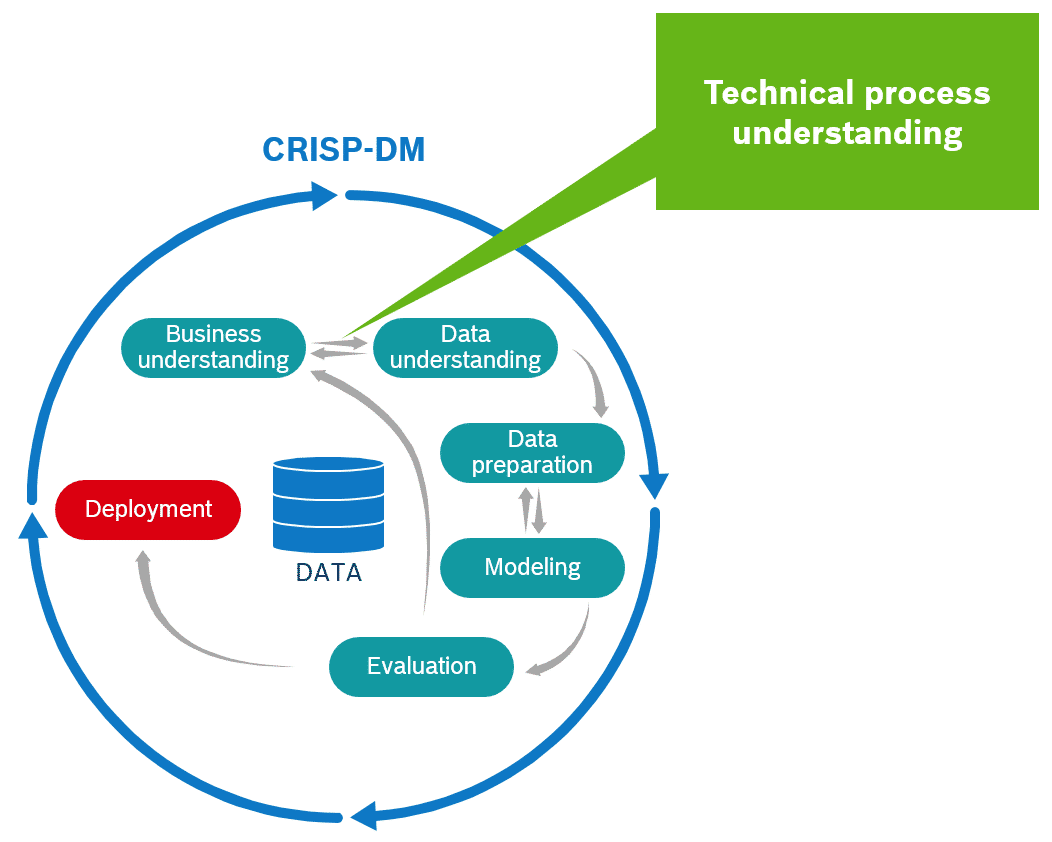
In practice, orientation workshops foster stakeholder buy‑in. By framing the initiative around a business question and iteratively exploring technical constraints, teams can translate sophisticated regression analysis into actionable insights.
3. What knowledge is essential for a successful analytics project?
Stefanie Peitzker
I hold a master’s degree in management with a specialization in geography (University Augsburg, Germany). Since 2003 I have been with Bosch.IO, leading the Marketing Solutions team that delivers Business Rules Management System solutions worldwide.
To execute a manufacturing analytics project, your team should master three knowledge domains:
Business – Communicate project objectives and requirements so analysts can define the problem accurately.
Data – Understand data preparation, modeling, evaluation, and deployment, from simple reporting to real‑time predictive models.
Technical process – Provide a clear overview of the production value chain (e.g., welding, laser, testing, tightening) to enable the analytics engineer to align models with the manufacturing context.
4. What groundwork must manufacturing organizations lay before deploying analytics?
Data collection and preparation often appear daunting. The key is to make data available with the right quantity, quality, and validity. A practical data‑quality guideline can help customers structure the data‑prep phase efficiently.
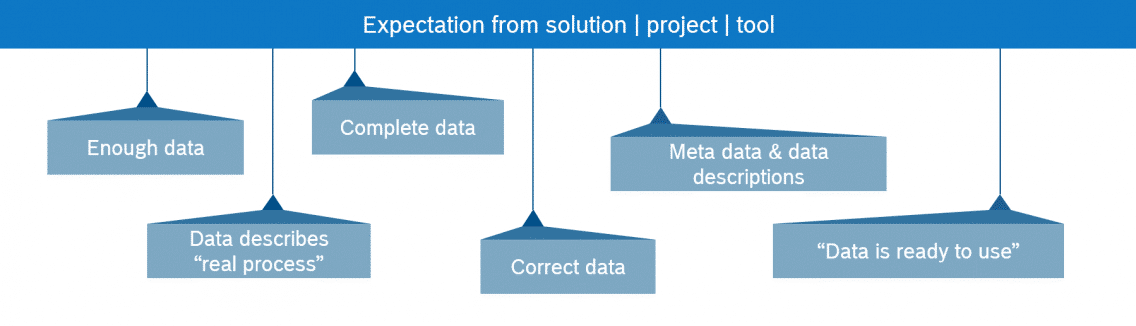
5. How much data is needed to start analytics?
A common rule of thumb is 15 observations per influencing variable. Thus, to assess 30 process parameters affecting a quality metric, you’d need at least 450 data sets. More data generally improves model robustness, and with modern infrastructure, the extra computational load is negligible.
Investing in the data‑quality phase pays dividends: our guidelines help customers build a solid data set without unnecessary time or cost.
6. Can analytics be pursued without in‑house data scientists or a large IT team?
Absolutely. A skilled partner brings together manufacturing engineers, IT specialists, and data scientists to form a lean analytics team. This team handles workshops, model development, and validation, empowering your organization to apply insights without hiring additional staff.

Industrial Technology
- Transform Your Plant: A Proven Path to Data‑Driven Manufacturing
- How to Become a Digital Champion in Manufacturing: A Practical Guide
- Turning Data Analytics Projects into Real-World Success: From Planning to Deployment
- Avoiding Common Pitfalls in Data Analytics Projects – A Practical Guide
- Manufacturing Analytics in Action: Driving Production Excellence at Bosch
- Revolutionizing Lean Manufacturing: How Industry 4.0 Drives Efficiency
- Launch Your Manufacturing Startup: A Step‑by‑Step Guide
- Harnessing Big Data to Drive Efficiency and Innovation in Manufacturing
- Data-Driven Manufacturing: Insights from Fast Radius Leaders
- Storing Process Data with SQLite in PLCnext C++ Projects