



Turning Data Analytics Projects into Real-World Success: From Planning to Deployment
In my previous post I outlined the essential steps for a successful data analytics project. Today I’ll share practical insights on how these projects translate from theory into tangible results, and how Bosch’s prediction model can be applied across real use cases.
1. Did the Project Deliver on Its Objectives?
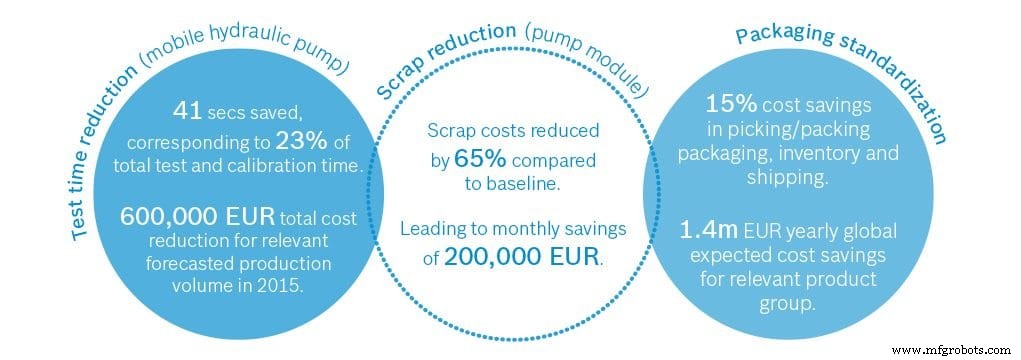
Even after project completion, it’s not uncommon to discover that the outcomes fell short of the initial goals. To avoid this, scrutinize the following common pitfalls:
a. Inaccurate Prediction Model
When the final model fails to meet accuracy targets or deliver actionable insights, the first question is whether the required performance metrics were defined from the outset. Lack of clear success criteria and inadequate data quality or volume often lead to under‑performing models. The root cause is typically a weak planning phase, not the execution.
b. Pursuing an Unsustainable Use Case
Early enthusiasm can mask realistic constraints. If an use case proves unviable, continuing to chase it can drain resources without benefit. Adopt a fail‑fast mindset: evaluate interim results critically, and be prepared to pivot or halt the project if it no longer aligns with achievable objectives. After each project phase, we conduct a rigorous review to ensure goals remain realistic and risks are transparent.
2. From Proof of Concept to Operational Deployment
Success in a controlled lab environment does not guarantee field effectiveness. When integrating a model into an operational control system, latency, hardware constraints, and real‑time performance must be validated. Unanticipated technical limitations often surface only during deployment, underscoring the importance of thorough planning.
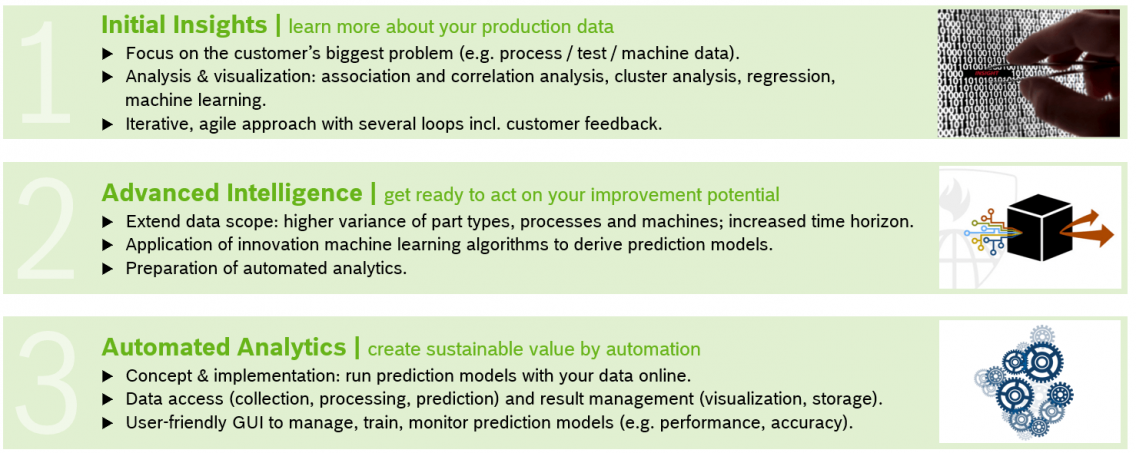
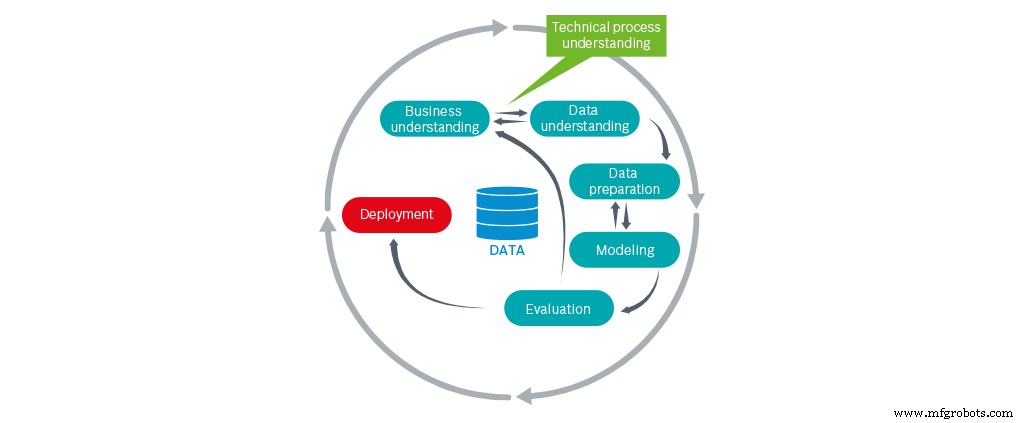
We follow the CRISP‑DM methodology, augmented with a deep dive into the customer’s real‑world processes during the Initial Insights phase. This ensures that data correlates meaningfully with actual production challenges, enabling solutions that truly address on‑the‑ground problems.

Best Practices for Successful Data Analytics Projects
Project failure rarely stems from a single cause; instead, it’s the cumulative effect of several missteps. By dedicating adequate time to the preparation and planning phases—and adhering to proven best practices—you position your project for success.
Industrial Technology
- Avoiding Common Pitfalls in Data Analytics Projects – A Practical Guide
- Manufacturing Analytics in Action: Driving Production Excellence at Bosch
- Launching a Data Analytics Project in Manufacturing: A Practical Guide
- Key Takeaways from Beecham’s ‘Why IoT Projects Fail’ Webinar
- Leading Cloud‑Based IoT Analytics Platforms for 2026
- Effective Strategies to Recover After a Cyber Attack
- Predictive Analytics Demystified: Forecasting the Future with Data Precision
- Top 85+ Electrical Engineering Final Year Projects to Inspire Your Career
- Seamless PLC‑to‑Cloud Integration: Harnessing IoT for Real‑Time Data Retrieval
- Storing Process Data with SQLite in PLCnext C++ Projects