



Modern RIM Products: From Automotive to Advanced Design
When you typically think of Reaction Injection Molding (RIM), what is the first product that comes to mind? If you said automotive bumpers - you must still be stuck in the '70s. Nowadays, RIM has evolved into bigger and better things offering designers a range of physical properties and molding capabilities. In this post, we will break down 3 applications where RIM can be beneficial.
But first, what is RIM?
This manufacturing process is most commonly confused with injection molding. Despite having a similar name and process, RIM offers designers the flexibility to produce rigid, elastomeric, and foam products. Unlike injection molding with plastics, the thermoset materials found in RIM provide superior physical properties. For more details on how RIM differs from injection molding, make sure to check out "What is Reaction Injection Molding".
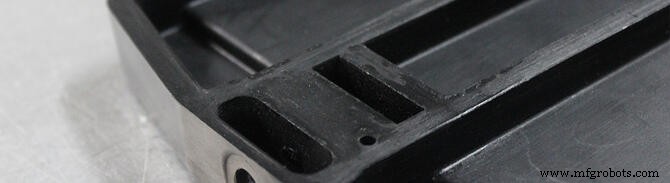
Lightweight goes a long way
RIM can produce strong and flexible parts that are comparable to some metals without the extra added weight. Applications that generally require some form of energy will often see a noticeable difference in fuel efficiency. For example, RIM can play a major role in robotics where weight is critical to the application. The lighter the robot is, the less energy a robot consumes, therefore extending the system's battery life.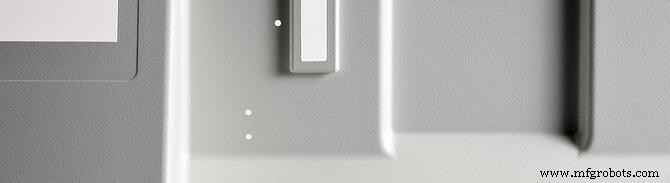
Through thick and thin...
Producing variable wall selections within the same molded part is no challenge for RIM. This process allows designers the flexibility to add both thick and thin walled sections. Take the facade of an ATM machine as an example. This application requires the structural housing to take shape and protect the mechanisms inside it, with sections of differing thicknesses throughout the part. In these cases, durable structural RIM foams are often used.

Complex geometries
Through a low two-part pressure system, large, complex parts can often be produced with minimized air entrapment. This process makes it possible to mold a single part versus multiple parts that may require assembly. Applications that typically benefit from this are solid pool skimmers, batting trainers, and hoods to name a few.
Is RIM right for you?
In conclusion, RIM is more than your car bumper! Instead, this process offers a set of benefits that make it a far more superior alternative compared to other known methods. RIM's ability to produce robust, lightweight parts, with thin to thick wall capabilities and complex geometries offer designers the freedom to create parts for various applications. To help jump start your RIM design, check out our "5 Design Tips for Reaction Injection Molding" or complete our design tool, below, for a stress free process.
Industrial Technology
- Molding Sand Explained: Types, Properties, and Uses in Foundry Casting
- Reaction Injection Molding (RIM): Process, Benefits, and Applications
- Thermoforming vs Reaction Injection Molding (RIM): Choosing the Right Process for Custom Molded Products
- Choosing the Right Surface Finish for Custom Molded Products
- Injection Molding vs RIM: Choosing the Right Process for Complex Designs
- Top RIM Materials: Five Essential Types for Superior Product Design
- Top Blow Molding Machines for Crafting Premium Plastic Parts
- Understanding Molding Sand: Types, Properties, and Its Role in Sand Casting
- 8 Expert Plastic Fabrication Techniques: From Design to Production
- Choosing the Right Wood Finishes: Protect, Polish, and Enhance Your Wood Surfaces