



Choosing the Right Surface Finish for Custom Molded Products
There are several types of surface finishes to choose from when designing custom molded products. Your design requirements will often dictate the appropriate process to achieve your desired look, feel, and texture. In this post, we will uncover the various types of surface finishes available and key factors to consider in your product design.
Aesthetics & Performance
When selecting a surface finish, there are two key factors to consider early on in your design stage - aesthetics and performance. Depending on your project requirements, surface finishing can add a different look and feel to your custom molded products. For example, designers may require a high-quality painted finish to stand out from their competition, while others may require a specific texture to replicate subcomponents produced from other materials. The manufacturing process utilized is often determined based on the appearance you would like your product to entail. For instance, painting injection molded plastics are more complex then painting reaction injection molded (RIM) polyurethanes. Unlike most plastics, polyurethanes typically bond fairly well to various paints allowing for more design freedom, consistent finishes, and fewer secondary operations. To view additional comparisons between RIM polyurethanes and injection molded plastics, click here.
Painted & Textured Molded Products
There are a several surface finishes available through a painted and textured process. Surface finishes can range from smooth and shiny to rough and non-reflective. A few common surface finishes usually consist of specialty grains, etching, sandblasting, polishing, and silk screening. By identifying your application's function, environmental conditions, and material requirements could potentially lead to your ideal surface finish.
 Painted Molded Finishes
Painted finishes offer a huge array of colors and options for custom blends. This often allows designers to produce eye-catching parts through various techniques, such as pad printing, silk screening, spray painting, and in-mold painting to name a few.
Textured Molded Finishes
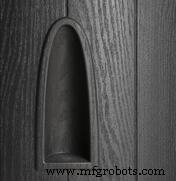
Textured finishes are commonly used to provide additional design benefits, such as improved grip, masked fingerprints, or replicate other materials. Texturing can be achieved through an in-mold or manual process to control exact surface finish requirements.
Below is a list of additional advantages a painted and textured finish can add to your product design:
| Advantages of Painting | Advantages of Texturing |
|
|
|
|
|
|
|
|
Conclusion
From smooth, shiny painted finishes to rough, sandblasted textures, there are many ways to customize your product. Here at MPC, designers can present samples for custom, molded finishes to match exact design needs. If you are still uncertain which finish is best for your product, complete our design tool, here, or click the banner below to start your custom product design.
Industrial Technology
- Comprehensive Guide to Surface Finishes for CNC Machining
- Modern RIM Products: From Automotive to Advanced Design
- Essential Finishing Techniques for Precision Machined Components – Part 2
- Explore Mold Surface Textures for Superior Injection Molding Quality
- Stainless Steel CNC Machining: Tips, Surface Finishes, and Key Properties – Expert Guidance
- Comparing Polishing Surface Finishes for Metal Parts
- Choosing the Right Inconel Alloy for High-Temperature Investment Casting
- Seven Surface Treatment Techniques for Plastics: Boosting Functionality and Aesthetics
- Choosing the Right Wood Finishes: Protect, Polish, and Enhance Your Wood Surfaces
- Immersion Tin PCB Surface Finishes: Top 7 Reasons for Their Growing Popularity