



Why Meat Packaging & Labeling Matter: A Key to Consumer Trust and Product Success
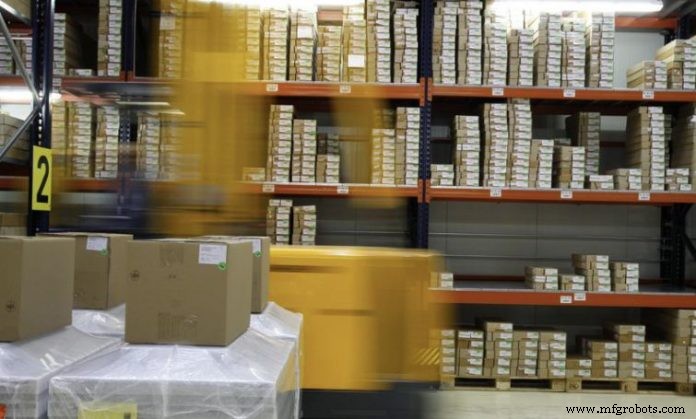
Packaging and labeling are two aspects of a product that substantially impact its chances of success or failure. Consumers often form their initial impression of a product based on its packaging. This implies that packaging is crucial, as it not only simultaneously presents the product but also protects it.
When it comes to making meat products, some meat processors often pay great attention to the components used and how the product is created. There are instances, however, that they sometimes fail to pay sufficient attention to packaging and labeling. Thus, this article will teach you the significance of packaging and labeling concerning meat products.
Meat Labeling
Labeling processed food and beverages must adhere to the following state and federal standards. There can be no food without proper food labeling. As a food producer, you must comply with the law; as a consumer, you can use this information to make an educated food purchase decision and store and securely utilize what you buy.
For consumers who have become increasingly health-conscious, particularly meat products, it is essential to determine whether the meat is safe to ingest and free of chemical pollutants and drug residues. And you can read this kind of information through the meat’s labeling.
Suppose you’re a meat producer or distributor. In that case, whether your label is fresh produce tags or steel carcass tags for meat processing, you have a legal obligation to disclose any information that might compromise the health or safety of your consumers regarding the meat they purchase from you. Thus, your labeling must include the following:
Principal Display Panel (PDP)
The PDP is the portion of the label that would be presented, displayed, shown, or inspected by the consumer under standard conditions.
- Product Name: To accurately express the container’s contents to the consumers, the product name shown on the PDP should conform with naming regulations. The name must adhere to an identity standard, be a common name, or be an appropriate product description.
- Net Quantity Declaration: The disclosure of net quantity enables consumers to check the prices of comparable products at the point of purchase. All retail labeling must indicate the exact amount of the package’s contents by measurement system of weights (pounds and ounces as units), liquid measurement, or the numeric count.
- Handling Statements: Meat products that should be frozen or refrigerated to preserve their perishability must prominently feature specific handling instructions, such as ‘Keep Frozen’ or ‘Keep Refrigerated.’
Information Panel
This is found to the right and directly adjacent to the PDP. It should include an ingredient declaration, the name and location of the producer or distributor, and, if applicable, nutritional labeling.
- Ingredients: Specific standards of ingredient labeling entail knowledge of the composition and functionality of substances.
- Country of Origin: Imported meats, even other imported goods, must be labeled with the country of origin.
- Address: The name or trade name of the meat product’s maker, packer, or distributor, as well as the location of their business, must be included on the information panel.
- Allergy Warnings: Other essential information on food labeling is allergy warnings that assist consumers with particular food allergies in avoiding allergens that might have been present in certain food products.
- Nutritional Labeling: These labels, commonly known as the Nutrition Facts label, educate consumers about the nutrient composition of a food product and assist them in selecting the food they want to purchase and consume.
Meat Packaging
Packaging preserves the benefits of food processing from external effects and damage once the procedure is complete, allowing food products to safely travel across great distances from the point of origin while retaining their nutritional value.
Its function is also to enclose the food and provide nutritional and product information to consumers. Below are secondary functions that increase the importance of packaging:
- Traceability
- Convenience
- Tamper indication
In the meat processing industry, packaging is an essential component as processed meats can assume unnatural shapes. For example, in rare cases, sausage is sold in tube-shaped containers sealed on both ends with a metal clasp, but hot dogs are typically served in groups of eight and packaged in plastic pouches.
Also, meat is a perishable food that rapidly deteriorates if left exposed and uncooked at room temperature. Therefore, if processed, packaged, and stored correctly, you may only preserve meat for future consumption.
When examining processed meat products, it is necessary to consider lipid oxidation, dehydration, discoloration, and scent loss. There are already a variety of meat packing technologies, each with distinct characteristics and applications. Such systems can range from overwrap packaging enabling short-term refrigerated storage or retail display to various modified atmosphere packaging technologies for extended frozen storage or display.
Takeaway
To maintain competition and growth in the meat industry, enhancing and carefully supervising packaging and labeling procedures is essential since they play an important role in consumer decision-making. Thus, these processes in meat production must not be neglected.
Industrial Technology
- Strategic Acquisitions Boost In-Mold Labeling and Packaging Automation
- Packaging Robots: Key Benefits & Capabilities for Industrial Automation
- Why Virtual Trade Shows Are Crucial for Manufacturing Growth
- The Critical Role of Accurate Documentation in Engineering Success
- Design for Manufacturing: Key Principles for Product Success
- Revolutionizing Packaging: Advanced Robotics & Automation for Faster, Safer Shipments
- Why Current Documentation Is Critical: Benefits and Challenges for Your Business
- QFN Packaging: Types, Assembly, and Key Advantages for High-Performance Electronics
- Condition‑Based Monitoring: Key Benefits & Practical Tips for Proactive Maintenance
- Understanding PCB Gerber Files: Key Role in Electronics Manufacturing