



Barcoding Unveiled: Key Benefits and Applications
A Definition of Barcoding
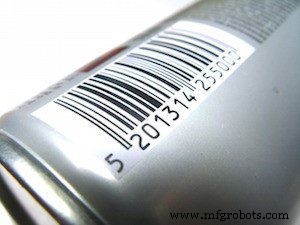
You see barcodes everywhere – from identification cards, to mail, to goods you purchase in a store. The small image of lines, or bars, and spaces are affixed to nearly everything you can imagine, for identification purposes. Specifically, barcodes use a sequence of vertical bars and spaces that represent numbers and other symbols; typically, a barcode consists of five parts – a quiet zone, a start character, data characters (often including an optional check character), a stop character, and another quiet zone.
 Barcoding Applications
Barcoding increases efficiency and productivity in a number of industries, when paired with barcode readers. Barcode readers use laser beams to read the barcodes and translate the reflected light into data that is then transferred to a computer for action or storage. Most people are familiar with barcodes and barcode readers in supermarkets and retail stores. However, barcodes are useful in several other applications, from taking inventory to checking out books, to tracking bees for research. Barcode readers often are attached to computers in retail settings, but they also are handheld and portable for other uses, such as scanning barcodes in warehouses and tracking inventory.
Barcoding and Asset Tracking
Durable barcode labels are a top choice for industries using asset tracking systems. Barcode labels serve as asset tags, warehouse labels, and utility asset labels. In some instances, barcodes may be used as unique identification (UID) labels and tags. Asset tracking maximizes asset control efficiency and minimizes equipment loss for organizations that use mobile computers, barcode labels, handheld barcode scanners, and asset management software to track their assets in real time. Barcodes are the standard for data collection and asset tracking, as they include the information that is critical to business, including project name, asset category, and more. Barcodes and barcode scanners enable organizations to count and track assets more quickly and accurately and virtually eliminate human error.
Barcoding and Inventory Management 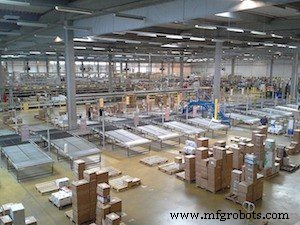
Much like asset tracking, inventory management makes use of barcoding to optimize efficiency. Organizations must know the location of their products, how they are distributed to locations and customers, how to track sold units, and when to reorder inventory. Inventory management systems that utilize barcodes automate all aspects of inventory management and improve inventory positions and forecasting models.
Benefits of Barcoding
However your organization utilizes barcoding, you will enjoy the many benefits of using a barcode system. Barcoding increases operational efficiency, allows for better customer service, and results in improved visibility into key business processes and management practices. Other benefits of barcoding include…
- Speed – On average, one barcode label can be scanned in the same amount of time that it takes an employee to make two keystrokes
- Accuracy – Keyboard operators make an average of ten errors for every 1,000 characters typed, as opposed to one error in every 10,000 reads for an optical character readers, one error in every 3,000,000 characters with wands, and one error in 70 million entries with laser technology
- Ease of Implementation – Most barcode scanner operators learn to use the equipment in less than 15 minutes, and barcode labels are read by thousands of available devices
- Cost Effectiveness – Barcode systems often recoup their investment in 6-18 months and provide the highest level of reliability in a wide variety of data collection applications; barcode systems save time and prevent errors
Accurate information is crucial for your business, both in terms of inventory management and asset tracking. Barcoding is reliable and cost effective, as it virtually eliminates human error and saves valuable time. Barcoding helps companies comply with industry regulations and ensures data accuracy and availability. Ensure accurate information in your supply chain and operations with barcoding.
Recommended Reading
For more information on barcoding, visit the following articles:
- How Bar Code Scanners Impact Scanning Distance
- What is a Computerized Maintenance Management System (CMMS)?
- What Is Property ID?
- 4 Industries That Should be Taking Advantage of Asset Tracking
Industrial Technology
- IoT Security Essentials: Protecting Your Devices from Modern Cyber Threats
- 14 Innovative Nanotech Applications: From Medicine to Materials
- Haptics Explained: Definition, Benefits, and Real-World Applications
- When to Refresh Your Website: 3 Key Indicators and How to Upgrade
- Smart Manufacturing: Definition, Benefits, and Implementation
- GAAP Demystified: Core Principles, Requirements, and Their Role in Accurate Financial Reporting
- MIL-STD-130 Explained: Standards, Markings, and Military Property Identification
- MIL‑STD‑129 Explained: Barcode Standards, Compliance Tips & Best Practices
- Optocoupler Basics: Function, Types, and Practical Applications
- Polyimide PCBs: Advanced Materials for High-Performance Electronics