



Tantalum Capacitor Marking: A Comprehensive Guide to Types and Identification
Tantalum Capacitor Marking,Tantalum capacitors are electrolytic capacitors and reliable components of PCBs. These capacitors are of different types. The tantalum capacitor marking is necessary to make the identification of various capacitors easy.
However, various markings represent various capacitors’ parameters like their voltage. Examples of these markings are polarity markings, ceramic capacitor codes, and color codes for capacity. Also, the capacitor stands out because of its thin and high dielectric layer. Read on as we give more detailed information about all you need to know about different markings.
1. Basic Identification of Tantalum Capacitor Marking
There are several marking codes for capacitors. Today, most capacitors use alphanumeric codes. But, you can encounter older capacitors with color codes. It would help if you marked a capacitor with a marking that shows its temperature coefficient.
- Non-coded markings: The plainest way to mark an individual capacitor is to draw it onto the case. It works well with larger capacitors, where there is sufficient space for labeling.
- Abbreviated capacitor marking codes: There are three characters in this capacitor marking code. The first two figures represent the capacitor’s significant figures. The final third is a multiplier.
- Color codes: This is another way to identify conventional capacitors. Though it is becoming less common, you find it in older capacitors because some use a color-coding system.
- Tolerance code: Some conventional capacitors use the tolerance code. Also, due to the use of the EIA scheme, the coding is identical to that used with resistors.
- Capacitor working voltage codes: A capacitor’s working voltage is essential. It always has a mark on the capacitors, even where alphanumeric coding is possible. Often, voltage coding is not available where the capacitor is small. You must also use a capacitor with no knowledge of its application voltage.
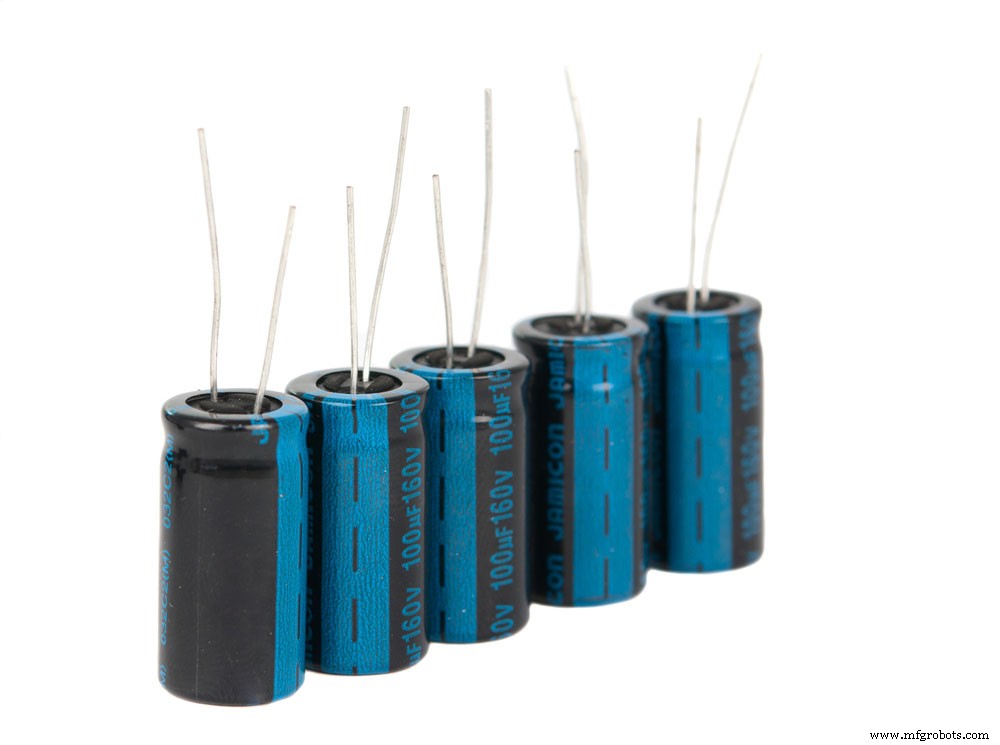
(Tantalum Capacitor Marking)
2.Capacitor Polarity Markings
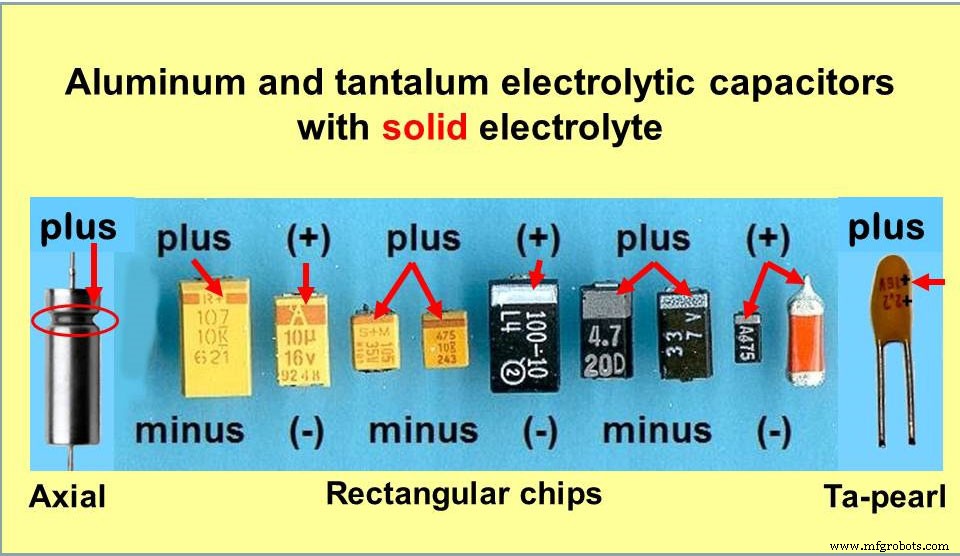
Polarized capacitors are capacitors with tantalum and aluminum electrolytes covered by an oxide layer. These capacitor types need polarity markings. If the capacitors do not have the markings, the component and the entire circuit board may damage. You can determine the polarity of a capacitor if it has signs like “+” and “-.” Many modern capacitors have the actual + and – characters. It makes it simple to determine the capacitor’s polarity.
Meanwhile, people use these electronic components in industries, including implantable medical electronics. A high-capacitance capacitor provides designers with a reliable and stable solution. Further, they first made a Solid Tantalum capacitor in 1950. It worked in addition as a dedicated low-voltage support capacitor.
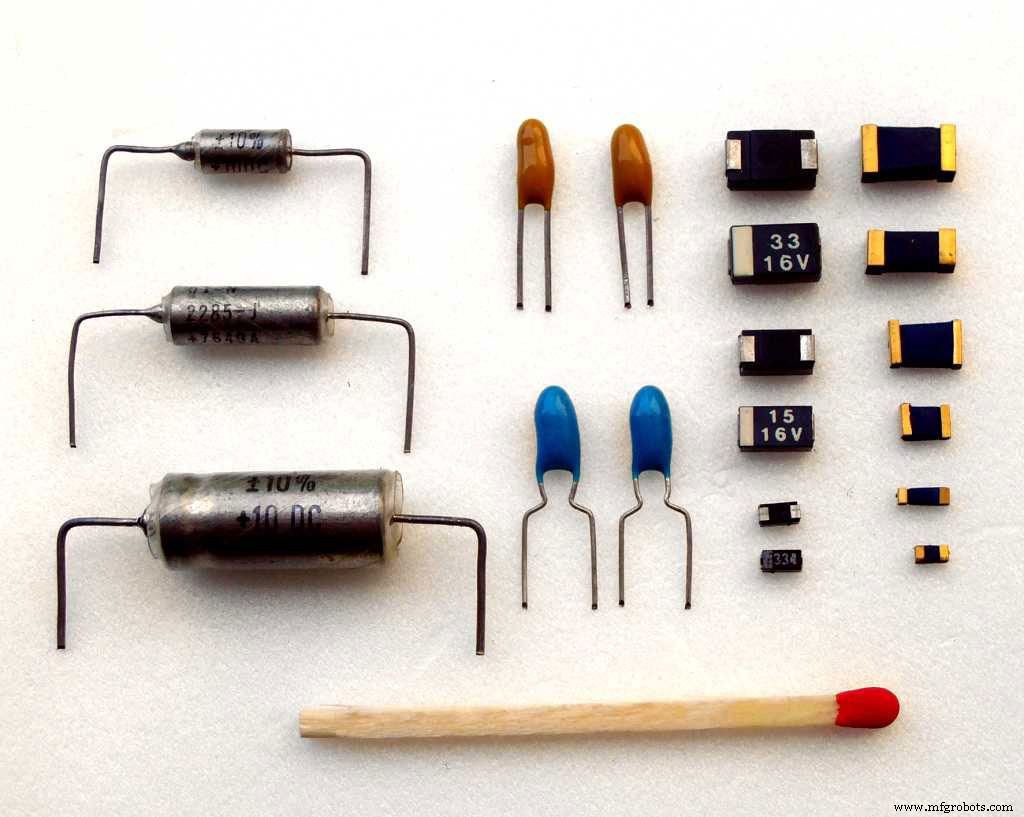
(Different types of tantalum capacitors)
Another method of marking polarized capacitors, particularly electrolytic capacitors, is to use stripes. In an electrolytic capacitor, a striped marking denotes a “negative lead.” A capacitor’s stripe marking can also have an arrow symbol pointing to the lead’s negative side. So, they do this when using an axial version capacitor with lead on both ends. The polarity markings on the capacitor choose the positive lead. They used it on a leaded titanium capacitor.
So, when you are about to confuse a tantalum capacitor with another, remember that the polarity stripe is at the positive end of electrolytes with a solid electrolyte. It includes almost all tantalums and solid aluminum capacitors.
(Identifying Tantalum Capacitors)
2.1 Tantalum Capacitor Marking– Other Facts About Capacitor Polarity Markings
- You can get the capacitance value and highest working voltage with two bands and a positive sign.
- Also, a capacitor failure mode has three categories. They are; High leakage, High Equivalent Series Resistance, and Low Capacitance.
- The voltage below the capacitance value is the highest working voltage.
- Lastly, the reverse voltage or wrong connection can destroy the capacitor.
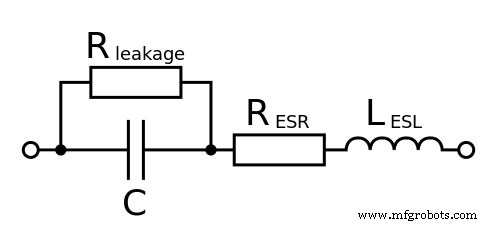
(Electrolytic capacitor model)
2.2 Markings for Different Types of Capacitors
There are different capacitor specifications. We can mark these capacitor types in various ways. We also have three styles of tantalum electrolytic capacitors, including a Tantalum chip capacitor. You can also make markings on the capacitor by printing on it.
Large capacitors like disc ceramics and film capacitors have their marks on the case. These huge capacitors provide adequate room for printed indications; This shows the ideal capacitor’s tolerance and other data like the ripple voltage. Find below a list of the popular types of capacitors.
- Aluminum Electrolytic capacitor.
- Leaded tantalum capacitor.
- Ceramic capacitor.
- SMD ceramic capacitor.
- SMD tantalum capacitor (Surface Mount Tantalum Capacitors).
- Polarized capacitor.
The capacitor codes used for different types of leaded capacitors are different. So, let’s take a look at them!
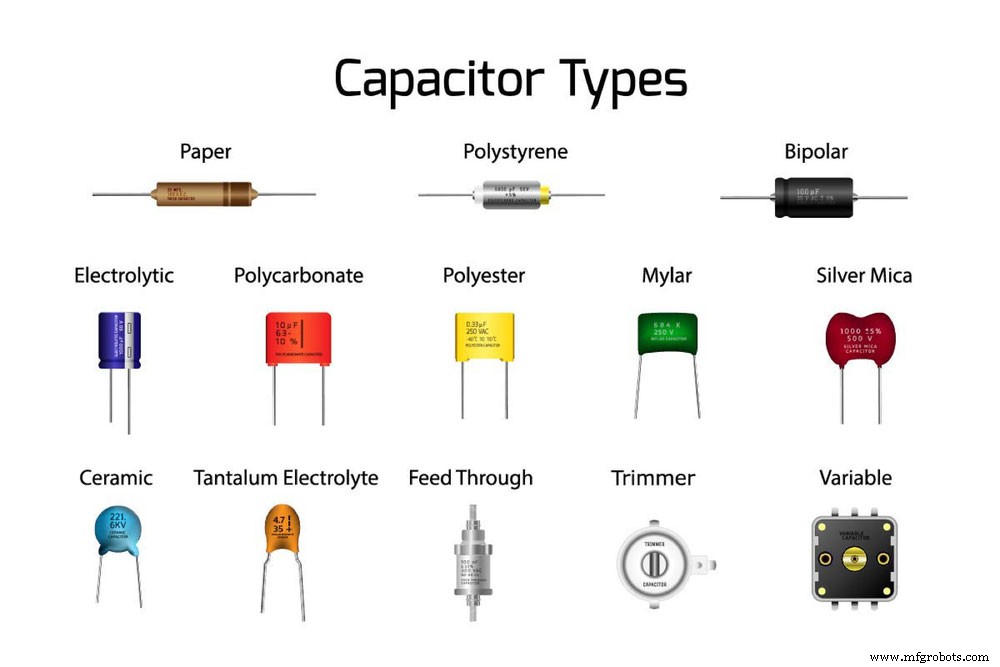
(Types of Capacitors)
Tantalum Capacitor Marking– Electrolytic Capacitor Markings
You can find an electrolytic capacitor in electronic components. However, these components come in valve metals with an outer plastic sheet. This type of capacitor also comes in different sizes and values. Both leaded tantalum capacitors and surface mount packages are available.
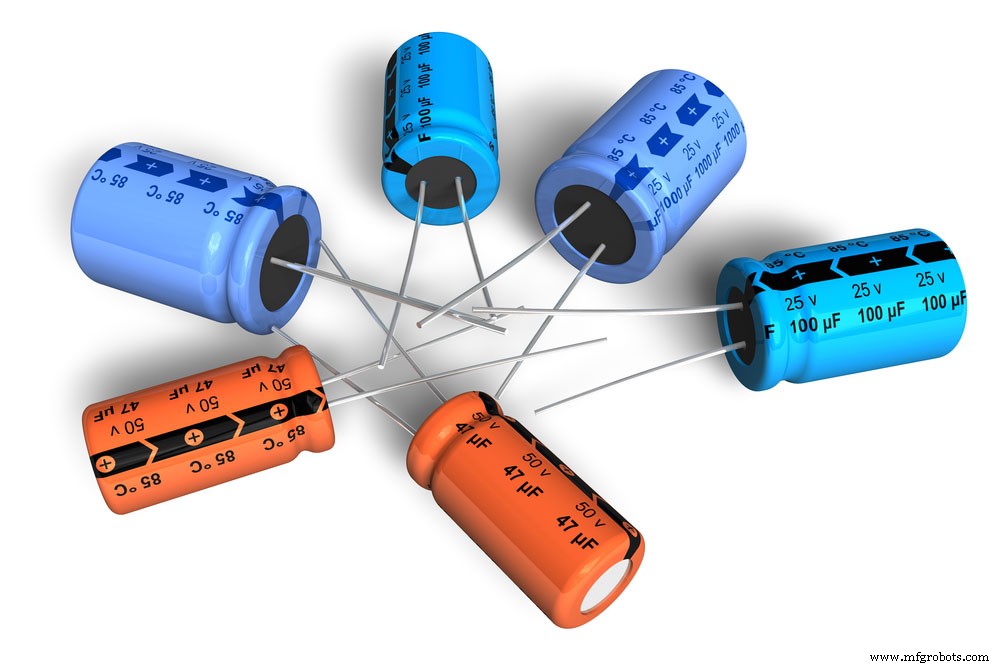
(Electrolytic Capacitors)
You should also know that you can’t find any electrolyte in a finished capacitor. A typical marking might look like this: 22F 50V. The value and working voltage are self-evident. Furthermore, the bar shows the negative terminal on the polarity.
Tantalum Capacitor Marking– Leaded Tantalum Capacitor Markings
The typical marking on an ideal capacitor can state values like 22μF and 6V. It is because capacitors have their microfarads values in μF.
So, when you see a voltage code like 22μF and 6V, it usually means that a capacitor of 22μF has a maximum voltage of 6V.
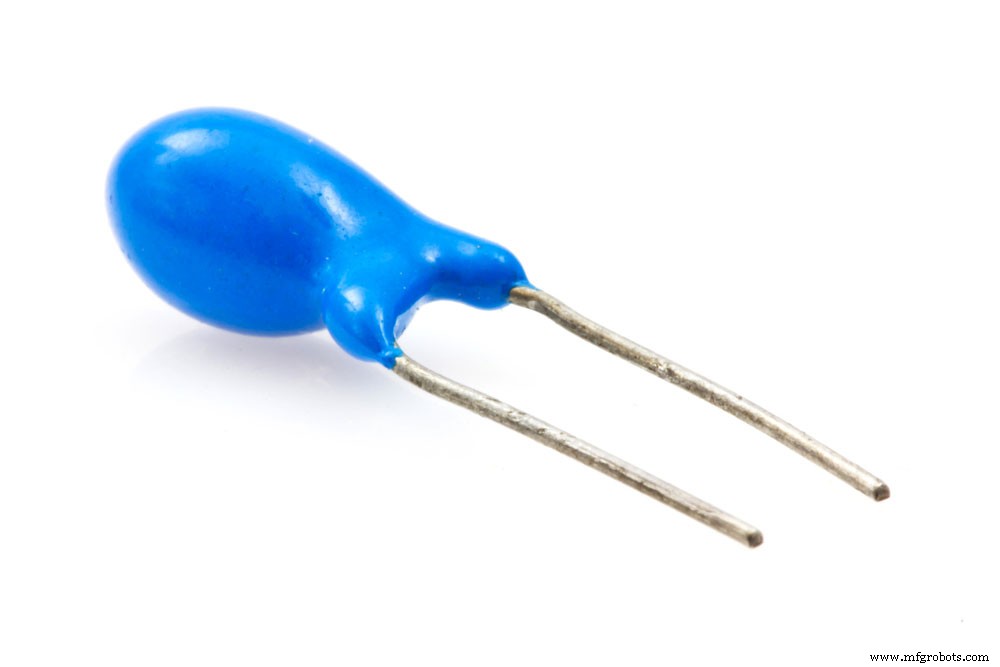
(Blue tantalum capacitor)
Tantalum Capacitor Marking– Ceramic Capacitor Markings
The ceramic capacitor is popular for its reliability and low current leakage. The direct current leakage also grades it.
(Ceramic Capacitor)
Generally, ceramic capacitors are smaller in size. Yet, you can use different strategies. The capacitor’s value is usually in “Picofarads.” Its markings are more precise than the tantalum marking. So, when you see figures like 10n, you know you’re looking at a 10nF capacitor.
Tantalum Capacitor Marking–SMD Ceramic Capacitor Code
Surface Mount Capacitors are small, with no sufficient space for marking, despite the capacitor manufacturer. The capacitor manufacturer has made this capacitor in such a way that markings are not necessary.
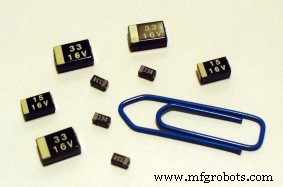
(capacitor)
Tantalum Capacitor Marking–SMD Tantalum Capacitor Markings
Like the SMD ceramic capacitor, this surface mount capacitor doesn’t have sufficient space for markings. Also, there are polarity marks in the tantalums. Although the most accessible marking for SMD tantalum capacitors is when the value shows.

(SMD Tantalum Capacitor)
3. Tantalum Capacitor Marking—Frequently Asked Questions
- What is surge voltage? It is the highest voltage applied to a capacitor for a short period in circuits to avoid a current spike or pulse currents. However, these circuits have small series resistance.
- What is reserve voltage? It is when the anode electrode voltage is negative. And this negativity is in comparison to the cathode voltage.
- When you apply reverse voltage, what happens to the tantalum capacitor? A reverse leakage current flows to the capacitor’s anode.
- What are the dielectrics that make up the tantalum or metallic capacitor? They are the Niobium Pentoxide, Tantalum pentoxide, and Manganese dioxide electrolyte.
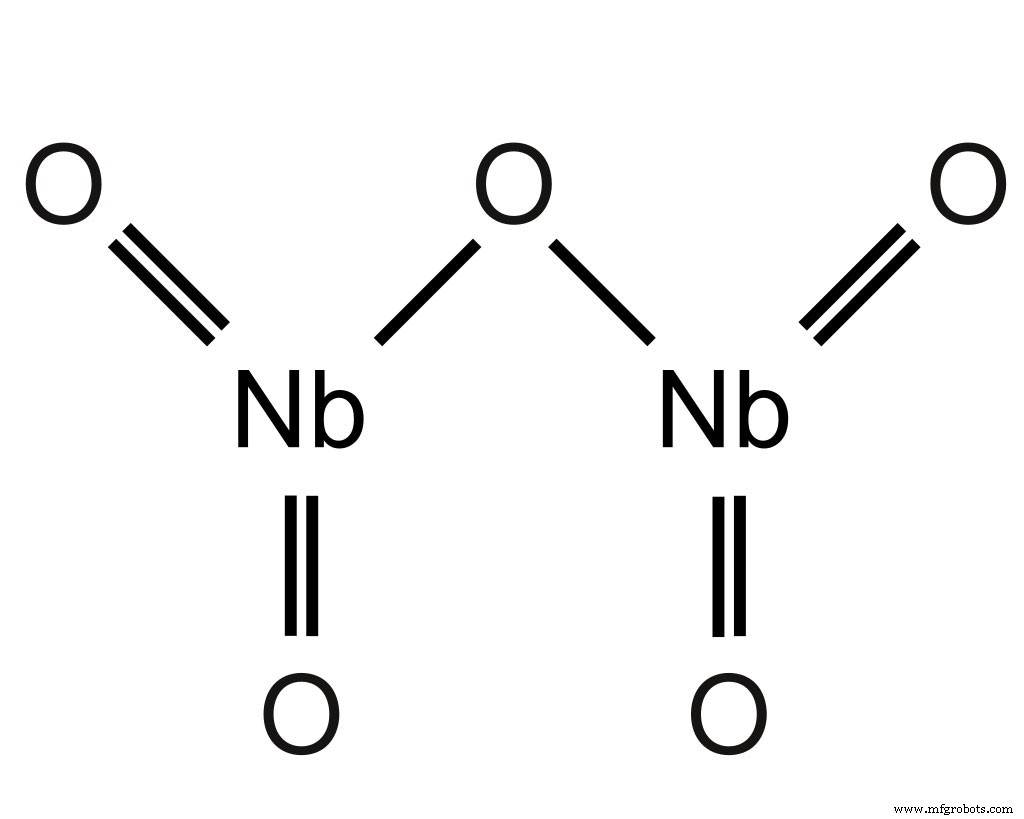
(Niobium pentoxide chemical composition structure)
- What is the difference between tantalum and ceramic capacitors? You can’t see the capacitance instability for the voltage in the tantalum capacitor. But the ceramic capacitor displays changes in capacity at an applied voltage. Still, designers trust the tantalum capacitors because of their reliable components.
- How can we identify a tantalum capacitor? You can locate the tantalum or metallic capacitor by finding the positive terminal. It is always marked.
- What is the relationship between Mn02 and polymer tantalum? They are two types of cathode materials. Additionally, part of the new polymer material’s industrial and consumer applications was to replace manganese dioxide in capacitors.
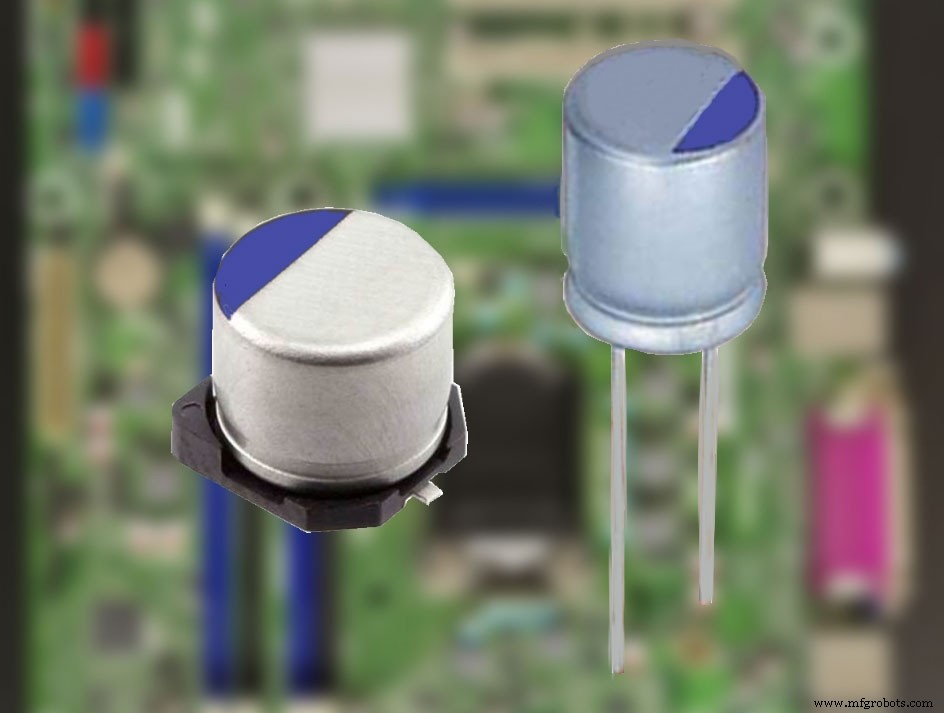
(polymer tantalum)
Conclusion
Understanding the various capacitor markings is relatively easy. Keep in mind that different capacitors have different coding. Moreover, with the explanations made, it should be easy to know every capacitor through its marking. You can always contact us if you have any further questions.
Industrial Technology
- Tantalum Capacitors: Key Characteristics & Applications
- Capacitor Types: Polarized, Non-Polarized, and Variable Explained
- Mastering CNC Fixturing: The 10 Essential Types Every Machinist Needs to Know
- Fillet vs Chamfer: Key Differences Every Designer Must Know
- MFD Capacitors Explained: Function, Benefits, and Selection Tips
- Capacitor Leakage Testers: Understanding Their Purpose and Operation
- IC 4060 Pinout & Functions Explained – A Comprehensive Guide
- Capacitor Film 101: Properties, Build, and Practical Applications
- Machining Tolerances Explained: Fundamentals, Types, and Why They Matter
- Springs 101: A Professional Guide to Types, Functions, and Applications