



Arc Flash Explained: Causes, Risks, and How to Protect Workers
According to the estimation by Bureau of Labor statistics, five to ten arc blast incidents occur every other day in the United States of America. Arc flash sprays molten metal droplets at very high speed to the people standing near the accident site. These drops are strong enough to pierce through the body. Similarly, the pressure can throw workers several feet away across the room.
Low energy arc flashes can be the reason for third-degree burns or the death of workers from injury. Moreover, it can cause permanent blindness, loss of hearing, heart issues, and nerve damages. Furthermore, severe burns can occur if you are standing 10 feet apart from the power systems. Then what is arch flash? Why does it cause such dangers? And how can we arrange the protective equipment accordingly?
What is an Arc Flash?
According to the National Fire Protection Association (NFPA) definition, arc flash is the wave of charged particles that travels through the air. To explain, the insulation between two charged metal conductors may become insufficient, and it cannot support the incoming voltage phase further. Due to this phenomenon, the air starts to ionize and gain energy. Hence, the electrical equipment starts producing arc flashes.
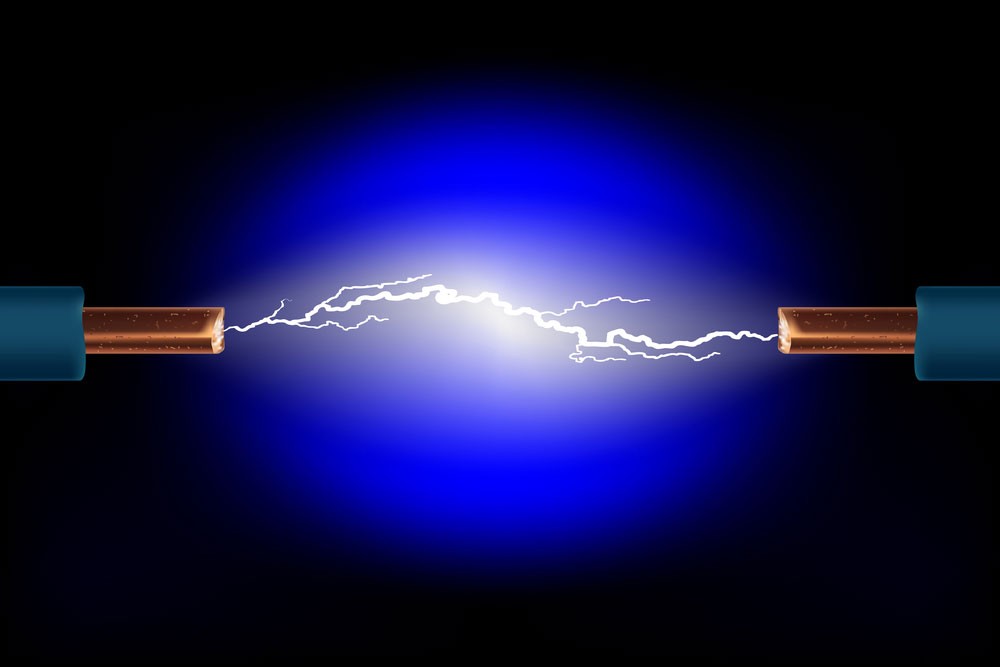
Even if the flash only retains for few seconds in the air, yet the damage it produces is massive. Each year, thousands of people come to burn centers to treat themselves from a fatal burn. Notice that people do not suffer electrocution, but burn injuries in these incidents. Thus, you can see, it is not vital to be in contact with the wrong surface. Instead, you only need to be within certain boundaries around the place of the incident.
The NFPA70E defines imaginary spheres or boundaries around an area. In these boundaries, you may get a 2nd-degree burn if there are any arc flash hazards. Notably, the electrical arcs can produce some of the extreme temperature pressure waves.
These waves could be around 19426°C, which is four times more than the temperature of the sun’s surface (4982°C). The standard also states that the incident energy level will also increase. Research also shows that the people who got burned in arc flash incidents were exposed to about 225 °C or greater temperature.
Types of Arc Flashes
In most calculations, the electricians may consider only two types of arc flashes. However, in actuality, there are four types,
- Open-air arc – one of the familiar arcs that the electrical consider during arc testing
- Arc-in-a-box – commonly used in Europe in arc testing
- Ejected arc – when the molten metal or plasma cause death to workers
- Tracking arc – the arc plasma that makes the conducting path through the skin. It usually forms on higher voltages.
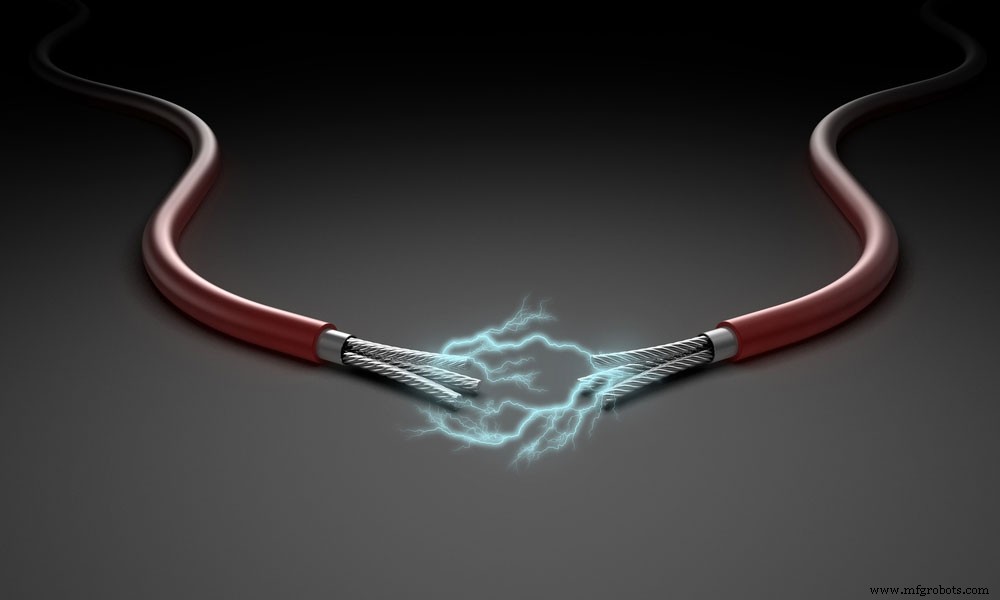
While calculating the arc flash intensity in the lab, you can control the movement of an open-air arc. But, if it is exposed to more than 480V, it can change into the tracking or ejected arc.
Cause of arc flashes
Many things can cause arc flash explosions to occur. It includes
- Handling the tools carelessly
- Dust particles
- Accidentally touching the surface
- Condense air
- Rust and corrosion
- Fault current from poor installations
- Low-quality material
Thus the potential arc flash hazards occur as the above factors may compromise the flash boundary distance. Also, if you forget to de-energize the electrical systems properly, it can lead to the risk of arc flash. Due to these factors, intense light and heat energy will cause the air to expand and result in a blast. This arc blast can be of very high air pressure.
Impact of arc flashes
According to Occupational Safety and Health standards, here are some typical risks of arc flash
- Burning of skin or clothes onto the skin
- Rapidly spreading fire across the buildings.
- Flying objects, usually molten plasma ball
- Blast pressure, more than 2000lbs. per square foot
- Sound energy blast of noise more than 140dB
- Radiant heat energy, more than 19426 °C
Preventive Measures to avoid Arc Flashes
Fortunately, with the help of suitable safety measures and protective equipment, you can minimize the hazards of arc flashes. Following are the few famous steps that you can adopt for worker safety as well.
De-energize electrical equipment
To prevent maximum damage from the arising fault current in an electrical circuit, de-energize the system carefully. Indeed, if there is zero energy in the strategies to support charged particles, it cannot support a surge of arc flashes.
If you need to reenergize the system or operate a circuit breaker, you should do it remotely. Thus as things go wrong, you are out of the risk boundary and maintaining enough distance to be safe from the blast injury.
Ensure safety if working “Hot”
In many cases, de-energizing the electrical system will not be a suitable act. Then as an employer, you must develop safety-related practices and enforce them in your company. Remember that you have to build the measures after hazard level assessment so that they are effective. Additionally, there shall be a consistency of nature in these safety-related work practices.
The electrical safety standards can include
- Insulation of tools
- Writing safety measures
- Briefing the job to upcoming employees
- Personalized protective equipment
- Work Permit to work with energized equipment
Opt for Flash Protection Equipment
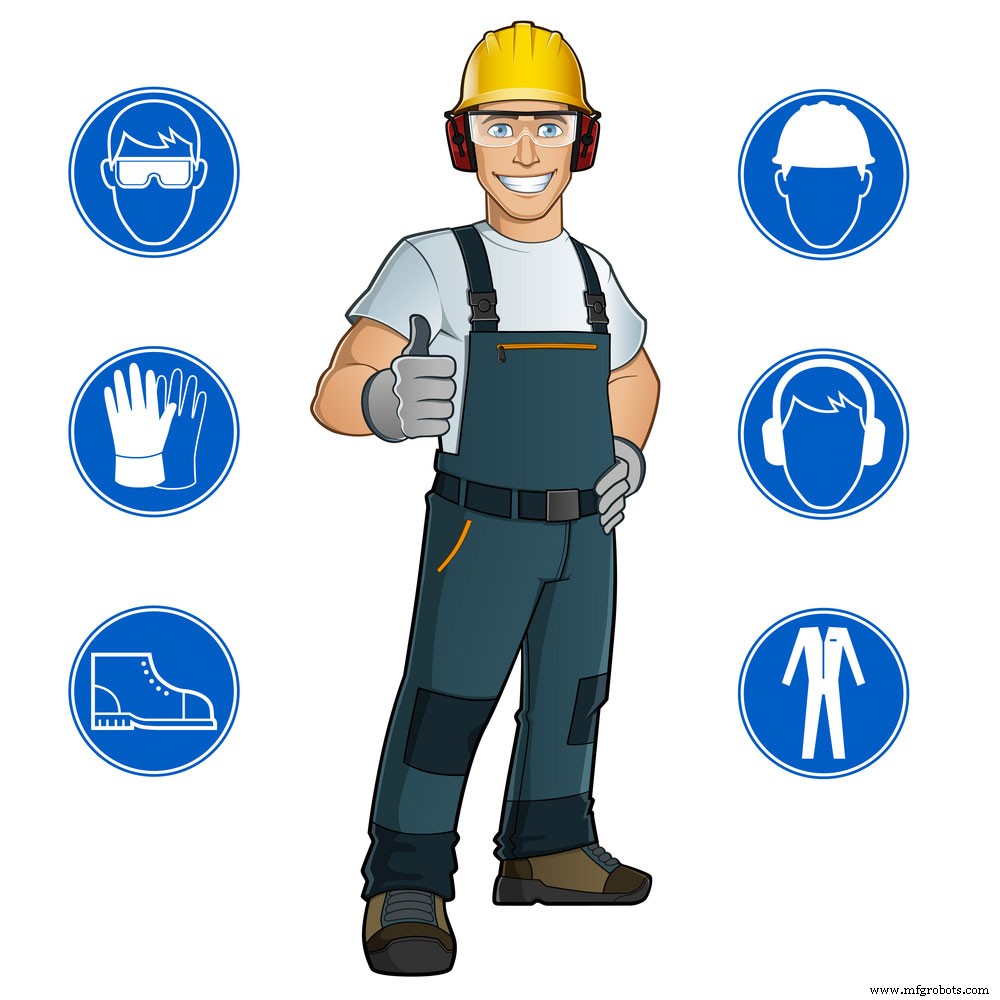
As there is an increase in awareness regarding the arc flashes dangers, companies are now coming up with new ideas for personal protective equipment (PPE). It includes suits, helmets, boots, gloves, and overalls made with good quality insulation material for electrical workers.
To measure the effectiveness of the material, manufacturers use arc rating. The arc rating is the value of maximum energy resistance the material shows before the arc breakthroughs it. The units of these ratings are calories/cm2.
You can select the appropriate PPE in two ways.
- Consult the hazard categories table -NFPA 70E. Table 130.7(C)(15)(a)- that describes the hazard level of each task and the type of PPE you should opt for.
- Calculate the hazard incident energy under particular circumstances and choose the PPE that can endure that energy.
Although PPE can provide maximum protection, it is always the best idea to reduce the severity of incidents through complete risk assessment.

Carry out an Arc Flash Analysis
To analyze the hazards of arc flashes, you can hire a professional engineer for arc flash risk assessment. For this process, the expert determines thermal incident energy at each point around the electrical plant. Then they will provide the analysis and recommend what type of PPE to wear on certain distances.
As part of risk analysis, the expert should also suggest the steps to reduce the arc flash hazard category. Keep in mind that the professional engineer you choose for the test should have a firm knowledge of short circuits, power quality, NFPA 70E, and IEEE 1584.
In NFPA 70E, the hazard risk categories are described as follows.
| Hazard Risk Category | Clothing | Incident Energy -calories/cm2 |
| 0 | Non-melting, non-flammable material (such as wool, untreated Cotton, rayon, or blend of these materials) with a fabric weight of at least 4.5 oz/yd2 | N/A |
| 1 | Fire-resistant shirts and pants with Fire-resistant overall | 4 |
| 2 | Cotton made underwear, conventional short sleeves, and brief, with Fire-resistant shirt and pants | 8 |
| 3 | Cotton made underwear with fire-resistant shirt and pants with Fire-resistant overall, OR Cotton made underwear with two Fire resistant overalls | 25 |
| 4 | Cotton made Underwear with Fire-resistant shirt and pants, plus multilayer flash suit | 40 |
| Extreme Danger | No PPE available | >40 |
Keep yourself at a safer distance
The NFPA has developed the distribution of hazard areas into arc flash boundaries to protect the employees near energized systems. The boundaries are:
- Flash Protection Boundary – the farthest boundary from the energy source. If the incident occurs, the employees in this area might be exposed to a second-degree burn, easily curable (1.2 calories/cm2). Here the main reason for the burns would be heat only that the blast generates.
- Limited Approach – the boundary, limited to a distance, where you are prone to shock hazard.
- Restricted Approach – the boundary limit at a distance where there is an increased risk of shock.
- Prohibited Approach – the distance closer to the live source, where the hazards are the same as making contact with the surface.
You have to create the exact distance boundaries around every energized source. However, the distance between each border may not be the same with the changing equipment. So, you have to test each category individually and then conclude results for a flash boundary.
-Picture-
Train the workers
Indeed, every organization must train its workers for electrical safety. Hence, for this purpose, you can design the programs based on requirements from electrical safety standards.
In the arc protection training, the trainees will get to know how to recognize hazard levels. Moreover, they will also learn about accident avoidance, reading the arc flash labels, and using PPE with care.
Interpret Arc Flashes Label
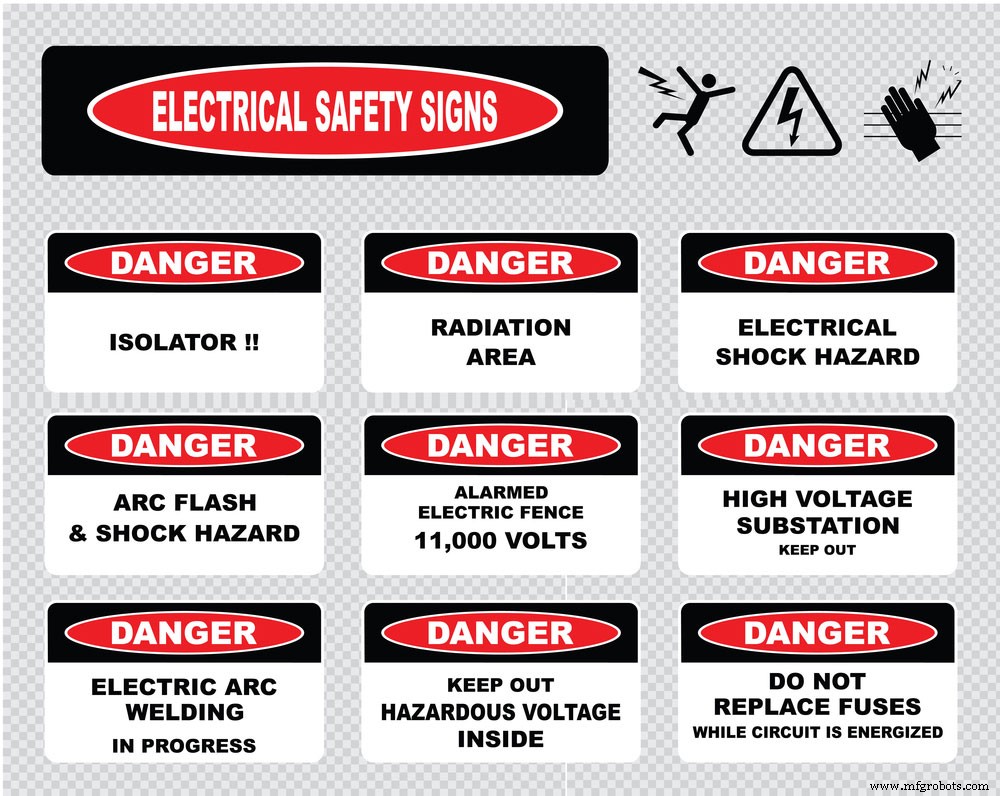
The National Electrical Code NEC requires that the equipment have warning labels to warn about any potential hazards. For this purpose, each panel must have its warning title to understand the flash boundaries. Similarly, they will get to know about selecting the PPE for each area.
As stated above, every type of equipment must undergo an evaluation to determine the boundaries. Once complete, you must place the hazard warning labels on the equipment. You can also hand them over to your employees to look into it whenever they start working on a new project.
Conduct Arc Flash Testing
You can perform arc flash testing to determine the response of protective material to thermal energy. In some situations, arc testing also evaluates how the material responds to specific energy surges and whether it ignites or not.
For the companies that manufacture PPE, it is essential to calculate the arc ratings with the methods in compliance with standards. The OSHA requires that all companies undergo arc flash testing to anticipate the hazard level and plan accordingly. Moreover, the standards strictly prohibit the use of melt-able material. Even if the companies use them in blends, they have to test them via arc flash testing to check that they meet minimum standards.
In addition to the above requirements, arc flash testing is necessary for every electrical worker potentially exposing themselves to incident energy of greater than 2 calories/cm2. Thus, you will have to opt for suitable safer choices of PPE for every situation.
Conclusion
Arc flash is a hazardous phenomenon that involves sudden heat bursts, flying metal droplets, and shock. Also, the level of exposure depends on the distance you maintain from the source. To avoid the repercussions, you can de-energize the system, perform hazard analysis and select the suitable PPE to wear.
Here at Cloom, we offer custom wiring assembly with attention to detail, so you don’t worry about the electrical conductors producing arc flashes. To avail of our services, contact us now.
Industrial Technology
- Understanding Proxy Servers: Definition, Functionality, and Key Benefits
- Haptics Explained: Definition, Benefits, and Real-World Applications
- Milling Explained: Definition, Process, and Key Operations
- Turning in Machining: Definition, Types, and Key Operations
- Drilling Explained: Definition, Process, and Expert Tips
- Powder Metallurgy Explained: Definition, Processes, and Benefits
- Welding Explained: Definition, Types, and Applications
- Understanding Wax Pattern Defects in Investment Casting: Causes & Prevention Strategies
- Preventive Maintenance Explained: Key Benefits for Asset Reliability
- Welding Explained: Definition, Processes, and Types