



Build Your Own LED Driver: Benefits, Safety Tips, and Step‑by‑Step Guide
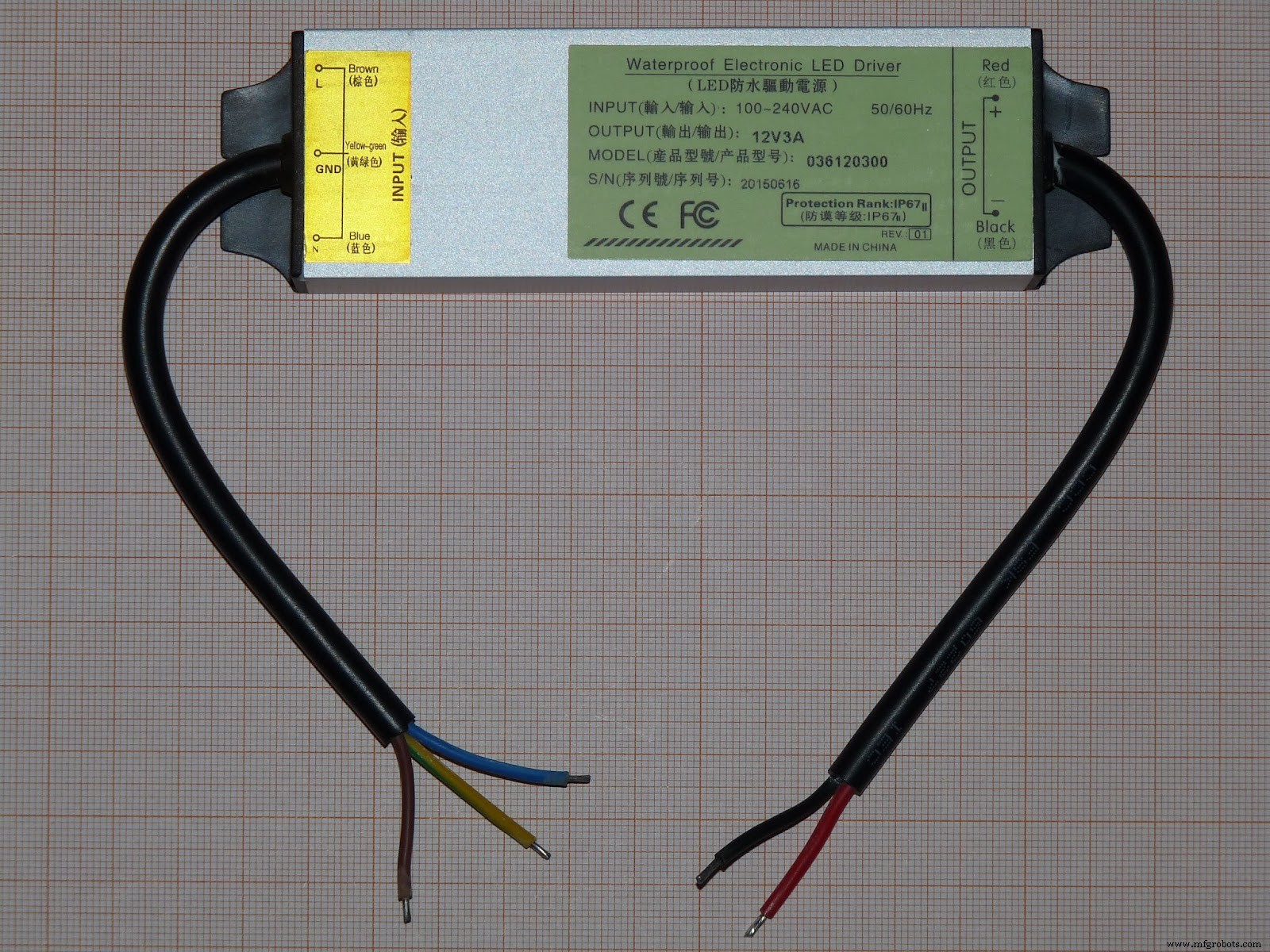
LED Driver
Source; Wikimedia Commons
Is it necessary to have a DIY LED Driver? Well, the answer to this question depends on your requirements. But you need this device if you want to correct direct current, higher voltage, maximum input voltage, or AC to low voltage.
Also, you need an LED driver if you want to protect your power LEDs from current drive instability. No doubt, you can create a DIY LED driver. But it’s vital always to consider compatibility. And it’s because an incompatible driver can damage your components or cause a failure.
How do you go about it? This article will dive deeper into the LED driver, things to consider before making one, detailed steps to build the project, etc.
Let’s begin!
What Is an LED Driver?
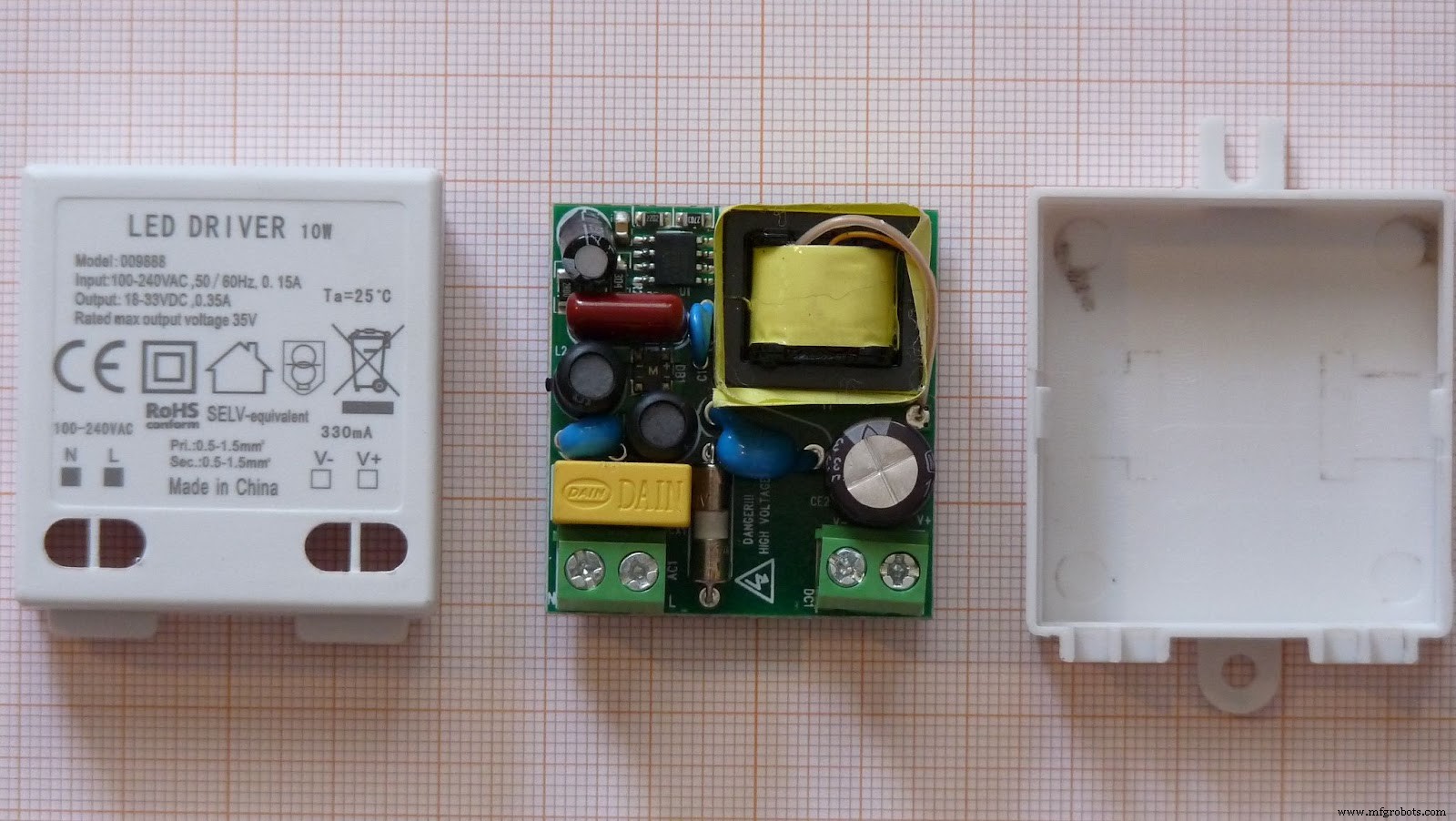
10 Watts LED Driver
Source: Wikimedia Commons
The LED driver is a device that drives the LED voltage converter by regulating the power supply to a precise voltage current. Most times, the LED current driver consists of the following input:
- High voltage power frequency AC
- Low voltage AC
- High-frequency AC
- Low voltage DC
- High voltage DC
Also, this device’s output comes with a constant current source that alters the driving voltage when the LED forward overhead voltage at 24v drop changes.
That said, the major components of the LED power supply include:
- MOSFET (switch component)
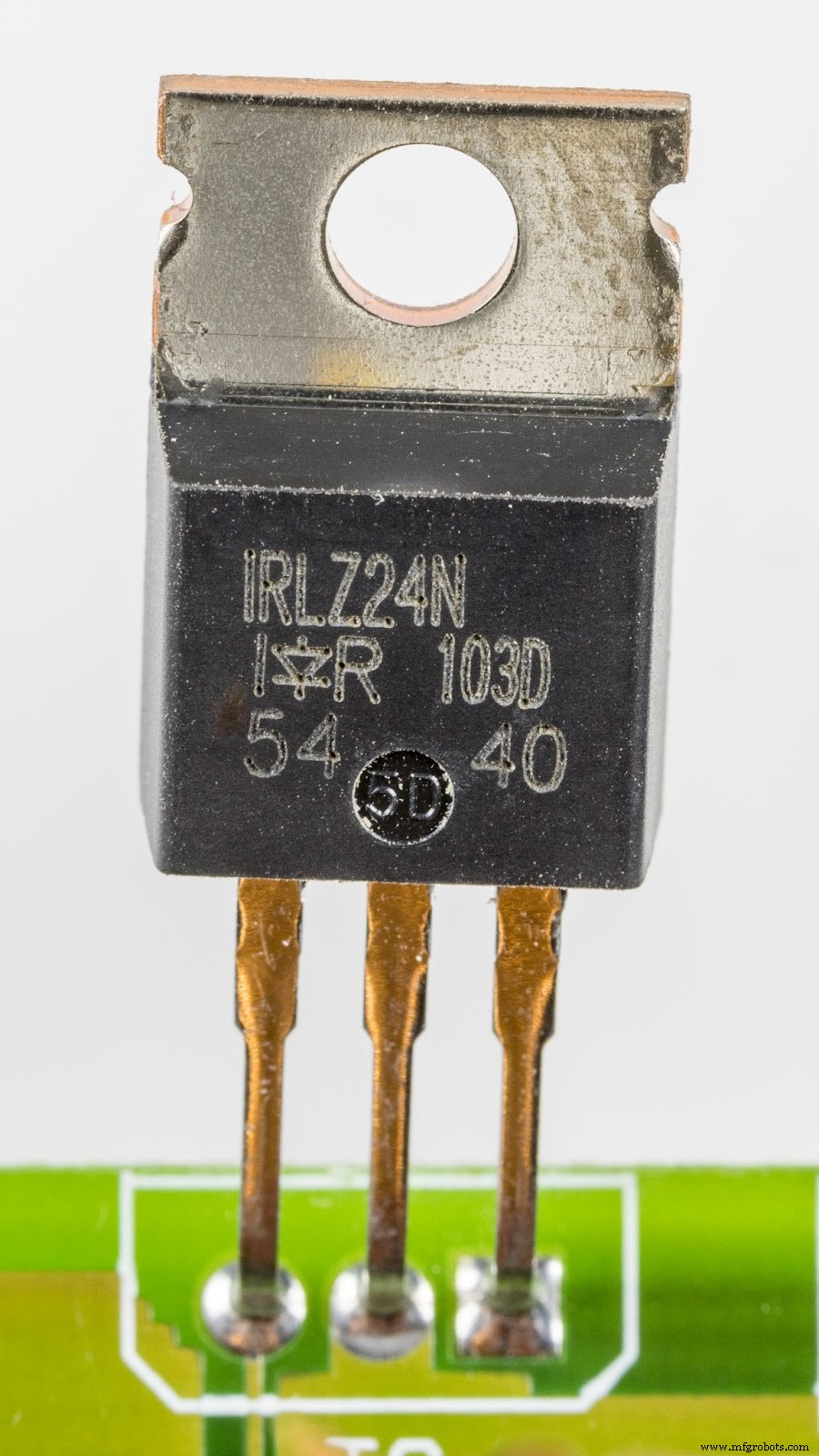
Mosfet Switch
Source: Wikiwand
- Output filter
- Inductor
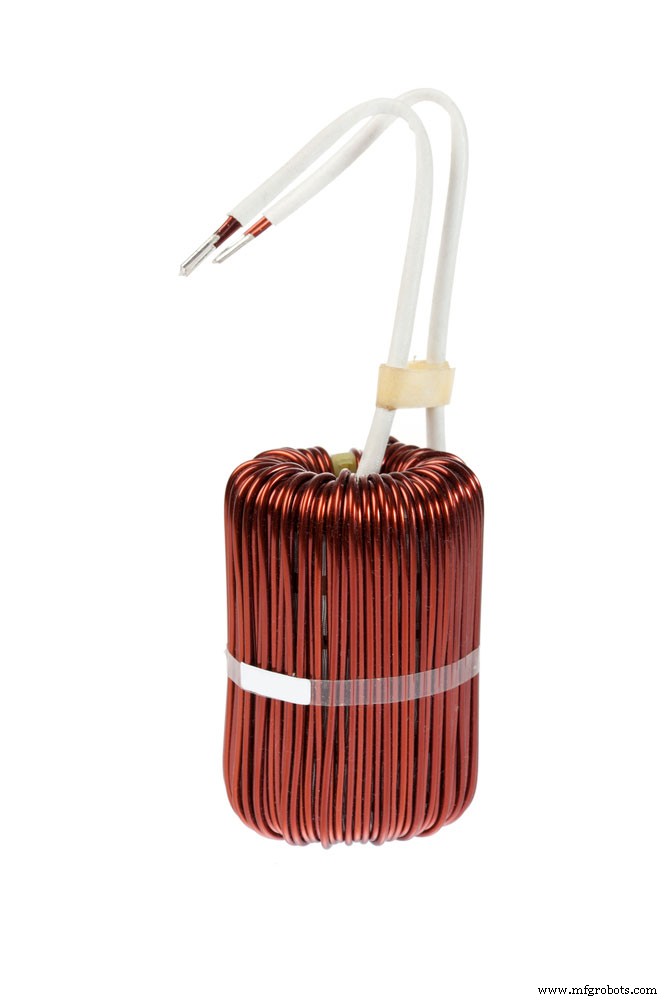
Close up of a large power inductor
- Input filter device
- Switch controller
- Feedback resistor
Further, based on the needs of different events, you must have LED open circuit protection, input over-voltage protection circuit, over-current protection, input under-voltage protection circuit, base voltage, etc.
What’s an LED driver circuit? It refers to an electrical device with a biased mode that controls the power of a string of LEDs.
And it responds when the needs of an LED circuit, watt LEDs, or high-power LEDs change by offering a constant amount of power to the LED as the electrical properties adjust with temperature.
What Are the Types of Led Drivers?
The design of each driver helps to operate LEDs with special electrical needs, massive power supply, etc. So, there’s no waste of power, and that’s why you have to take note of your old driver’s requirements before replacement. That said, here are the types of LED drivers:
Constant-Voltage
This driver is ideal for controlling LEDs that need a fixed minimum output voltage alongside a maximum output current. That said, internal constant-current drivers, simple resistors, or a variable resistor in the LED help maintain the current limit within the LED module.
So, the LEDs need about 12V or 24V DC (stable current).
Constant-Current
On the other hand, this driver helps control LEDs that need a fixed output current with excellent benefits alongside a range of voltages (output). As a result, the device will have only one specified output current (mA or A) with different voltages—based on the LED’s wattage.
AC LED Driver
The AC LED driver is a device that can’t technically operate incandescent bulbs or low-voltage halogen. That is, the device doesn’t have minimum load transformers. And LEDs don’t work with conventional transformers because they don’t recognize an LED’s low wattage.
In other words, regular transformers don’t register LEDs as wired bulbs. And it’s because LEDs have a minute electrical load. Hence, you can use this driver with bulbs and an internal driver that changes AC to DC.
After all, the driver’s work is to record an LED’s low wattage and step it down the bulb’s voltage needs (12VDC power supply or 24V).
Things to Consider Before Making an LED Driver
Before you build a DIY LED driver, it’s vital to take note of the following factors:
- Simplicity of design
- Insulation
- Cost
- Voltages (fixed output LED string voltage and input voltage range)
- Component count
- Cost
- Power factor correction (for only AC/DC drivers)
- Circuit size
How Do You Make an LED Driver Circuit?
LED Driver Circuit
Source: Wikimedia Commons
The whole idea behind this LED driver circuit is to show that you have enough current that can drive the LED. With that in mind, here’s a list of things you need for this project:
- 4.7V Zener Diode (1N4732A)(1/4 Watt)
- 390KW Resistor (1/4 Watt)
- 5mm LED (Red- Diffused)
- Bridge Rectifier (W10M)
- 25V / 47mF Polarized Capacitor
- 10W Resistor (1/4 Watt)
- 47mF / 25V Polarized Capacitor
- 2.2mF Polyester Film Capacitor (225J – 400V)
- 22KW Resistor (5 Watt)
- 4.7mF / 400V Polarized Capacitor
- 10KW Resistor (1/4 Watt)
Principle Behind the 230V LED Driver Circuit
The working principle of this device is to transform less power supply. Also, the AC capacitor (X-rated) provides a suitable amount of current by reducing supply. There’s also a line-to-line connection of capacitors with a design for high voltage.
So, the AC voltage helps to correct and regulate other parts of the circuits while the X-rated capacitor lessens only the current. Plus, the bridge rectifier changes the high voltage and low current DC to high voltage DC.
Then, the Zener Diode helps to convert the high voltage DC to low voltage DC. And the LED receives the low voltage and low current DC.
Steps to Design the LED Driver Circuit
1. Get your X-rated capacitor (2.2mF / 400V) and link it to the main supply. While you’re at it, ensure that your supply voltage is less than your capacitor. For instance, we used a 230V AC with a 400V capacitor.
2. Connect your 390KW in parallel. Plus, it’s vital to ensure that your connection with the capacitor enables discharge when you halt supply. Also, it would help if you had a fuse (10W resistor) between the supply and bridge rectifier.
3. Use your W10M to get a whole wave Bridge Rectifier that can take up to 1.5A of current. Then, use your polarized capacitor 4.7mF / 400V to filter the Rectifier’s output.
4. In this step, you have to limit the current by connecting the resistor in series 22KW (5W). And use your Zener Diode 4.7V (1N4732A) to control the Bridge Rectifier’s DC output. Then, the capacitor 47mF / 25V will filter the output and send it to the LED.
Final Words
By now, you’ll agree that you need LED drivers because it saves energy, retains function, and save you money in the long run. And creating a DIY LED driver is a fun project to do as long as you have a goal in mind and work with suitable materials.
What do you think about LED drivers? Have you built the LED driver circuit? Please feel free to contact us.
Industrial Technology
- Remote Commissioning: Unlocking Efficiency and Flexibility in Industrial Operations
- Downtime Tracking Software: Boost Manufacturing Efficiency & Cut Costs
- Tachometer Circuit Explained: Function, Design, and Build Guide
- Build Your Own Thermoelectric Generator: How It Works & DIY Guide
- How to Build an RGB LED Controller Circuit: Principles & DIY Guide
- DIY LED Heat Sink: Build a Professional-Grade Cooling Solution
- Arduino Battery Capacity Tester: Verify Real Power, Detect Counterfeit Cells
- Choosing the Perfect Motor Driver: A Comprehensive Guide
- The Ironworker Machine: Essential Tool for Modern Fabrication
- Understanding Flow Profiles: How to Build and Use Them for Optimal Compressor Performance