



Understanding RJ45 Connector Types: Key Differences & Uses
Like the Azure sphere, RJ45 connector types contribute so much to the growth of IoT. However, it’s tough to differentiate between various RJ45 connector types.
Thus, this article will assist you in understanding the distinctions, applications, and numerous kinds.
What is the RJ45 Connector?
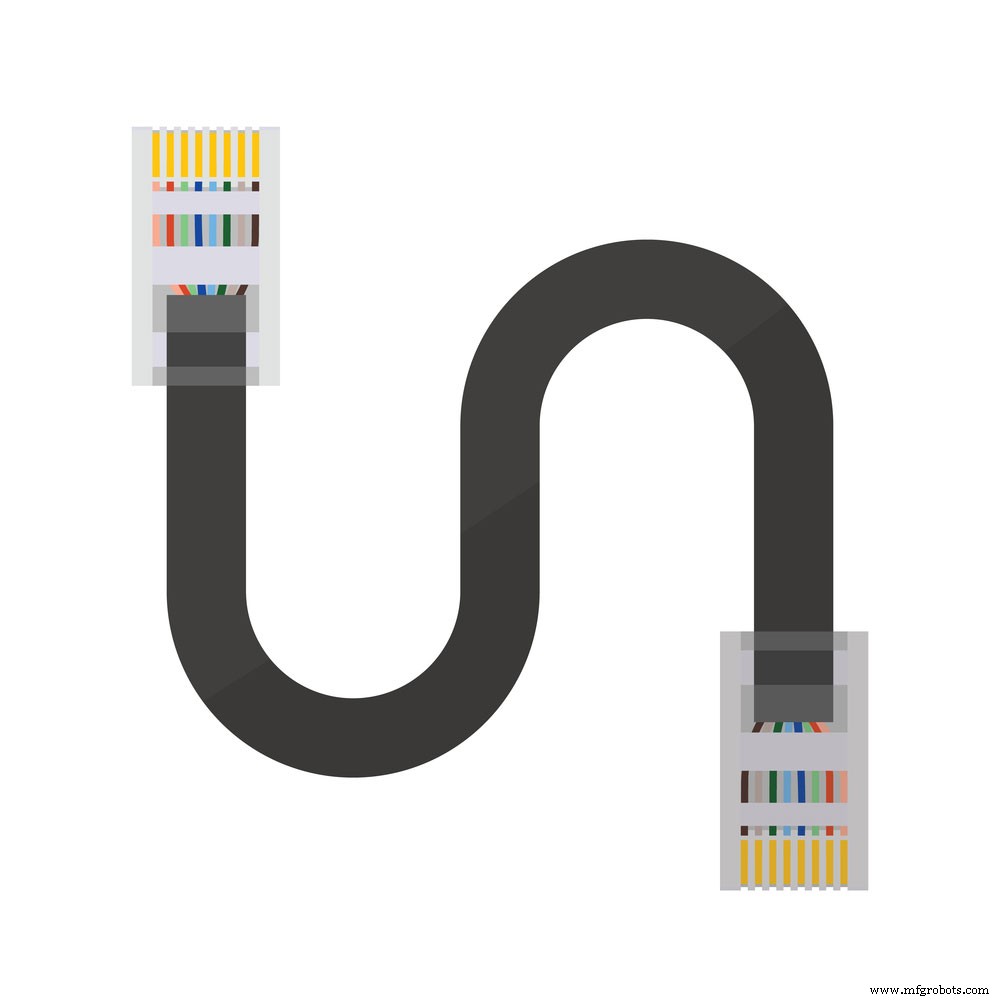
RJ45 Connector Type B
RJ45 is a standard connector interface between a computer and a local area network via a wired ethernet cable.
The Federal Communications Commission classified the numerous connections produced using this technique into the Registered Jack (RJ) system in 1976. Thus, this gave rise to the RJ brand name.
The RJ system specifies the physical connection, wiring layouts, and signal characteristics.
How to Identify RJ45 Interface Color Code?
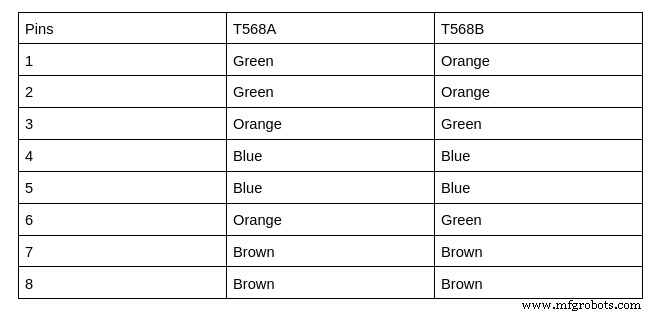
T568A and T568B are the most often used color designations. The main difference between T568A and T568B is an interchange between green and orange wires.
In brief, these designations specify how the individual eight individual wires of RJ45 pinouts align during termination. These lines have different color conventions to conform to during cabling for compatibility.
RJ45 Features and Capabilities
These include cost-effectiveness, electromagnetic interference shielding, solderless wire connection, quick insertion and removal, and customizable networking cables.
RJ45 connectors can face any direction, making them suitable for various applications. Also, they can provide hardware and connection protection, greater individual shielding and current protection, and various mounting options.
Types of RJ45 Connectors
- Standard: This non-shielded RJ45 connector comes with eight positions and eight connections.
- Shielded: Also known as RJ48, these connectors feature a metallic strain relief. Thus, this enables efficient cable retention. Besides, they allow a 360° shielding contact.
- Ruggedized: These physical connectors consist of several external parts for protecting the devices from harsh environments. Besides, you can refer to them as Hi-Rel, which means high reliability.
- 10 Pin RJ45: A 10-pin connector that you can use where you need serial lines, as is the case with a T1 line.
- Miniaturized: This is a smaller and more robust version of the standard RJ45 ethernet connector. It’s about 70% in size, and it helps designers who find the standard RJ45 connector to be limiting in design.
- Female RJ45 Connectors (RJ45 Socket): This is a socket designed so that you can insert the male RJ45 plug. Besides, you can refer to them as the female RJ45 socket or the RJ45 female jack. You’ll find them on panel and wall installations.
- Male RJ45 Connectors (RJ45 Plug): These are plug-in components that you’ll find at the ends of an ethernet cable. Designers usually make them from clear, grey, black, or white plastic. Sometimes, they shield them using metal cases. This minimizes the dangers of EMI interference, thus improving the stability and quality of the transmitted signal.
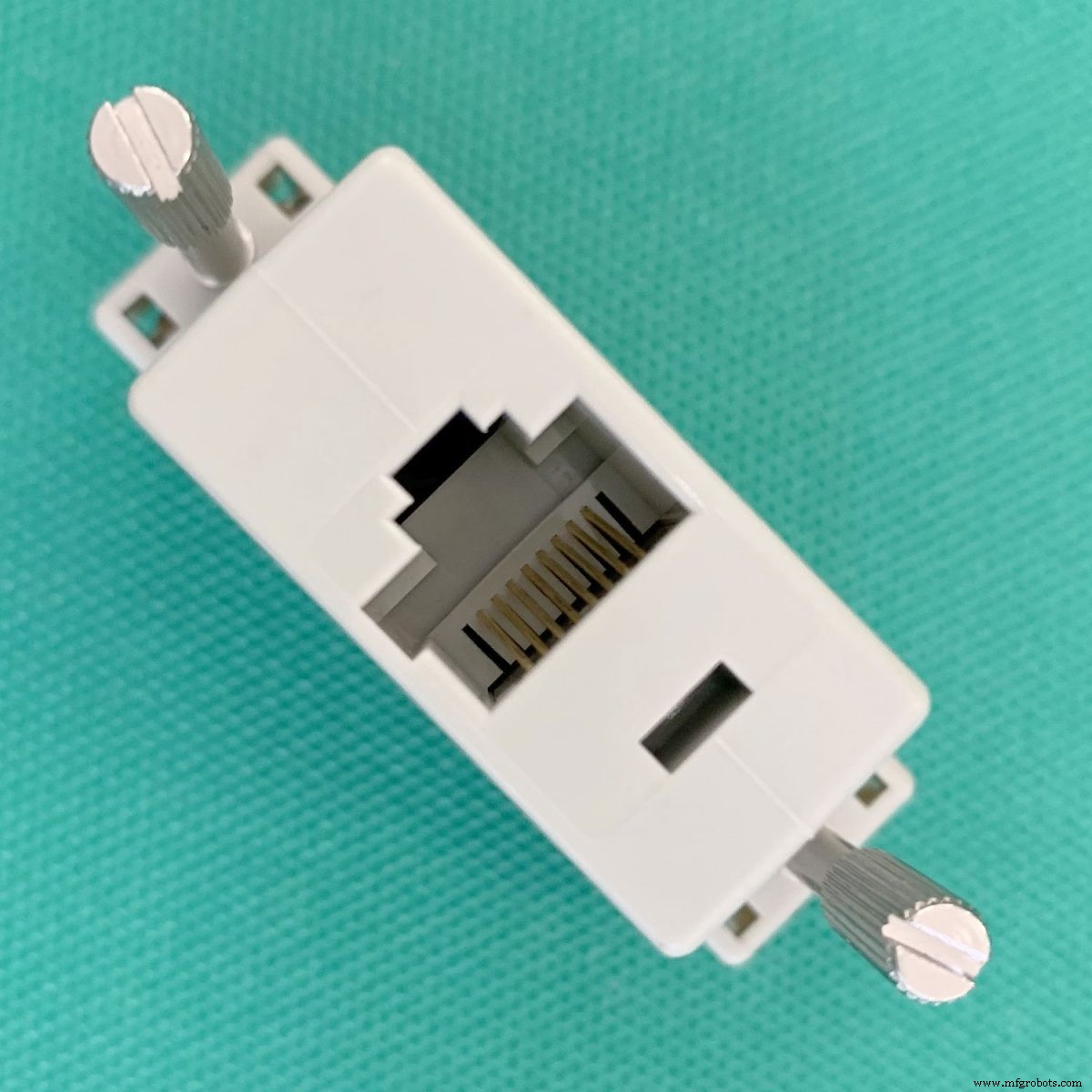
Female RJ45 Connector
Source: Wikimedia Commons
Wiring an RJ45 Connector
To wire RJ45, you will need an Ethernet cable, a crimping tool, an RJ45 connection, and a cable tester. The diagram below shows how you should arrange the wires:
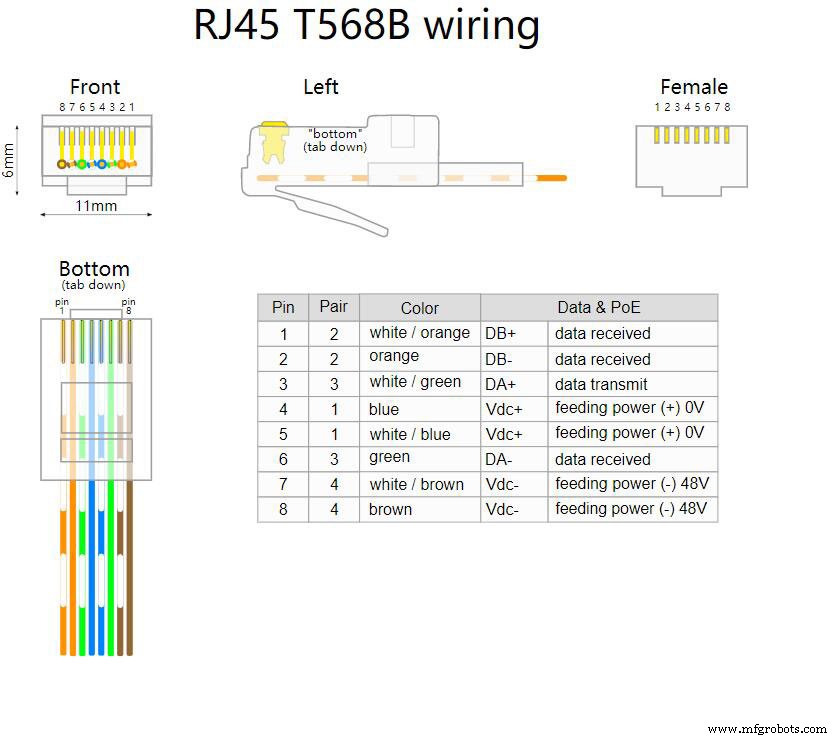
RJ45 T568B Connection Wiring
Source: Wikimedia Commons
RJ45 Technical Specifics/Board Layout Considerations
When setting and assembling RJ45 connections, there are a few factors to consider in terms of board architecture and characteristics.
Consider factors such as signal integrity and whether or not the RJ45 connections have inbuilt magnetics for electromagnetic interference reduction. Also, look at the actual positioning of the connectors.
RJ45 Connector Applications
RJ45 finds use in designing and assembling Ethernet connections between devices with different CAT ethernet network cables. These include CAT5, CAT5E, CAT6, CAT6E, and CAT7.
It offers a wide range of applications, including:
- Using Ethernet Modem cable connections to link devices
- IoT and VOIP systems.
- It’s used in industries involved in fabrication and assembly
- Quality control systems.

Vector Description of IoT (Internet of Things)
Conclusion
In brief, that’s about the RJ45 connector types, applications, and the wiring process. Also, if you have any questions, feel free to ask us on our website.
Industrial Technology
- Laser Engraving Explained: Cutting, Concave, and Convex Techniques
- A Comprehensive Guide to Gear Types in Mechanical Engineering
- Arduino Boards Explained: A Complete Guide to Choosing the Right Model
- Potentiometer Types Explained: A Complete Guide
- Inductor Types Explained: A Comprehensive Guide
- Complete Guide to RJ45 Connector Pinouts – Pin Configuration, Wiring, and Applications
- Essential Guide to Battery Types for Electronics Projects
- Transistor Types Explained: Your Complete Reference
- A Complete Guide to Filter Types in Signal Processing
- Understanding the MAX3232: Pinout, Features, and Applications – A Complete Guide