



Switching to Additive Polymers: 4 Key Questions to Ensure Material Success
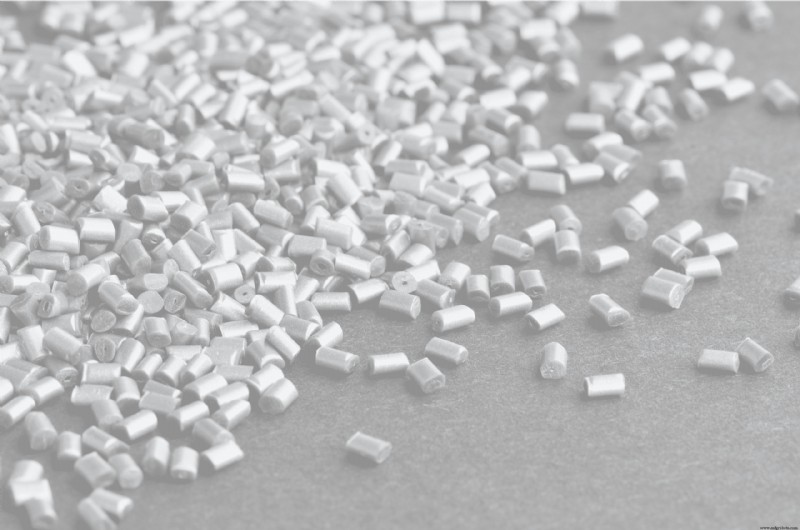
One of the most common questions we get from customers looking to making an existing part with additive manufacturing is, “What’s the comparable additive material I can use to make sure my part will turn out the same?”
In some cases, material selection can be relatively straightforward. Polyamide 12 (PA 12), for example, is used in injection molding and additive manufacturing, producing a virtually identical mechanical response with each technology.
Other additive polymers may be less familiar, at least in part because they were created specifically for industrial-grade 3D printing. Carbon®, for example, developed its elastomeric polymers (EPU 40 and 41) to enable unique mechanical responses particularly well suited to compliant lattice designs. These polymers aren’t a one-to-one equivalent to a specific traditional material. However, their modulus, strength, elongation, and maximum use temperature make them fitting replacements for various rubbers and elastomers in applications like foam replacement, gaskets, seals, or covers.
Additive manufacturing capabilities are constantly expanding, with new materials and production technologies coming to market at a dizzying pace. Here at Fast Radius, we’ve evaluated hundreds of materials for thousands of applications across industries as varied as medical devices, aerospace, automotive, consumer products, and industrial machinery. We’ve additively manufactured end-use parts that meet countless physical, aesthetic, regulatory and mechanical specifications.
Based on our experience, we created a simple framework to help you identify additive polymers that can effectively replace the legacy materials you’ve been using. Defining your needs in terms of the four questions below will help identify the materials that could work for your application. Armed with this knowledge, an expert additive solutions provider like Fast Radius can guide you through a more granular analysis to choose an appropriate production-grade material.

Want to learn more about additive materials? Download our white paper, “The Fast Radius Guide to Additive Polymers.” You can also connect with our additive experts to discuss your application in detail.
Ready to make your parts with Fast Radius?
Start your quoteIndustrial Technology
- Master Polymer 3D Printing: Latest Technologies, Innovations & Applications in 2021
- Metal Additive Manufacturing: Key Insights for Modern Production
- Defending Your Business from Cyber Attacks: Essential Steps You Must Follow
- Key Questions to Consider Before Replacing Your Switchgear
- Shore Hardness Demystified: A Complete Guide for Engineers & Designers
- Understanding Material Hardness: Key Insights for Project Success
- Additive Manufacturing: 5 Essential Insights into 3D Printing for Business Leaders
- Mastering Polymer Additive Technologies: A Practical Guide
- Four Essential Additive Manufacturing Applications for Modern Industry
- Additive Manufacturing & 3D Printing Explained: Key Insights & Applications