



Process Quality Management Beats the Rule of Ten
The quality of the goods you produce hinges on the integrity of your manufacturing processes. When a process fails to meet rigorous standards, the resulting product is compromised—an unacceptable outcome in safety‑critical sectors such as aviation and automotive. For instance, an aircraft frame comprises thousands of joints, each requiring a dedicated tightening operation. Every tightening is meticulously logged and archived, so that, even years later, the company can prove compliance in the event of a liability claim.
Quality problems must be caught early
Late detection not only escalates repair costs but also erodes customer trust. The industry mantra, the “rule of ten,” illustrates that fixing a defect in the earliest stage is roughly ten times faster and cheaper than addressing it later in the value chain.
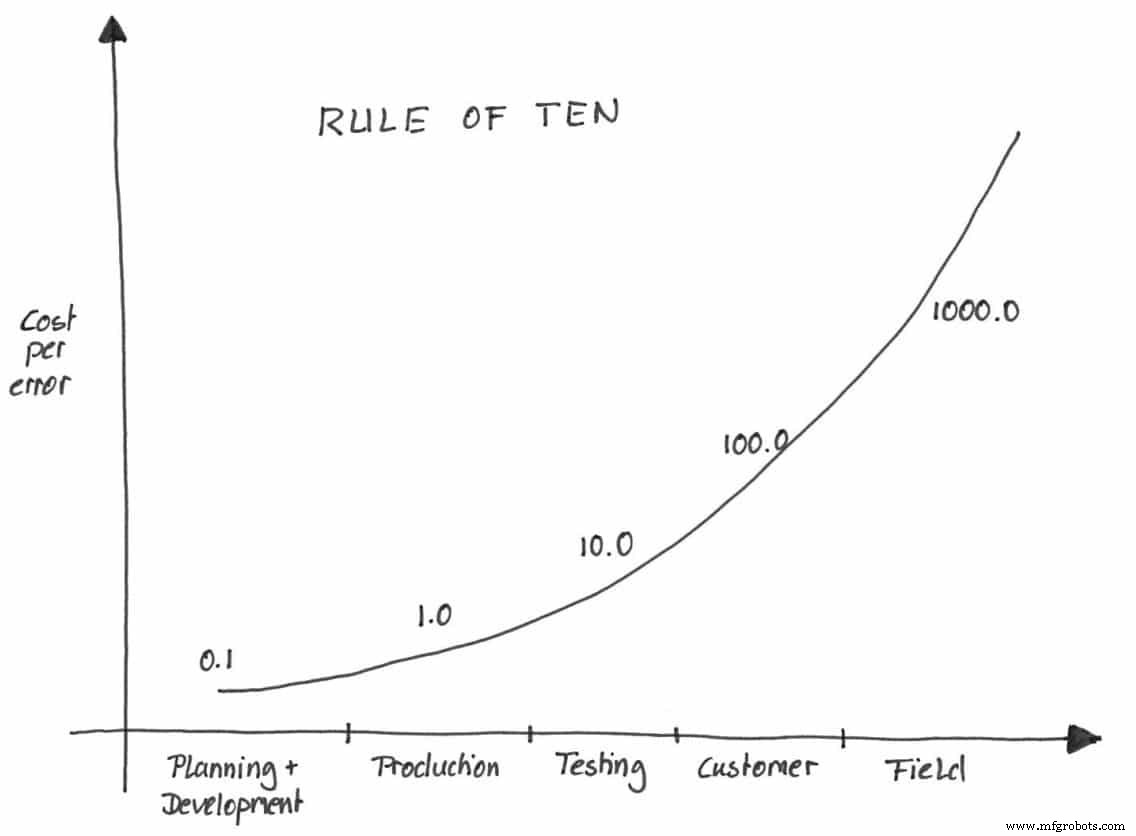
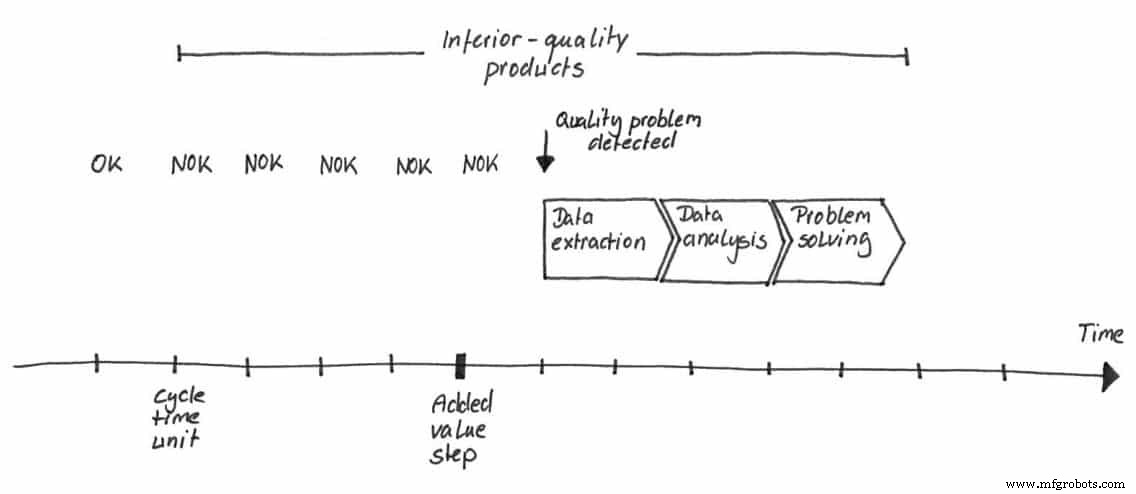
At each step of the value chain, correcting a defect is about ten times quicker and less costly than doing so in the subsequent phase. Problems that slip through early production checks often go unnoticed until a downstream quality audit flags an issue, by which time the plant has already churned out sub‑standard units.
Once a flaw surfaces, engineers must pinpoint its origin as swiftly as possible. Because process data is routinely logged, they can extract and analyze it from the database. Depending on data volume and how precisely the fault window can be identified, the root‑cause hunt can be laborious. Until resolution, the company faces three options: halt production, implement a temporary workaround, or tolerate the lower‑quality output.
The Industrial Internet accelerates reaction times in process quality management
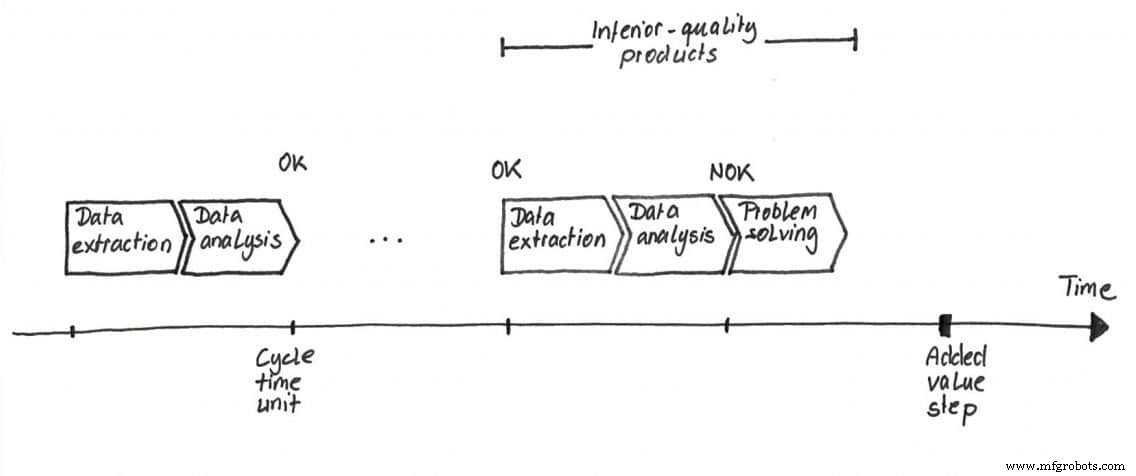
Continuous virtualization lets firms acquire process‑quality data in real time, convert it into actionable insights, and deliver it exactly where it’s needed on the shop floor. Software now enables monitoring of process quality at runtime, so that a defect is flagged the moment it occurs. If an issue is detected, troubleshooting can commence immediately, dramatically reducing downtime and preventing downstream units from escaping the line with sub‑par quality.
Is process quality management worth the investment?
Yes—especially when products are high‑value or the manufacturing cycle is short. A single defective unit can represent a huge monetary loss in high‑priced markets, while frequent defects inflate costs in fast‑turnover environments. Process‑quality management cuts the time from detection to resolution, allowing the plant to return quickly to its normal output level and preventing further defects.
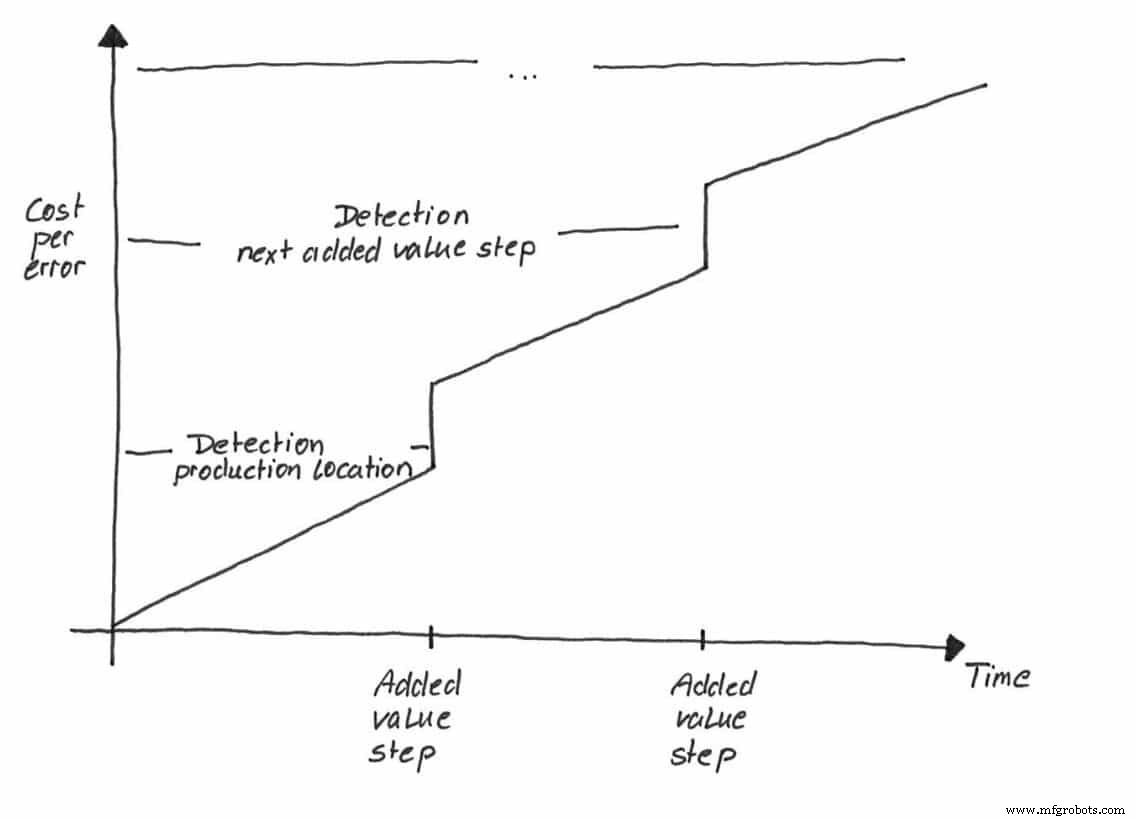
In effect, the investment pays off when the cost of inferior products outweighs the upfront and operational expenses of a quality‑monitoring solution. The accompanying curve demonstrates how error costs rise over time, with the stepped increases reflecting the rule of ten. By catching defects instantly, the plant can achieve zero defects and keep costs under control.
The product of the future is transparent
Even with a fully optimized production line, manufacturers must embrace transparency to sustain or grow market share. As virtualization spreads across production landscapes, data can be captured at any moment and from any location. This enables end‑to‑end visibility of product information throughout its lifecycle and allows all stakeholders to access it instantly. Consequently, suppliers may be required to provide detailed quality data for every component, ensuring that only high‑class parts enter the assembly stream. Yet, before cross‑chain data sharing becomes commonplace, robust process‑quality management remains essential for continuous improvement.
Industrial Technology
- Quick Guide: Master ISO 9001's Process Approach in 5 Minutes
- Powering the Future: Innovative Energy Management for Manufacturers
- Four Critical Quality Management Challenges Every Manufacturer Must Address
- Enhancing Process Management in the Chemical Industry: The Need for Advanced Technology
- Transforming Process Industry Operations: Digital Management for Safety and Efficiency
- How Mitutoyo’s MeasurLink® Drives Real-Time Data Excellence in Brake Manufacturing
- Mastering Logistics Management: Your Complete, Proven Blueprint
- Mastering Inventory Management: Proven Strategies for Every Business
- Keeping Quality Documentation Current: Why Regular Updates Matter
- The Modern Manufacturing Process: Key Techniques and Innovations