



Data: The Invisible Raw Material Powering Industry 4.0
In the era of Industry 4.0, a single intangible asset has become the most valuable raw material: data. Unlike steel or plastic, these streams of information—generated by sensors, RFID tags, and connected machines—fuel continuous process improvement and underpin emerging business models. The shift is already reshaping German and global economies.
While much of the hype around Industry 4.0 centers on hardware—smartphones, tablets, high‑performance computers, massive storage, sensors, RFID and wireless links—true competitive advantage comes from harnessing the data that flows through these components. Bosch, operating more than 250 plants worldwide, exemplifies this approach. By leveraging its data infrastructure across divisions such as Bosch Rexroth, Bosch Packaging Technology, and Bosch.IO, the company not only boosts its own performance but also offers customers the same insights.
Data is the cornerstone of the industrial revolution. Sensors now record everything from process times and wear rates to oil‑pressure variations, tool torque during tightening, and the status of individual parts in hydraulic valves. This deluge of information becomes a new raw material that, when processed with advanced algorithms, reveals hidden correlations. The key is expertise that bridges data science, manufacturing, and product knowledge.
Source: Bosch
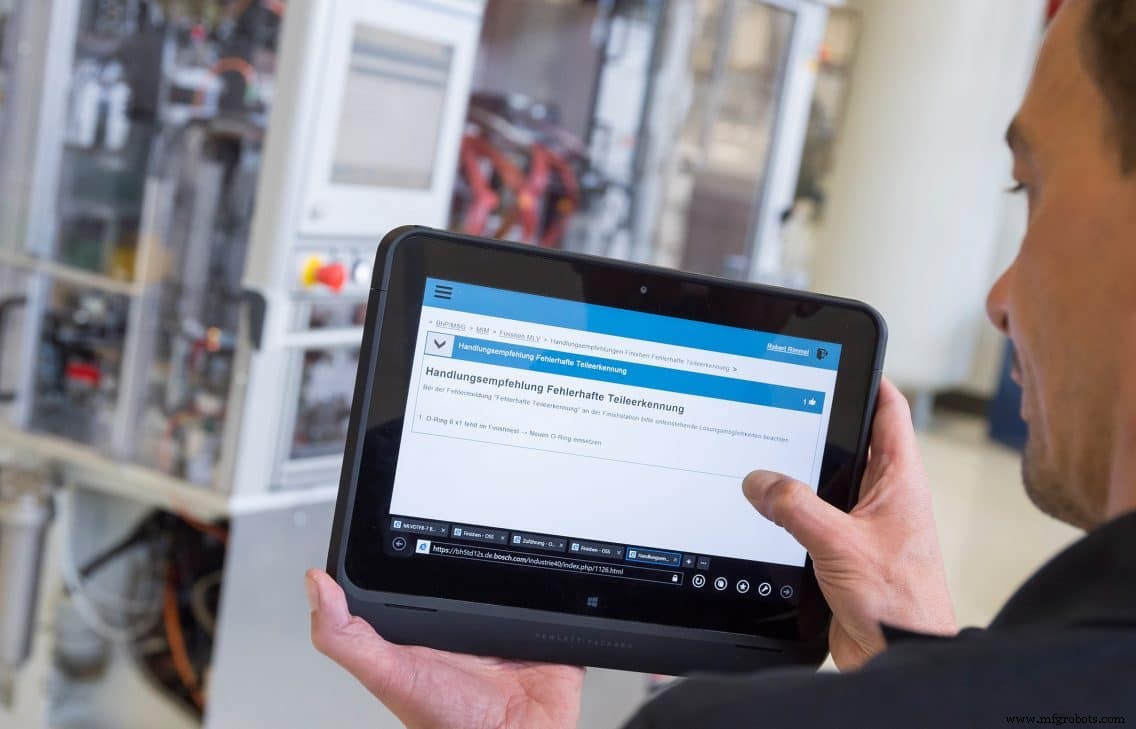
With Bosch’s operator support system, users receive real‑time equipment status, fault indicators and actionable solutions, turning raw data into tangible operational value.
Consider Bosch’s hydraulic valves. Traditionally, a final inspection involved 90 separate tests, taking 177 seconds. By analysing data from 30,000 valves, Bosch identified 21 redundant tests—reducing inspection time to 146 seconds, a 31‑second (17.4 %) saving. This is only one example; when the volume of parts reaches millions, even a few seconds saved per unit translates into significant productivity gains. The science behind these gains—big data analytics and data mining—enables real‑time evaluation and immediate application in manufacturing workflows.
Beyond efficiency, data‑driven insights spur new business models. Extracting meaningful knowledge from massive datasets is the hallmark of future‑ready companies. It demands a workforce fluent in both manufacturing processes and data analysis.
"We need experts who are equally at home in manufacturing and the analysis of huge volumes of data." – Werner Struth, former board member, Robert Bosch GmbH
Trust and ownership of data are critical. Who owns manufacturing data—the operator or the manufacturer? Transparent agreements and clear usage policies are essential for successful collaborations between operators, service providers and manufacturers.
Industry 4.0 is driving the convergence of electrical engineering, mechanical engineering and software. To harness its full potential, we must answer two questions: first, cultivate professionals skilled in both production and data science; second, redesign apprenticeship and higher‑education curricula to emphasize IT literacy and data integrity.
By fostering a culture that values data security and dispelling fears surrounding big data, Germany can position itself as a global leader in responsible data usage.
Industrial Technology
- Industry 4.0: Harnessing Cloud and Edge for Smart Manufacturing
- Altair Launches Material Data Center: A High‑Fidelity, Comprehensive Database for Simulation-Driven Design
- Maximize Construction Efficiency: 4 Questions to Unlock Live Field Data
- Industrial PLCs Power Variable Speed Drives
- Harness Industry 4.0: Proven Strategies for Building a Winning Digital Roadmap
- Industrial DataOps: Driving Competitive Edge with Advanced Analytics in Industry 4.0
- Mastering Industry 4.0: Proven Steps to Future-Proof Your Business
- Expert Tips for Safe & Efficient Raw Material Handling
- Proven Tactics for Tackling Raw Material Stock Challenges in Textiles
- Essential Factors for Accurate Injection Molding Material Cost Evaluation