



Insert Molding vs. Overmolding: Key Differences and How to Choose the Right Process
Overmolding and insert molding are two injection molding processes used in making commercial and industrial products. Both use the same concept, i.e., they involve molding a plastic part over another part. However, both differ regarding the properties and functions of the “other part.” As a result, they have different applications. Using the two processes without proper understanding can lead to several adverse effects. Common ones are product failure, wastage of time materials, and increased production costs. As a result, this article does an insert molding vs overmolding comparison to help you choose the right process for your project. Insert molding is a part manufacturing process applicable in molding plastic over a non-plastic part (usually metal, also known as inserts). The process follows the normal injection molding procedure with the addition of an insert. It involves placing an insert in a mold and injecting molten plastic into the mold. As a result, the insert becomes encapsulated with plastic material. Afterward, ejection occurs. Insert molding can occur in two ways: manual and automated. On the one hand, a manual process is less costly and gives the operator easier control. On the other hand, the automatic process ensures repeatability, reduction of error, and overall production efficiency. Insert molding is common in aerospace, medical, electronic, and defense industries. Common insert molding examples are products such as screwdrivers, spring contacts, clips, and pins. Insert molding has wide applications due to its advantages. Below are a few reasons you should consider the process for your project. Overmolding is another common injection molding process that involves molding a plastic material over another plastic material. It is a double injection molding process. As a result, it is called two-shot molding. Overmolding involves injecting the plastic into a mold to form the first plastic part (also known as the substrate). Then, on solidification, the substrate is placed in another mold and injected with the second plastic material (overmold). Finally, the substrate becomes encapsulated with the overmold. Afterwards, ejection then occurs. Keynote: Both processes take place simultaneously, i.e., the formation of the substrate and overmold is not separate. This ensures that both plastic materials fuses. The overmolding injection molding process has a wide application (even synonymous to insert molding) in many industrial and commercial industries. Overmolded parts are applicable in the following ways: Overmolding has wide applications due to its advantages. Below are a few reasons you should consider the process for your project. Overmolding is suitable for several products. However, it is not suitable for others. Below are a few disadvantages of the process. Both processes are similar. However, there are many differences that you have to take note of before choosing the right one for your project. The overmolding vs insert molding difference entails the following: The major insert molding vs overmolding difference is the molding process. On the one hand, overmolding is a two-step manufacturing process (hence the name two-shot molding) that involves molding a plastic (overmold) on another plastic (substrate). On the other hand, insert molding involves molding plastic on a non-plastic material. Unlike the overmolding process, it is a one-step manufacturing process (the insert is manufactured separately) Both processes take time. However, insert molding is relatively more time-consuming due to the molding of another layer on the product, i.e., the total product encapsulation of the insert. In contrast, the overmolding injection molding process entails partial encapsulation. Aside from that, insert molding does not require separate production of the two plastic parts, unlike overmolding, which has the substrate and overmold. On the one hand, overmolded parts come from plastic parts that can form chemical bonds with each other. However, not all plastic materials are compatible with each other. For example, ABS is compatible with ABS, Polycarbonate, and Polyethylene but not with POM. On the other hand, most plastic materials are compatible with non-plastic parts. As a result, insert molding has broader material compatibility. Keynote: Ensure you are familiar with many injection molding materials before selecting any process. Better, you should seek the advice of an injection molding service provider on the right material to choose. Overmolding is a more expensive project due to the two injection processes. Aside from that, insert molding reduces assemblage cost and improves project productivity, especially in high-volume production. They are, however, costlier than injection molding. The right process between insert molding and overmolding depends on the application. However, it is impossible to choose any for your project. Nevertheless, you can judge from the plethora of insert molded and overmolded parts to determine the right process. Consider the factors below: Consider insert molding when making products that have the following attributes or applications: Consider overmolding when making products that have the following attributes or applications: Overmolding and insert molding are injection processes that use the same concept, i.e., molding a plastic part over another. However, they differed based on processes, cost, speed, and material selection. Before you choose any of them, you need a proper understanding of the process. As a result, this article did an insert molding vs overmolding comparison to help you choose. Do you need high-quality insert molded or overmolded parts? Let WayKen help you get started. WayKen offers high-quality injection molding services with the help of our experts. Our team can help you choose the best injection molding process for your project. So, you can be confident to get cost-effective and quality molded parts. We also offer other manufacturing services such as CNC machining, vacuum casting, and 3D printing. Upload your design file today to get an instant quote! What is two-shot injection molding? Two-shot molding is another name for overmolding. Also known as dual-shot, multi-shot, or double-shot molding, it simply involves simultaneously molding a plastic part (overmold) on another plastic part (substrate). The process takes place simultaneously and allows engineers to create multi-material or multi-colored parts without assembly. What are inserts in injection molding? Inserts are non-plastic parts that are important in insert molding. They are placed in the mold and injected with plastic material. Most commonly, they are simple objects, e.g., thread or rod. However, they can also be complex, e.g., battery.Overview of Insert Molding
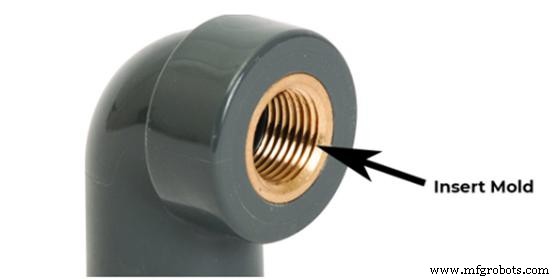
What is Insert Molding?
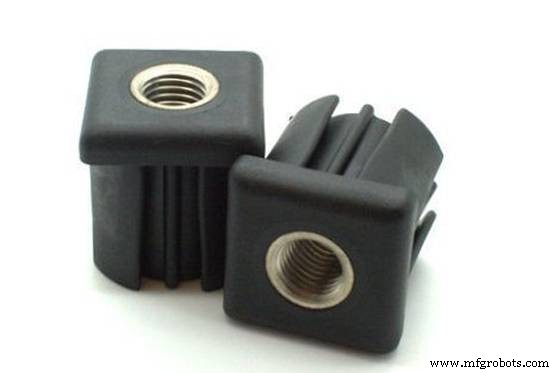
Applications of Insert Molding
Advantages of Insert Molding
Disadvantages of Insert Molding
Overveiw of Overmolding
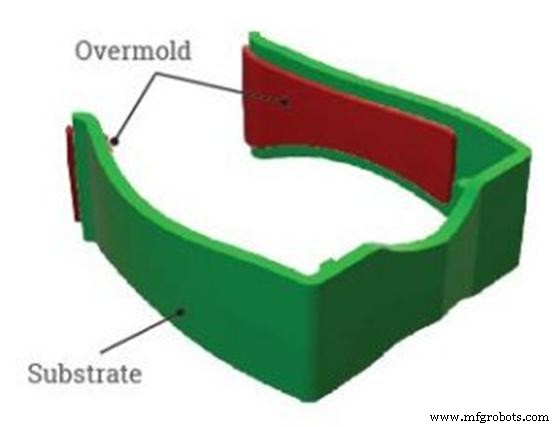
What is Overmolding?
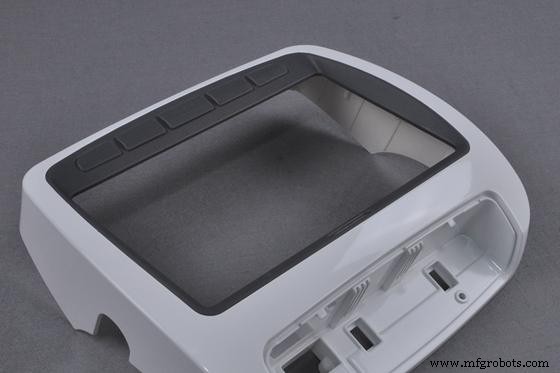
Applications of Overmolding
Advantages of Overmolding
Disadvantages of Overmolding
Differences Between Insert Molding and Overmolding
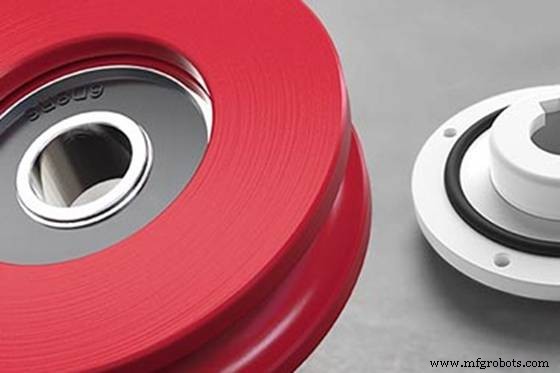
Insert Molding vs Overmolding: Process
Insert Molding vs Overmolding: Production Speed
Insert Molding vs Overmolding: Material Selection
Insert Molding vs Overmolding: Cost
Should I Choose Insert Molding or Overmolding?
When to Use Insert Molding
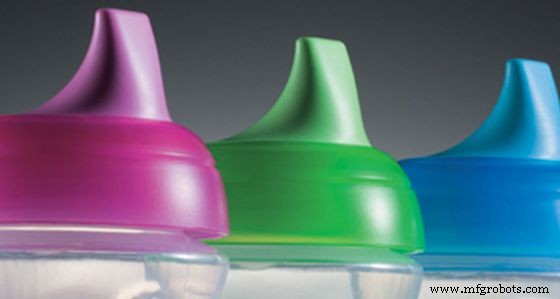
When to Use Overmolding
Conclusion
FAQs
Industrial Technology
- Automation vs Robotics: Understanding the Key Differences for Business Success
- Insert Molding vs. Overmolding: Choosing the Right Plastic Fabrication Technique
- Insert Molding Explained: Boost Efficiency & Cut Costs in Multi-Material Production
- Mastering Complex Parts: Overmolding & Insert Molding in Injection Production
- Insert Molding vs. Overmolding: Key Differences Explained
- Heat vs. Ultrasonic Insert Molding: Choosing the Right Process for Your Production
- Aluminum Bronze Grades Explained: Composition, Properties, and Applications
- Insert Molding Explained: A One-Step Process for Durable, Multi-Material Components
- CNC Turning vs Milling: Expert Insights into Key Differences
- MIG vs TIG Welding: Key Differences Every Fabricator Should Know