



High-Pressure Die Casting (HPDC): Mastering Complex Metal Part Production
High pressure die casting is a pressure die casting process that is highly applicable in industries that makes metal parts with complex designs. Aside from its compatibility with any product design, many metal part manufacturers consider it due to its ease of operation, less material wastage, and cost-effectiveness. If you are looking for the right process for your die casting project, the question of “how can I use high pressure die casting” might need a few insights. As a result, this article will answer by talking about the process, the machines used, and its application in part manufacturing. High pressure die casting (HPDC) is part of the three major types of pressure die casting used in metal part manufacturing. Irrespective of the machine, the process involves injecting molten metals pre-designed mold at high pressure. Afterward, cooling occurs, and the molten metal solidifies and is removed from the mold. The cycle then continues. The high pressure die casting process is sometimes confused for low-pressure die casting (LPDC), another type of pressure die casting. However, both processes are different with their advantages and disadvantages. Below is a summary of what both entails. HPDC is only applicable in making metal parts, with the most common materials being aluminum, zinc, and magnesium. Below is a short introduction about the compatible materials so you can know whether to stick with the HPDC or use another. Aluminum is the most common HPDC material – a reason aluminum high pressure die casting is a popular manufacturing process in the industries like automotive and aerospace. It is very common due to its inherent properties. Aside from that, aluminum has a good flow on melting at high pressure but requires a cold chamber system for high-quality castings. Common aluminum alloys used in the process are 380, 390, 412, 443, and 518. Aluminum HPDC parts are widely applicable in several industries due to their lightweight, dimensional stability, electrically conductivity, corrosion resistance, and thermal resistance. Magnesium is another popular HPDC material known for its lightweight (lighter than aluminum) and high machinability. They are more suitable for hot chamber die casting due to their lower melting points. Common magnesium alloys you can use are AZ91D, AM60, AS41B, and AE42. Zinc is the most manufacturer-friendly of the three common HPDC materials. It works best with a hot chamber system but is also suitable for a cold chamber system. Common high pressure zinc die casting alloys include Zamak, 2, 3, and 5. Zinc die-casted materials are strong, durable, and machinable. Other compatible materials include copper, lead, and tin alloys. Each one has its unique properties. Therefore, you should check the function required and the environment of use before selecting. It is even better to check with a die casting service that renders the process on the right material. High pressure die casting machines use two different systems: cold and hot chambers. Both systems use nearly the same components with similar functions. For a manufacturer who wants an HPDC machine, below are a few components of an HPDC machine and their functions. This is the most important part of the machine made majorly from steel using a process such as CNC machining due to the high precision, accuracy, and tolerance. It has a design that represents the intended product. Die cast molds have two halves (movable and fixed) attached to the machine. Both halves clamp under force when the operator injects molten metal. These components function in the ejection of the die-cast after solidification. They are mostly on the movable die half. The piston produces the pressure that injects molten metal from the blow chamber into the mold. Depending on the type of machine, it can be automated. The heating components are the heating element, thermocouple, and blow chamber (location of the molten metal). They function in heating metal while storing and maintaining the temperature of the molten metal. Heating components are absent in the cold chamber system. It acts as a passageway for the molten metal into the die-cast mold. Most die casting enthusiasts agree that HPDC has four processes: mold preparation, injection, ejection, and post-casting treatment. Below is everything you need to know about how the process works: Mold preparation includes cleaning the mold to remove impurities that can affect the metal cast’s quality. Also, it includes lubricating the mold’s interior walls for easier ejection from the mold and regulation of temperature. This step involves injecting the molten metal into the mold. However, the method of injection depends on the machine’s injection system. There are two systems: hot chamber and cold chamber. Below is an explanation of both methods. The hot chamber injection system is suitable for working with low melting point metals such as zinc, magnesium, and lead. It involves melting the metal part in the machine and injecting the molten metal to the mold. Cold chamber injection involves pouring the molten metal into the blow chamber before injecting it into the mold. The system is suitable for materials with high melting point metals, such as aluminum and brass. Due to the material’s high melting point, it is necessary to melt them outside the system. Below are a few keynote takeaways about the two systems: On cooling, the molten metal solidifies. Afterward, the operator uses the ejector pin to release the mold’s cavity and push out the solidified casts. Trimming is necessary for removing the extra material found on the casting and the mold. There are many ways of trimming the extra materials. Common ones include using a trim die and saw. The extra materials are reusable and recyclable. As a result, the process is cost-effective. High pressure die casting has wide industrial applications due to its advantages. Below are a few reasons you should consider using the process for your project: The injection stage is the most crucial HPDC stage and is fast. Hence, HPDC has a high production rate. As a result, the process is important in rapid prototyping, especially for high-volume manufacturing. It is also faster than LPDC and other casting methods. Die casts made using HPDC have high dimensional accuracy, good surface finish, and excellent uniformity. They also retain the parent material’s mechanical properties and seldom need further machining. High pressure die casting can obtain a thin wall thickness of under 0.40mm. Also, it allows you to add inserts (or co-cast parts), thereby reducing the number of components during the assembly. HPDC is suitable for making products with complex die shapes due to the flexibility in die mold design. As a result of the flexibility, it is easier to assemble the produced parts. Die cast molds used in HPDC are highly durable, making them useful in multiple production cycles. Due to their durability, there is a reduction in the die castings per unit cost. Although HPDC boasts unique advantages, there are two situations where it is not ideal. If you fall under this category, ensure you talk to a rapid prototyping company about possible manufacturing processes. You can check here about the advantages and disadvantages of die casting. HPDC is not the right material for products that must not have air pockets. Due to the high pressure used, entrapment of air in the mold can occur during the injection stage. As a result, this will lead to porosity, and such parts must not undergo heat treatment as this can cause surface blisters. If you still think die casting is the right method, you can switch to low pressure die casting. Setting up a personal HPDC machine requires a huge investment. A reason many people and businesses consider outsourcing to a die casting service. HPDC has wide industrial capabilities hence its applications in the following industries: The automotive industry uses HPDC to make engine blocks, gearbox casing, engine mounts, and other structural vehicular parts. These parts have a complex design and require high accuracy. Also, they are suitable because of their compatibility with materials such as aluminum and magnesium Medical parts such as high-production imaging equipment, and infusion pumps, are manufactured using the HPDC machines. It is the favorite process due to its productivity, material compatibility, and need for compatibility with the complex product design. The aerospace industry also uses HPDC in making products such as engine parts. Here zinc, magnesium, and aluminum high pressure die casting are common due to their properties. Choosing between outsourcing and getting an HPDC machine depends on your business, the size of the project, and investment capabilities. Small and medium businesses should outsource to die casting services irrespective of their project size. For large businesses, the desire to maximize profit will determine your choice as HPDC has a high start-up, maintenance, and operational cost. Outsourcing to a die casting service should only occur after checking several factors, the most important being the manufacturing capability, pricing, and quality. At WayKen, our manufacturing plants and advanced facilities allow us to manufacture high-quality and cost-effective die casting parts. Use our online quotation and get a free DFM analysis. What is more, you get to enjoy fast lead time and competitive market pricing. High pressure die casting is a common manufacturing process in industries using solid metal parts with complex designs. It offers ease of operation, less wastage of material, and cost-effectiveness. This article talked about the process and its application in parts manufacturing. Do you need high-quality metal parts manufactured using die casting? Let us help you get started. Why do you use CNC machining for die casting mold? CNC machining is the most common mold manufacturing process due to its precision, accuracy, and high tolerance. The mold requires a process that can deliver high details. So, CNC machining is a common process for making die casting molds. Is high pressure die casting for plastics? No, you need to use injection molding for plastic polymers. Die casting is injection molding for metals. What is the difference between high pressure casting and gravity casting? High-pressure casting is a type of pressure die casting process, i.e., it injects using pressure. On the other hand, gravity casting involves filling the mold with molten metal under the influence of gravity.Concept of High Pressure Die Casting
Materials Compatible with High Pressure Die Casting
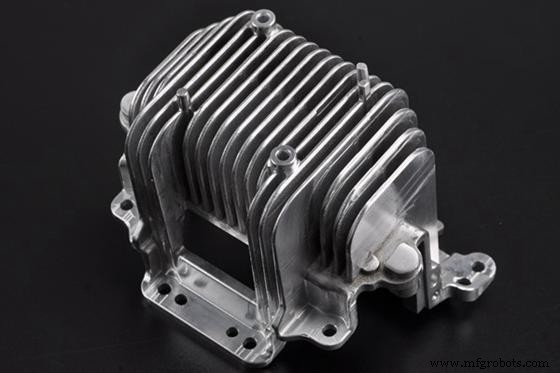
1. Aluminum
2. Magnesium
3. Zinc
Components of a High Pressure Die Casting Machine
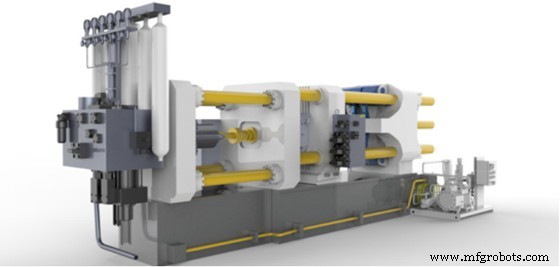
1. Die Cast Mold
2. Ejector Pins
3. Piston
4. Heating Components
5. Riser Tube
How Does High Pressure Die Casting Process Work?
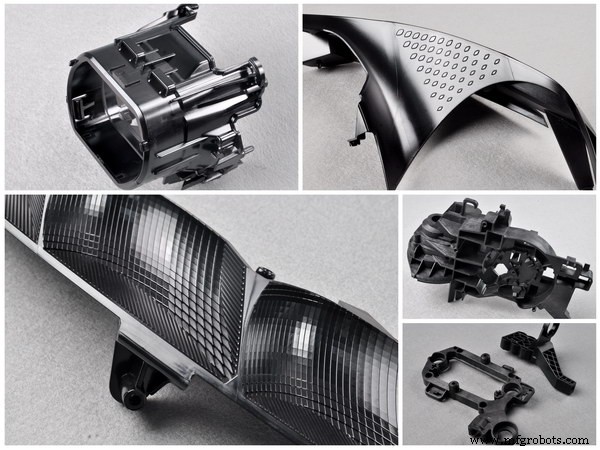
Step #1: Mold Preparation
Step #2: Injection
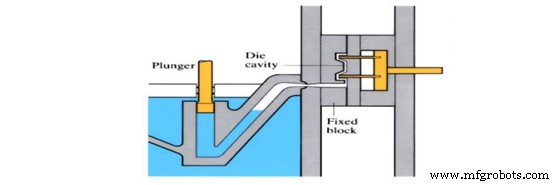
Hot Chamber Injection System

Cold Chamber Injection System
Step #3: Part Removal
Step #4: Trimming
Advantages of High Pressure Die Castings
1. Higher Production Rates
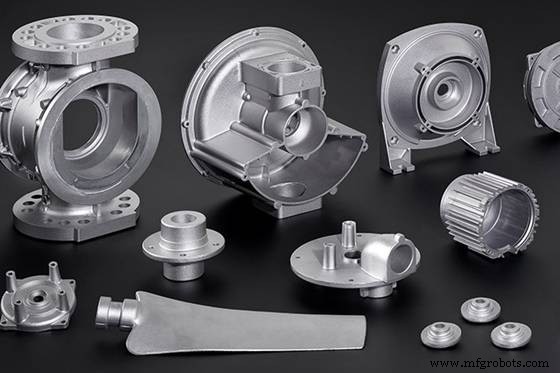
2. Quality High Pressure Die Castings
3. Thin Wall Products
4. Achieve Complex Design
5. Durable Dies
When You Should Not Consider High Pressure Die Castings?
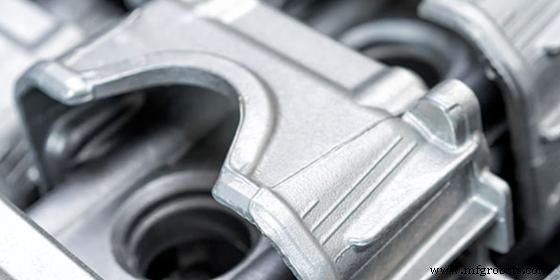
Presence of Air
Initial Start-Up Costs
Application of the High Pressure Die Casting Process
1. Automotive Industry
2. Medical Industry
3. Aerospace Industry
Should I Outsource or Get a High Pressure Die Casting Machine?
Conclusion
FAQ
Industrial Technology
- Die Casting Explained: Precision, Efficiency, and Production Benefits
- High Pressure Die Casting (HPDC): The Precision Process for Complex Parts
- Low‑Pressure Die Casting Explained: Benefits, Process, and Why It’s Essential for Automotive Parts
- CNC Machining vs. Die Casting: Selecting the Optimal Process for Your Parts
- Hybrid Manufacturing: Merging Additive & Subtractive Processes for Advanced Production
- Investment Casting vs. Centrifugal Casting: Choosing the Right Metal Casting Method
- Choosing the Right Drill Bit for Precision Part Manufacturing
- Mastering Die Casting: Processes, Benefits, and Applications
- Comprehensive Cost Breakdown of the Die Casting Manufacturing Process
- Expert Overview of Die Casting: Process, Materials, and Equipment