



Metal Bending: When to Apply It for Precision Fabrication
The process of metal-bending is done by bending sheet metal or pipe (or an arbitrary sheet form) about a centerline, the radius of which may be fixed or variable. The rivet and blind holes are usually drilled through the circumference. The details of this operation may be varied by utilizing different bending tools.
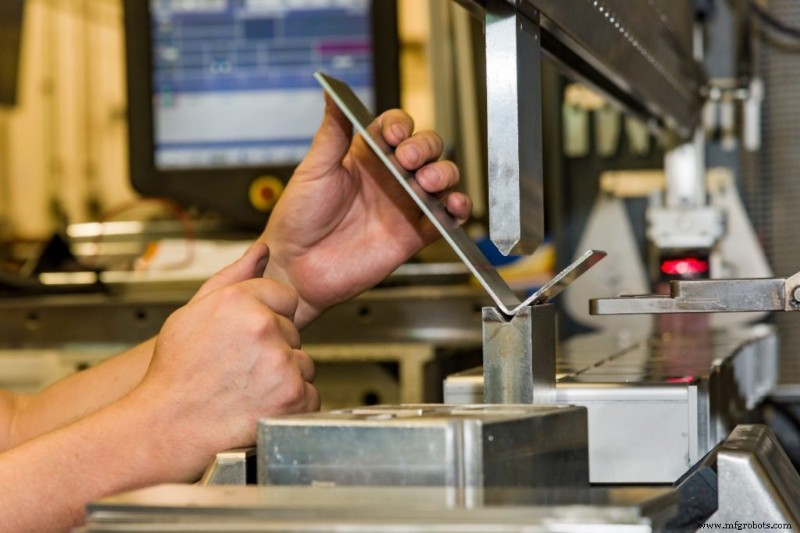
What is Metal Bending?
Metal bending is a process where metal is shaped by plastically deforming it. This can be done using heat, cold, or mechanical methods. Bending is often used to create curved or angular shapes from straight metal stock.
There are many reasons why you might want to bend metal. Maybe you’re creating a piece of artwork, or perhaps you need to make a custom bracket for a machine. Whatever the reason, metal bending can be a great way to get the shape you need.
There are a few things to keep in mind when deciding whether or not metal bending is the right choice for your project. First, not all metals can be bent using this method. Second, the amount of force needed to bend the metal will vary depending on the type and thickness of the metal. Finally, metal bending can introduce stresses into the metal, weakening it, so it’s important to consider if this is an acceptable risk for your project.
If you’re still unsure if metal bending is right for you, contact Elemet Manufacturing. We will be able to help you determine if metal bending is the best option for your project.
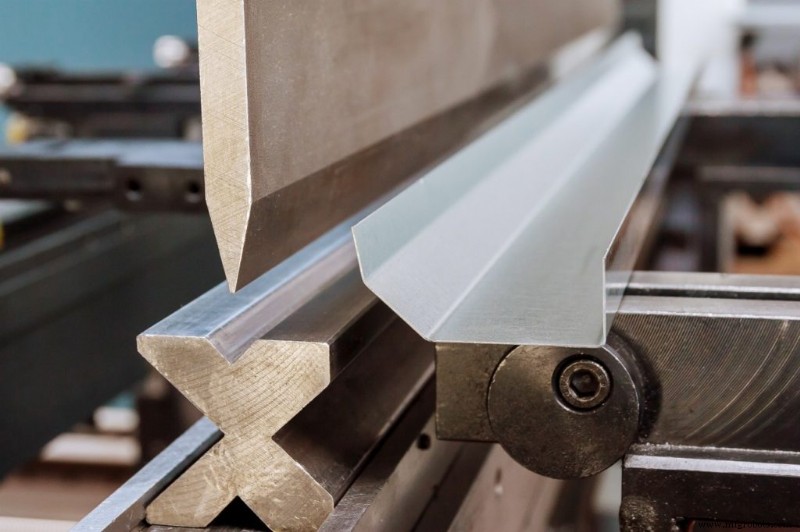
How to Determine the Right Bending Shape
Metal bending is a process where metal sheets are bent into specific shapes. This can be done using various methods, including hand-held tools, presses, or hydraulic machines. The machine and method used will depend on the thickness and type of bent metal and the desired shape.
To determine the right method for your project, you’ll need to consider a few factors:
- The thickness of the metal. Heavier gauge metals will require more force to bend, so you’ll need a sturdier machine.
- The type of metal. Softer metals like aluminum are easier to bend than harder metals like steel.
- The desired shape. Some shapes are easier to achieve than others. For example, a 90-degree angle is easier to achieve than a tight curve.
Once you’ve considered all of these factors, you can choose the right bending shape for your project. With the help of a professional, you can ensure that your metal bending project is completed successfully.
How to Choose the Correct Bend Width
There are a few factors to consider when selecting the optimal bend width for your project. The first is the types of materials you’re working with. If you’re bending tubing or pipe, you’ll need to consider its wall thickness. The second factor is the degree of bend you need to make. The larger the angle, the greater the force required and the wider the bend should be. Finally, think about how much space you have to work with. Wider bends take up more room than narrower ones.
With those three considerations in mind, here are some general guidelines for choosing bend widths:
- For thin-walled tubing or pipe (under 0.040″/1mm), use a Bend Width that’s equal to the Tube/Pipe OD (outside diameter).
- For thick-walled tubing or pipe (0.040″/1 mm and up), use a Bend Width that’s 1-1/2 times the Tube/Pipe OD.
- For 90-degree bends, use a Bend Width at least 2 times the Tube/Pipe OD.
- For larger angles (over 90 degrees), use a Bend Width that’s 3 times the Tube.
Manufacturing Process
In the metalworking process, bending is one of the most common ways to shape metal. Bending can be done by hand or machine, and there are various ways to bend metal, depending on the type of metal being used and the desired outcome.
Knowing when to use metal bending is an important manufacturing process. Here are a few things to keep in mind when deciding whether or not to use metal bending:
- The type of metal being used: Some metals are more conducive to bending than others. For example, aluminum is a soft metal that is easy to bend, while steel is a harder metal that is more difficult to bend.
- The desired outcome: What are you trying to achieve with the bending? Are you looking for a tight radius bend or a wide radius bend? This will help determine the best method for bending the metal.
- The equipment available: Not all manufacturing facilities have the same equipment. This can limit the type of bends that can be achieved. If your facility has limited equipment, it may be necessary to outsource the bending to another facility.
Bending Force
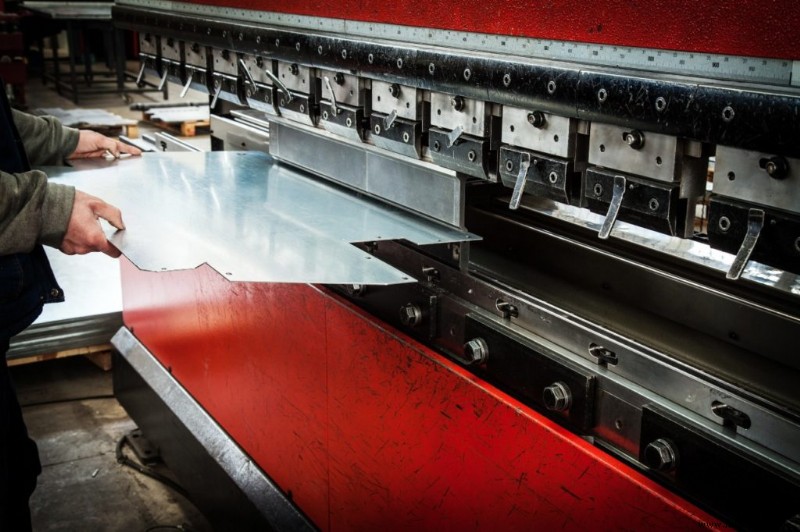
Bending force is required to deform a material and create a new shape. The force required depends on the type of metal, its thickness, and the desired degree of bend. So, when do you need to use metal bending?
Many everyday objects are created using bending force, such as:
- Hairpins
- Paperclips
- Bicycle frames
- Pipes
To create these objects, different levels of force are required. For example, hairpins can be made with very little force because they are made from thin wire. On the other hand, thicker materials like pipes require more force to bend. The level of force also dictates the degree of bend possible. For example, a 90-degree bend would require more force than a 45-degree bend.
If you need to create an object from metal that requires bending, consider the following factors:
- The type of metal
- The thickness of the metal
- The desired degree of bend
- The amount of force required
Cross sections
When it comes to working with metal, one of the most important things to keep in mind is the weight and thickness of the metal. This will largely determine which type of metal bending process best suits the job. For example, using a cross-section method may be your best bet when dealing with heavier or thicker metals.
The metal is first cut into smaller, more manageable pieces in a cross-section process. These pieces are then heated until they’re pliable enough to bend into the desired shape. Once cooled, the metal will retain its new shape. This method is often used for larger projects that require more precision and accuracy.
The Effect of Bend Radius and Thickness
When it comes to metal bending, two main factors will affect the outcome of your project: bend radius and thickness. Depending on what you’re looking to achieve, you’ll need to consider these factors to ensure a successful result.
Bend radius is the distance from the center of the bend to the outer edge of the metal. The thicker the metal, the larger the bend radius needs to be. You’ll need a smaller bend radius if you’re aiming for a tight, sharp bend. Conversely, if you want a gentle curve, you’ll need a larger bend radius.
Thickness also plays a role in metal bending. The thicker the metal, the more difficult it will be to bend. You’ll need more force to achieve the same results as thinner metal. Keep this in mind when deciding on the metal thickness for your project.
If you consider these factors when planning your metal bending project, you’ll be sure to achieve the desired results.
Types of Metal Fabrication
There are various metal fabrication processes, each with advantages and disadvantages. When deciding which process to use for a particular project, it is important to consider the job’s specific requirements, including the type of metal to be used, the desired shape and size of the finished product, and the production volume. Different types of metal bending processes include:
- Hot forming – Hot forming is well suited for large-scale production runs requiring consistent results. The metal is heated to its melting point before forming into the desired shape. This process can be used with most metals but is particularly well suited for working with aluminum and other soft metals.
- Cold forming – Cold forming is a more versatile process that can be used for both small-scale and large-scale production. In this process, the metal is formed at room temperature or below, making it ideal for working with harder metals. Cold forming is also well suited for creating complex shapes that would be difficult to create using other methods.
- Forging – Forging is a manufacturing process in which metal is heated and shaped using hammers or presses. This process can be used to create parts with high strength and durability. Forging can be performed using a variety of metals, including steel, aluminum, and titanium. However, it is not well suited for creating parts with very intricate shapes.
Contact us for more information or concerns, or visit our website Elemet Manufacturing.
Industrial Technology
- Choosing Between Laser Cutting and Waterjet Cutting: Which Method Suits Your Project?
- When to Use Bare Board Testing for Reliable PCB Development
- Precision Sheet Metal Bending: Cost‑Effective & Reliable Fabrication
- Top Metal Choices for Precision Stamping
- When to Choose Airbending for Press Brake Forming: Boost Efficiency & Save Costs
- Choosing Urethane Casting: Ideal Applications & Benefits
- Guidelines for Selecting Polypropylene Applications
- Metal 3D Printing vs. Metal Injection Molding: Choosing the Right Process for Your Project
- Electroplating Explained: When and How to Use It for Superior Finishes
- Choosing CNC Milling: When Precision Metal Machining Matters