



Key Factors to Evaluate When Selecting Metal Fabrication Vendors
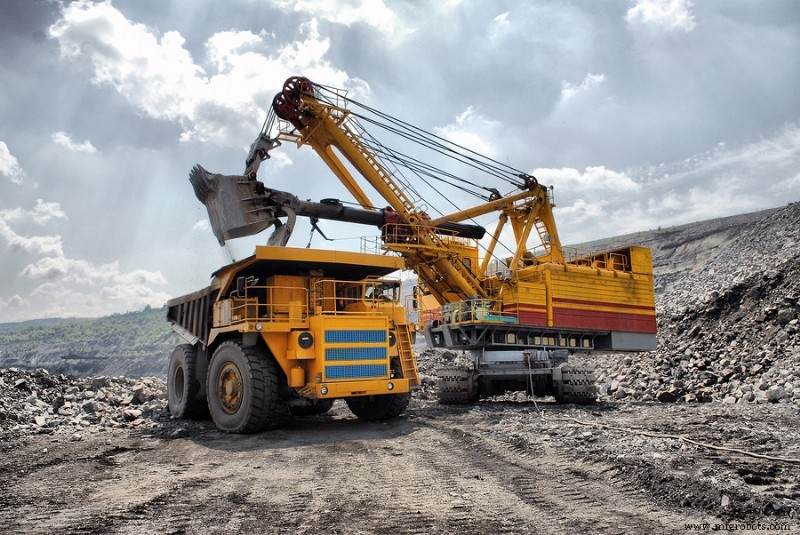
The success of fabrication projects largely depends upon the vendors selected to satisfy different portions of the project. Top metal fabricators have high standards for their work, which leads to a more effective product. When you choose a vendor, their experience, specialties, workers, locations, and materials will have a direct impact on your production quality. Vetting your vendor options will allow you to confidently choose the vendor that will serve your needs most effectively.
Analyze Their Materials
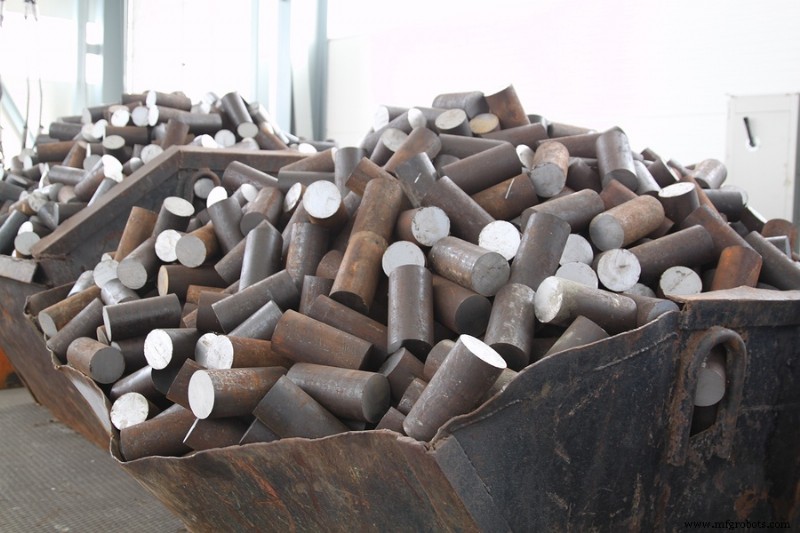 The quality of materials chosen for your projects is a hugely significant factor. Certain materials will last and perform longer while others will quickly degrade and fail. Worthwhile vendors will take the time to explain the materials (like steel or alloys) that they will use for your project. Higher quality materials may come at a higher cost, but finding a vendor that is willing to discuss why and how they will use materials can save you from exceeding project costs. Compare the costs and figures cited by each vendor. Cheaper vendors may not have access to the materials and technology best suited to your needs.
Capabilities
Vendors must have the machinery, space, and access to materials to be able to complete your work. As such, you must evaluate their capabilities based on design, production, and materials. Since drawing is usually one of the first steps in fabrication, good vendors can work from drawings as well as translate them.
Production capabilities are a deciding factor in choosing a vendor. Ask vendors questions about their production capacity in the following areas:
- Metal finishing
- Assembly and welding
- Installation
- Cutting
- Large-run or One-off
Location
Vendors should be well situated. A vendor's location determines how quickly products and materials can be delivered to them as well as how fast they can send them out. A vendor located near a large port is better suited to a large project as it can be faster and more cost-effective to transport large assemblies using waterways. Transportation times contributes significantly to lead time.
Employees
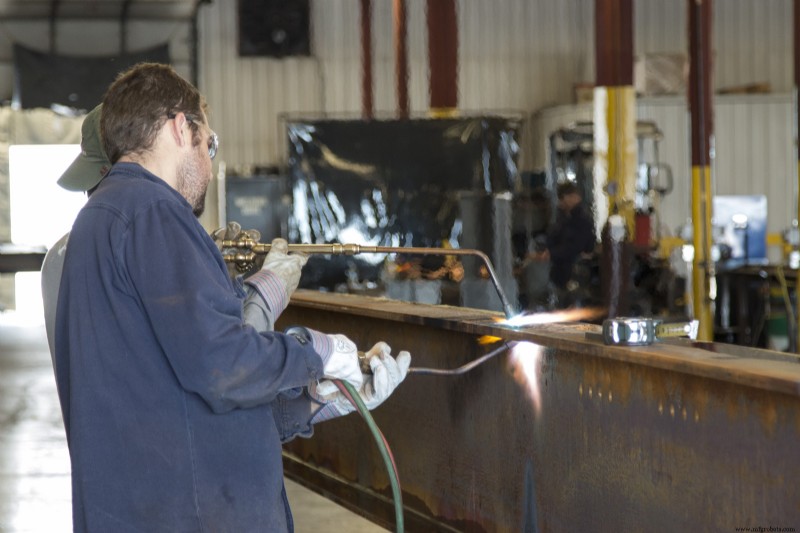 The workmanship of employees is another component of capability. Some fabrication techniques require specialized workers with experience and skill. Vendors should be able to provide you with a rundown of the training and experience of their workers and the overall size of their workforce.
Experience
Experience is a big indicator of whether a vendor can handle your project. Experienced vendors will have knowledge of industry standards and regulations, be efficient, have examples of past projects and will know cost-effective strategies for getting a job done.
Ask About Certifications
Certifications can signal ability. One certification to look for is the ASME (American Society of Mechanical Engineers). ASME-certified vendors have met a series of quality and safety standards. Determine if your vendor is distinguished in their field. Awards are given to vendors with a history of excellence or a proven competence in certain areas.
Customer Satisfaction
How have other customers fared with the particular company? Good vendors will usually have testimonials. Get a profile of the industries that the vendor has served and try to learn if customers were consistently satisfied with their product’s quality.
Finalizing Your Decision
Vetting a vendor will help you find the best company to assist you in your project. A vendor's experience, standing, and portfolio can speak volumes about its capacity. Not every vendor has the experience or resources to work with the materials and processes you need, so be proactive and vet each vendor to find the right choice.
Industrial Technology
- How CAD Models Drive Success in Metal Fabrication Projects
- Top Reasons Businesses Outsource Metal Fabrication Projects
- Deburring in Metal Fabrication: Enhancing Precision, Safety, and Performance
- Why Precision Tolerances Matter in Custom Metal Fabrication
- Top 6 Advantages of Galvanizing for Durable Metal Fabrication
- 5 Essential Factors to Decide Between Repairing and Replacing Metal Piping Systems
- 5 Essential Considerations for Heat Treating Metal Parts
- Precision Metal Fabrication – Small to Large Projects
- Advanced Techniques for Large-Scale Heavy Fabrication Projects
- 10 Key Considerations for Choosing a Metal Fabrication Partner