



Industry 4.0 Explained: History, Benefits, and Key Technologies
Updated February 25, 2021
What Is Industry 4.0?
Industry 4.0, or the Fourth Industrial Revolution, describes how computers, data, and automation converge to reshape manufacturing and work processes. Building on the PC and internet‑driven Third Industrial Revolution, 4.0 dissolves the boundary between digital and physical systems, bringing automation, AI, IoT, and more into everyday operations. Unlike earlier revolutions that focused solely on technological breakthroughs, Industry 4.0 emphasizes how evolving technology transforms everyday life.
Why Industry 4.0 Matters
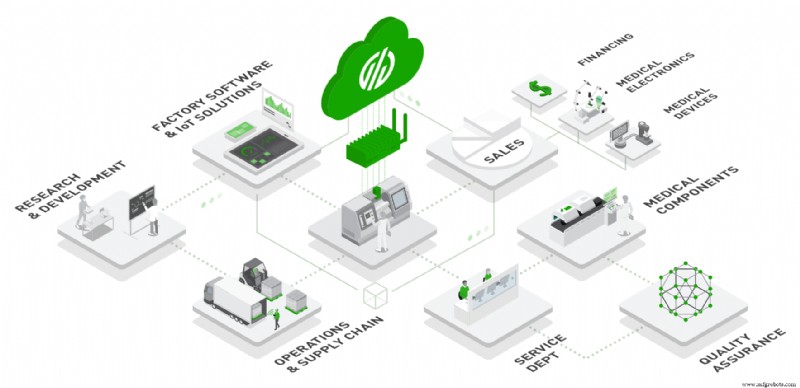
Industry 4.0 builds on existing technologies—large‑scale computing, cloud data storage, and real‑time analytics—to eliminate data silos and enable cross‑organizational visibility worldwide. It tackles today’s manufacturing challenges: intense global competition, volatile markets, complex product cycles, and the need for rapid data‑driven insights. By embracing predictive maintenance and flexible production, companies reduce downtime, lower costs, and accelerate innovation cycles.
Unlike past revolutions that simply added new tools, 4.0 shifts the focus to continuous innovation, allowing firms to test and deploy new business models at unprecedented speed. It prioritizes the customer: faster time‑to‑market, on‑demand production, and high‑level customization. Workers benefit too—repetitive tasks give way to problem‑solving roles that leverage advanced robotics and IoT.
Drivers of the Transition to Industry 4.0
- Customer Demands – Consumers expect quicker, cheaper, and more sustainable products. Customization, once costly, is now routine thanks to technologies like 3D printing.
- Data Utilization – Manufacturers generate vast historical data. Turning this into actionable intelligence improves demand forecasting, production planning, and maintenance.
- Global Connectivity – Cloud computing and ubiquitous connectivity remove geographic barriers, enabling real‑time collaboration from supply chain to shipping.
The Evolution of Manufacturing
Manufacturing has evolved through four major industrial revolutions, each defined by a leap in technology.
The First Industrial Revolution (late 1700s–early 1800s)
Transition from manual labor to mechanized production using power looms, steam engines, and water‑powered machinery.
The Second Industrial Revolution (late 1800s–early 1900s)
Rapid industrialization and standardization driven by electricity, the telegraph, steel, and the first assembly lines.
The Third Industrial Revolution (mid‑20th century)
The Digital Revolution, marked by microprocessors, personal computers, cell phones, and the internet—ushering in the Information Age.
The Fourth Industrial Revolution (current era)
Automation and machine‑to‑machine communication create smart factories, predictive maintenance, and additive manufacturing. Humans are increasingly removed from repetitive tasks.
The Fifth Industrial Revolution (emerging)
Some experts see Industry 5.0 as a partnership between humans and machines, emphasizing human creativity and intelligence—examples include Neuralink and operator dashboards that blend human context with machine data.
Implementing Industry 4.0 Effectively
- Change Management – Avoid the 20/60/20 rule. Engage the 60% of employees who are skeptical by explaining the vision and investing in training. Inclusion and clarity drive acceptance.
- Proactive Maintenance – Shift from reactive fixes to data‑driven predictive and prescriptive maintenance. Use machine learning to schedule repairs before failures occur, and explore autonomous self‑diagnosis.
- Secure Data Sharing – Real‑time data exchange with suppliers enhances forecasting, but requires robust cybersecurity. Implement secure cloud storage, encryption, and network segmentation from day one.
Benefits of Industry 4.0
Enhanced Efficiency and Productivity
Data‑guided resource allocation cuts waste, reduces downtime, and eliminates the need for excessive spare parts inventories.
Greater Agility
Real‑time analytics support rapid decision‑making, enabling one‑off production runs and swift response to market changes.
Financial Gains
Increased output, lower operating costs, and improved product quality translate directly into higher revenue and stronger profitability.
Challenges to Overcome
Data Overload
Manufacturers often face more data than they can process. Effective data governance, normalization, and low‑code ML tools are essential to transform raw data into actionable insights.
Talent Shortage
Demand for data scientists, analysts, and AI specialists far outpaces supply. Upskilling programs and low‑code platforms can help bridge the gap.
Cultural Resistance
Digital transformation can threaten job security and disrupt existing workflows. Building an open, collaborative culture and clear communication reduces resistance and accelerates adoption.
Key Industry 4.0 Technologies
Below are ten foundational technologies that drive the Fourth Industrial Revolution:
Big Data & Analytics
Large volumes of sensor and process data stored and analyzed via edge computing and machine learning.
Autonomous Robots
Machines that operate independently, making real‑time decisions using AI.
Simulation & Digital Twins
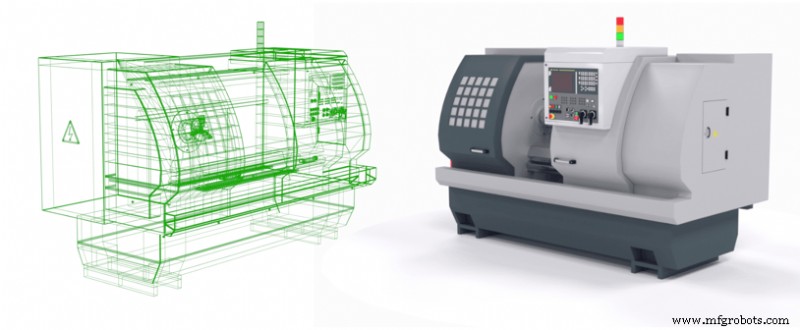
Virtual replicas of physical systems that enable testing, optimization, and predictive modeling.
Horizontal & Vertical Systems Integration
Seamless connectivity across departments and hierarchical levels, ensuring data flows freely.
Industrial IoT (IIoT)
IoT devices tailored for industrial use, such as smart HVAC controls and machine sensors. Platforms like MachineMetrics translate shop‑floor data into actionable insights.
Cybersecurity
Protecting the expanded attack surface created by connected machines and cloud services.
The Cloud
Remote, on‑demand computing resources that reduce the need for on‑premise hardware.
Additive Manufacturing
3D printing and related processes that build objects layer by layer.
Artificial Intelligence
Systems that learn from data and autonomously derive conclusions.
Augmented Reality
Overlaying digital information onto the physical world to support training, maintenance, and design.
Industrial Technology
- Hub Group: A Legacy of Family Leadership & Growth
- Create a Reliable Continuity Tester Circuit – Easy DIY Guide
- EASTEC 2021 Key Insight: Digital Transformation Must Start Today
- Why PCBWay Is the Leading PCB Assembly Manufacturer
- Why Materials Suppliers Must Adopt Digital Marketing for Sustainable Growth
- Top 5 Machinable Stainless Steels for Superior Product Performance
- Kaizen: The Proven Culture of Continuous Improvement in Modern Industry
- CubeSats Achieve Faster Data Links with Laser Technology, Cutting Onboard Resource Needs
- How NIST Traceable Standards Drive Precision & Quality
- What Products Can Be Created with CNC Machines