



9 Essential Steps to Build a High-Impact Preventive Maintenance Program

Updated October 23rd, 2024
Table of Contents
- What is a Preventive Maintenance Program?
- 1. Assemble an Engaged Team
- 2. Set Clear Preventive Maintenance Goals
- 3. Implement and Optimize Technology Systems
- 4. Create a Complete Inventory of Assets
- 5. Collect Important Asset Information
- 6. Develop a Plan for Each Asset
- 7. Schedule Long-Term Preventive Maintenance Milestones
- 8. Create an Ongoing Training Program
- 9. Track Relevant KPIs
- Final Thoughts on Building a Preventive Maintenance Program
- Frequently Asked Questions
Key Takeaway
A well‑planned preventive maintenance program is the cornerstone of reliable, high‑performing operations. By systematically inspecting and servicing assets before failures occur, companies can reduce downtime, extend equipment life, and achieve a return on investment that can reach up to 545%—a figure highlighted in industry research.
What is a Preventive Maintenance Program?
A preventive maintenance (PM) program is a proactive framework that schedules regular inspections, servicing, and condition monitoring to keep equipment operating at peak efficiency. Unlike reactive maintenance, which fixes problems after they happen, PM addresses potential issues before they affect performance.
Key components include:
- Scheduled Inspections and Servicing: Planned checks that identify wear or impending failure.
- Documentation and Record‑Keeping: Detailed logs of service dates, parts replaced, and anomalies.
- Maintenance Software: CMMS or EAM systems that automate scheduling, track work orders, manage inventory, and analyze data.
- Training and Skill Development: Continuous education for technicians to stay current with best practices.
- Performance Monitoring: Real‑time metrics such as vibration, temperature, and output to detect trends.
Implementing a PM program delivers improved reliability, extended asset life, heightened safety, and long‑term cost savings.
1. Assemble an Engaged Team
Securing executive buy‑in and assembling a cross‑functional team are foundational to success. Leadership must communicate the program’s ROI, vision, and tangible benefits. A diverse team—representing maintenance, operations, finance, and safety—ensures alignment with organizational goals and facilitates smooth implementation.
Want a FREE Asset Management Checklist?
Click the button below to receive a free PDF of our Asset Management Checklist, which contains the critical questions to answer for any tagging project, allowing you to get your maintenance tracking or facility management system up and running faster.
Get The Checklist ›
2. Set Clear Preventive Maintenance Goals
Define specific, measurable objectives that tie directly to business outcomes. Examples include reducing reactive maintenance by 30%, shortening work‑backlog by 25%, or increasing mean time between failures (MTBF) by 20%. Clear goals keep the team focused and streamline decision‑making.
3. Implement and Optimize Technology Systems
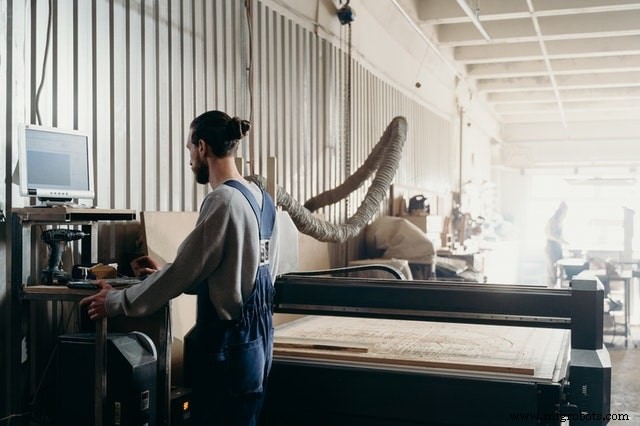
Select an integrated CMMS or EAM platform that consolidates scheduling, inventory, and analytics. Pair software with barcode tags, RFID, sensors, and handheld scanners to create a seamless data flow and eliminate silos.
4. Create a Complete Inventory of Assets
Document every critical asset in the system, establishing a clear hierarchy and relationships. Prioritize high‑value or safety‑critical equipment so that maintenance resources can be allocated effectively.
5. Collect Important Asset Information
Gather user manuals, OEM documentation, maintenance histories, facility schematics, and spare‑parts lists. Digitizing this data ensures quick access during inspections and supports accurate maintenance planning.
6. Develop a Plan for Each Asset
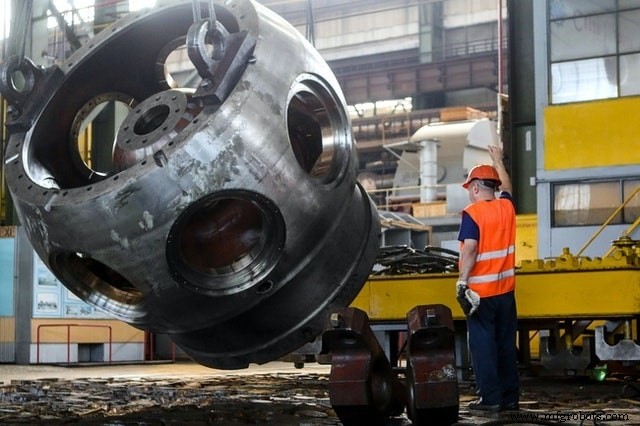
Analyze each asset’s failure modes and existing maintenance records to craft a tailored PM schedule. Assign responsibilities, define procedures, and identify which tasks should remain preventive, predictive, or corrective.
7. Schedule Long‑Term Preventive Maintenance Milestones
Plan for major upgrades, obsolescence, and lifecycle events. Align long‑term milestones with business strategy to protect the highest‑value assets and ensure continuous operational support.
8. Create an Ongoing Training Program
Regularly train technicians and frontline staff on new procedures, safety protocols, and technology updates. A robust training schedule reduces missed maintenance tasks and reinforces the program’s importance.
9. Track Relevant KPIs
Establish a cadence for reviewing key performance indicators such as workforce productivity, equipment downtime, maintenance cost per unit, MTBF, and overall equipment effectiveness (OEE). Use insights to refine processes and maintain continuous improvement.
Final Thoughts on Building a Preventive Maintenance Program
When executed methodically, a preventive maintenance program delivers measurable benefits—higher reliability, lower costs, and a stronger return on investment. Follow the steps above to embed best practices and secure lasting operational excellence.
Frequently Asked Questions
Industrial Technology
- 10 Essential Tips for Seamless Schematic-to-PCB Conversion
- Best Supply Chain Management Degrees for a Competitive Edge
- 7 Essential Inventory Metrics Every Warehouse Manager Should Track
- Six Proven Strategies for Accelerated Roughing & Tool Life
- Additive Manufacturing: From Origins to Tomorrow's Innovations
- Maximize Strength & Accuracy: A Professional Guide to Additive Post-Processing Inserts
- FET Testing: What It Is, How It Works, and Why You Need It
- CNC Machining Explained: Precision Metal Fabrication
- Effective Solutions to Frequent Electrode Bonding Issues
- Understanding Welding Fumes: Hazards & Effective Reduction Strategies