



10 Essential Factors Influencing PCB Assembly Costs
Labor Costs
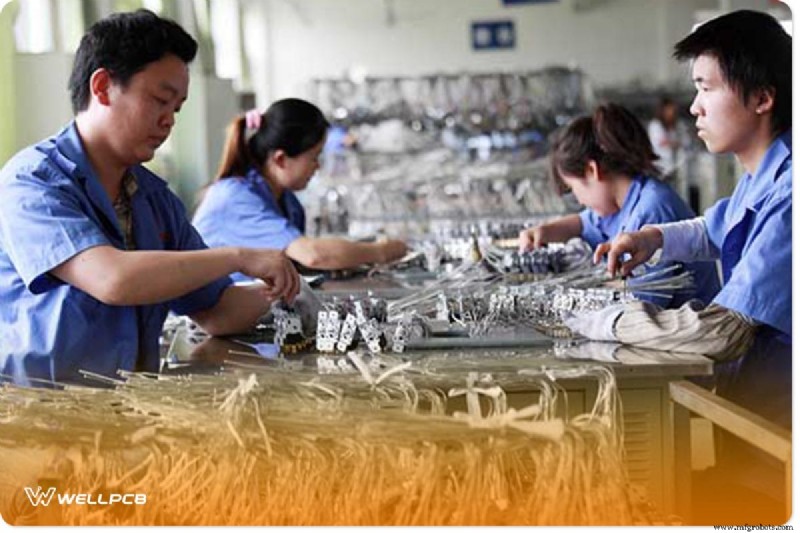
Where a PCB is manufactured has a direct impact on labor expenses. Skilled technicians and precision machinery raise the cost of production, so many manufacturers choose locations with lower labor rates. For example, a three‑day turnaround in North America averages about $1,100 per board, whereas the same order in China costs roughly $545. However, overseas production adds shipping, handling, and communication costs that can offset the savings, and hidden issues may arise that inflate the final price.
Automated Assembly
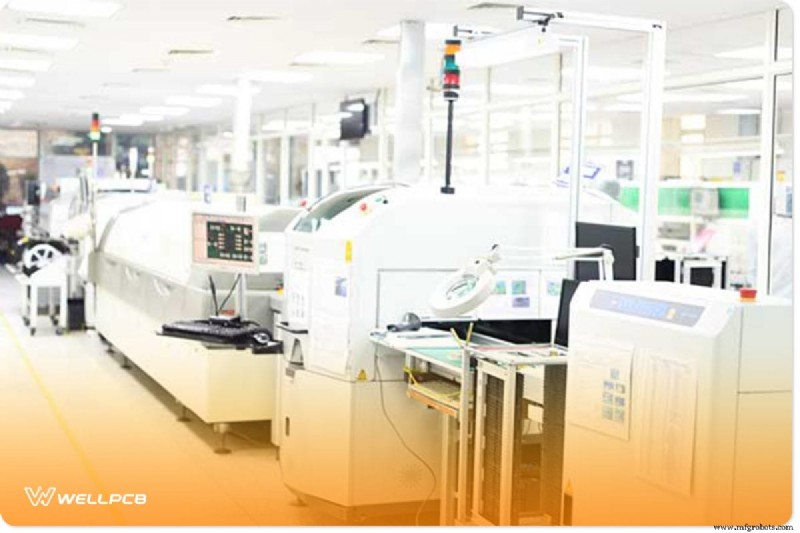
Automation streamlines many tasks—pick‑and‑place, solder paste dispensing, wave soldering—but it also introduces higher capital and maintenance costs. Advanced machines, such as high‑speed pick‑and‑place units, offer superior accuracy and throughput, yet they command premium pricing. As a result, automated production lines often cost more than manual assembly for complex or low‑volume orders.
Process Cost Drivers
Every additional manufacturing step adds to the bill: component prep, rework, X‑ray inspection, functional testing, and waste disposal. While these steps improve reliability, they increase material usage, energy consumption, and labor time. Eliminating or consolidating steps can reduce costs but may compromise quality, so careful process design is essential.

Volume and Economies of Scale
Large batch orders spread fixed costs—setup, programming, tooling—over more units, driving down the per‑board price. Conversely, single‑unit or low‑volume runs incur a higher share of these one‑time expenses. Manufacturers that can handle high volumes offer the best price advantage for customers with substantial order sizes.
Turnaround and Delivery Time
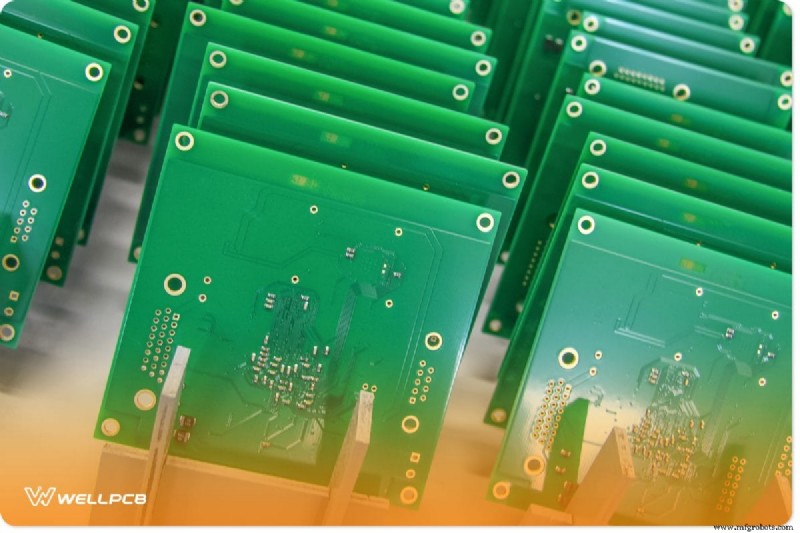
Fast turnaround can increase assembly costs by up to 33% or more, as plants must re‑prioritize orders and potentially run overtime. Expedited shipping further adds to the expense. If schedule flexibility is crucial, budgeting for these premium services is unavoidable.

Specialized Packaging and Handling
Components such as Ball‑Grid Arrays (BGAs) require meticulous handling, X‑ray inspection, and special soldering techniques. The added labor and equipment for these parts can significantly raise the cost per board, especially in small runs where the overhead is spread over few units.

Component Preparation Requirements
Boards with flexible substrates or unique form factors often demand custom components or prep steps. These unique requirements increase the BOM complexity and can drive up the overall cost if not carefully managed.
Unclear Bill of Materials (BOM)
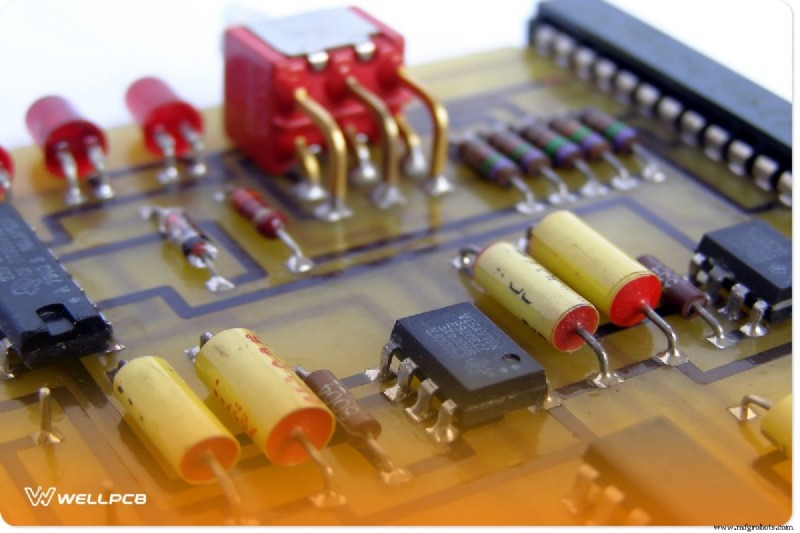
An ambiguous BOM—missing part numbers, inconsistent quantities, or duplicate entries—can lead to mispricing and order delays. Accurate BOMs, including reference designators, part numbers, manufacturers, and unit prices, are essential to prevent cost overruns.

Comprehensive Bill of Materials
A well‑structured BOM lists every component, SMT method, footprint, and replacement part. This transparency allows manufacturers to optimize sourcing, reduce waste, and maintain consistency, ultimately lowering assembly costs.
Engineering Support
Dedicated engineering teams handle design review, prototyping, test plan development, and failure analysis. While their expertise adds to the cost, it often saves money by catching issues early, preventing costly rework or recalls. Boards built with engineering support typically achieve higher reliability.

Conclusion
PCB assembly costs are shaped by a complex interplay of labor, automation, process steps, volume, timing, and component handling. Understanding each driver enables manufacturers and customers to make informed decisions that balance cost, quality, and schedule.
At WellPCB, our seasoned engineers specialize in cost‑effective assembly without compromising quality. Contact us to discuss how we can deliver reliable, affordable PCBs tailored to your project needs.
Industrial Technology
- Choosing the Right Mold Materials: A Comprehensive Guide
- Precision CNC Machining for Stainless Steel | Aero Spec Engineering
- 8 Key Benefits of 5‑Axis Machining Centers for High‑Performance Production
- Design for Manufacturability (DFM): A Comprehensive Guide to Cost‑Effective Production
- Aero Spec Engineering: Precision 3‑4‑5 Axis CNC Manufacturing for Aerospace & Automotive
- Using Commutating Diodes to Protect Inductive Loads
- Calculate the Ideal Battery Bank Size: A Practical Guide & Calculator
- DIY Voice Modulator Circuit: Build Your Own Voice Changer
- TIP31C Transistor Pinout & Technical Guide for NPN Power Applications
- PrimeTurning: The First All‑In‑One Tool for Forward and Back Turning