



Expert Guide to Machining, Maintaining, and Handling Brass CNC Parts
Brass—an alloy of copper and zinc—continues to be a cornerstone of precision manufacturing. Its superior thermal conductivity, robust corrosion resistance, and natural luster make brass CNC parts indispensable in industries ranging from automotive sub‑assemblies to high‑end electronics. Yet, delivering parts that meet tight tolerances and pristine finishes demands disciplined machining, meticulous maintenance, and careful handling. Without professional rigor, manufacturers can experience tool wear, work‑piece deflection, or surface tarnishing that compromise performance and aesthetics.
What drives successful brass CNC machining? Three pillars underpin every high‑quality brass component: choosing the right alloy grade (e.g., C360, C464), optimizing cutting speeds and feeds, and enforcing strict contamination, thin‑wall deflection, and handling controls.
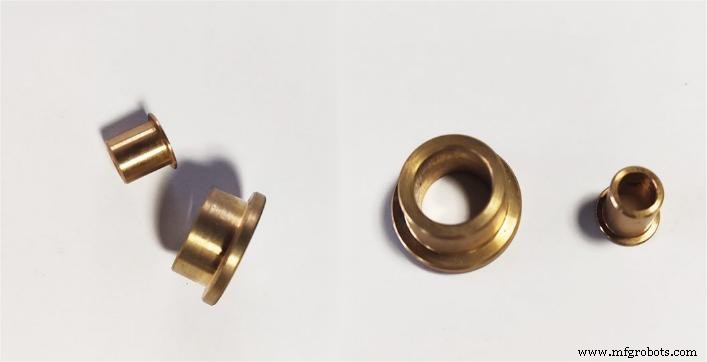
Mastering brass machining requires a deep understanding of material behavior and the application of precise mechanical techniques. As CNC materials engineers, we balance tool mechanics with metallurgical traits to maximize yield and structural fidelity.
Choosing the Right Brass Alloy
Selection of the appropriate brass grade is the first decisive step. Brass comes in many grades, each with distinct machinability, strength, and environmental resilience:
| Brass Alloy Grade | Common Name | Key Characteristics & Best Applications |
|---|---|---|
| C360 | Free‑Cutting Brass | Excellent machinability; trace lead content provides inherent lubrication—ideal for high‑speed operations. |
| C385 | Architectural Bronze | Good machinability and corrosion resistance—suitable for decorative and structural uses requiring precision. |
| C464 | Naval Brass | Superior strength and exceptional corrosion resistance—perfect for marine environments and heavy‑industry parts. |
Tool Selection and Geometry
Tool design governs the thermodynamic and mechanical stresses experienced by brass. High‑speed steel (HSS) or carbide tools are preferred for their longevity and wear resistance. Positive rake angles and sharp edges reduce cutting forces and improve chip evacuation. Coated tools—such as TiN or TiCN—extend life and lower friction, preventing localized heat buildup.
Cutting Speeds and Feeds
Brass’s high thermal conductivity permits high cutting speeds. Typical Vc values range from 120 to 300 m/min (400–1,000 ft/min), depending on tool material and operation. Feed rates must balance productivity and surface finish:
- Roughing: 0.1–0.3 mm/rev (0.004–0.012 in/rev) for rapid material removal.
- Finishing: 0.05–0.15 mm/rev (0.002–0.006 in/rev) to achieve fine Ra values.
Thin‑Wall Brass Part Optimization
Thin‑walled brass is prone to deflection under clamping forces due to its lower modulus of elasticity. Use custom jaws or soft fixtures to distribute load evenly and avoid crushing stresses. Reduce cutting parameters to the lower end of the envelope: shallow depth of cut, conservative feed, and minimal radial forces. Separate roughing and finishing cycles—aggressive cuts remove bulk when rigidity is high, while shallow passes (0.5–2 mm) preserve structural integrity during final stages.
Cooling, Chip Control, and Workholding
Water‑soluble coolants manage heat and mitigate tool wear; for demanding jobs, non‑ferrous cutting oils lower friction. Chip control is critical—tools with built‑in chip breakers prevent long, stringy chips that can wrap around the spindle. Prompt chip removal protects the workpiece from micro‑scratches. Real‑time monitoring and adaptive control systems adjust parameters automatically based on tool wear, forces, and vibrations.
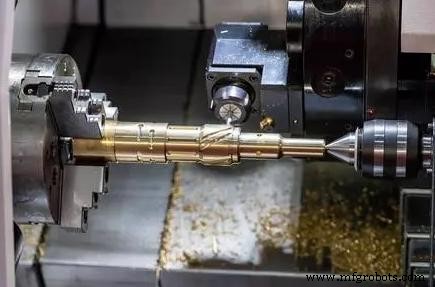
Maintaining Brass CNC Parts
Longevity and performance hinge on diligent maintenance: preserving surface finish, preventing corrosion, and employing effective cleaning and storage.
Surface Finish and Corrosion Resistance
- Polishing: Mechanical polishing uses progressively finer abrasives for a mirror‑like finish. Chemical polishing with phosphoric acid or brass‑specific compounds removes microscopic layers, enhancing luster.
- Buffing: Soft buffing wheels with fine compounds produce high‑gloss finishes; uniform pressure and consistent motion avoid overheating.
- Electroplating: A thin nickel or chrome layer boosts hardness and protection. Thorough cleaning before plating ensures adhesion and prevents failures.
Protective Coatings and Passivation
- Lacquers & Varnishes: A clear coat offers durable protection. Parts must dry completely before spraying or brushing and then cure without interruption.
- Wax Coatings: Easy to apply and remove, wax provides temporary protection—ideal for decorative brass items.
Cleaning and Long‑Term Preservation
Routine cleaning stops dirt and oxidation buildup. Use mild, non‑abrasive brass cleaners or a warm soapy solution, rinse thoroughly, and dry with a soft cloth. For tarnish, a vinegar‑flour paste or commercial tarnish remover restores original luster. Store in a dry environment: include silica gel packets, anti‑tarnish paper, and cushioning foam or bubble wrap. Maintain a controlled humidity level and perform regular inspections, documenting all maintenance actions.
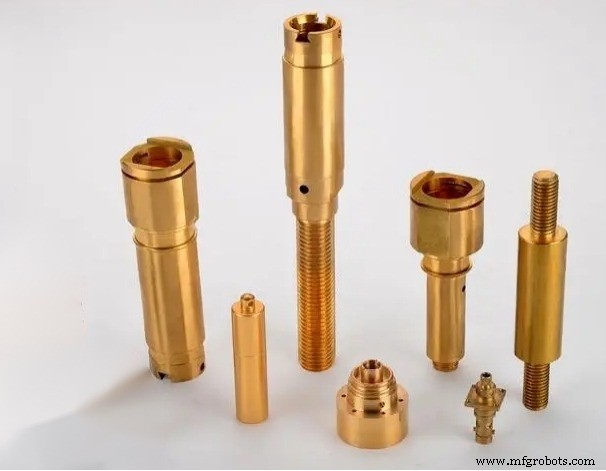
Handling Brass CNC Parts
Proper handling preserves integrity and function. Mishandling can cause physical damage or contamination, undermining performance.
Safety Precautions and Operator Guidelines
Operators should wear PPE: nitrile or latex gloves to prevent skin oils from staining brass, safety glasses to shield against fragments, and, for electronic applications, ESD‑safe gloves, grounding straps, and a grounded workstation. Keep work areas clean and organized to avoid accidental scratches.
Troubleshooting Common Manufacturing Issues
| Issue | Root Cause | Solution |
|---|---|---|
| Burrs & Sharp Edges | Shearing during exit cuts | Deburr with manual tools, files, or abrasive pads; consider vibratory tumbling calibrated for brass. |
| Dimensional Inconsistencies | Thermal drift, tool wear, vibration | Calibrate CNC regularly, implement FAI and in‑process inspections. |
| Surface Scratches & Dents | Improper stacking or rough handling | Use soft, non‑abrasive padding; avoid stacking directly without protection. |
| Surface Contamination | Residues from fluids or hands | Clean tools and parts with degreasing agents; ensure thorough rinsing before assembly. |
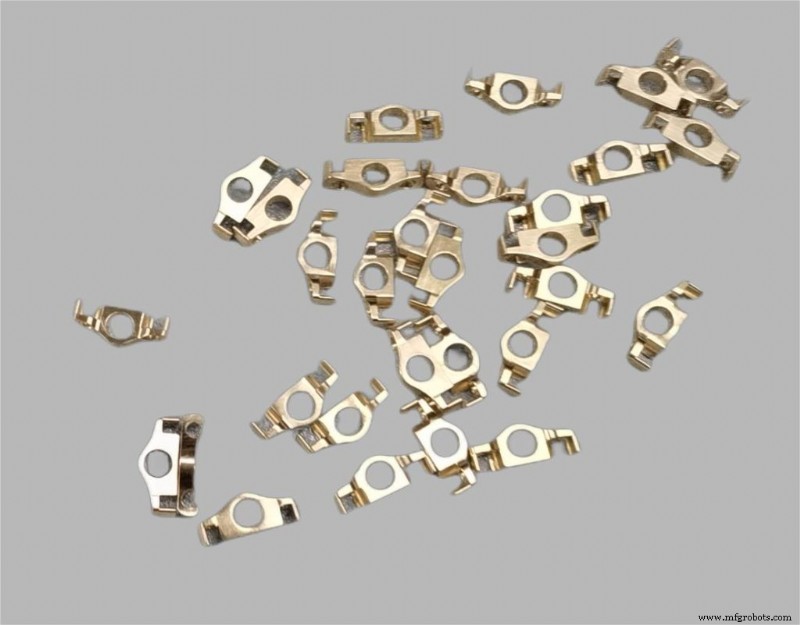
Conclusion
Adhering to these best practices elevates machining efficiency, extends part life, and preserves aesthetic appeal. Selecting the right alloy, employing optimal machining techniques, and implementing rigorous maintenance and handling protocols together deliver high‑quality brass components. Continuous improvement—adapting practices to your specific environment—further enhances production outcomes.
Looking for a Reliable Brass CNC Machining Partner? High‑tolerance, thin‑walled brass parts demand seasoned expertise and advanced capabilities. Contact JTR Machinery for quality products and dedicated support tailored to your engineering specifications.
Related Articles
Industrial Technology
- Semiconductor Manufacturing: Driving Innovation Through Precision and Advanced Software
- How to Wire a Double 3-Way Combination Switch Device: A Complete Installation Guide
- Professional Sheet Metal Corner Finishing: Chamfers & Radii
- Manufacturing Operations Management: A Comprehensive Guide to Shop‑Floor Control and Operational Excellence
- E3.Student – Free Study Edition for Engineering Students
- Why Routine Maintenance Is Critical for Superior Laser Cutting Quality
- Solar Cell Parameters & PV Panel Characteristics: A Comprehensive Guide
- Invar 36 Components: Materials, Properties, and Trusted Purchasing
- Maximize Your CMMS Trial: Tips for Successful Evaluation
- Maximize Efficiency: Industrial Control Panel Optimization for Machinery