



Chrome vs. Nickel Plating: How to Select the Ideal Surface Finish for Your Product
Across every industry, surface finishing is critical—it protects components, enhances aesthetics, and improves performance. Chrome plating and nickel plating are two of the most widely used methods, each offering unique advantages. Engineers, materials scientists, and procurement professionals must understand their chemical, mechanical, and regulatory differences to choose the right finish for each application.
What Is Chrome Plating?
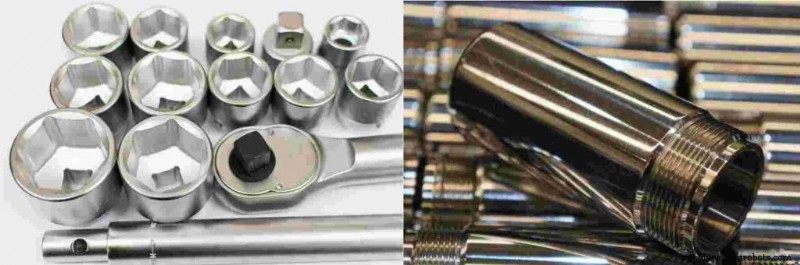
Chrome plating, or chromium electroplating, deposits a thin chromium layer onto a metal part via an electrochemical bath. The process begins with meticulous cleaning and surface preparation to ensure optimal adhesion. Once the part is immersed in a chromium‑ion solution and an electric current is applied, the ions bond to the surface, forming a hard, glossy coating.
The result is a mirror‑like finish that delivers excellent corrosion resistance, low friction, and superior wear and abrasion resistance. The coating’s high hardness also boosts surface durability, making it ideal for high‑wear or high‑visibility components.
Typical Applications
- Automotive: bumpers, grilles, and trim that require a premium appearance and protection from the elements.
- Home furnishings: faucets, handles, and kitchenware that benefit from a sleek, reflective finish.
- Industrial machinery: moving parts that need reduced friction and enhanced lifespan.
- Aerospace: critical components exposed to extreme temperatures and corrosive environments.
What Is Nickel Plating?
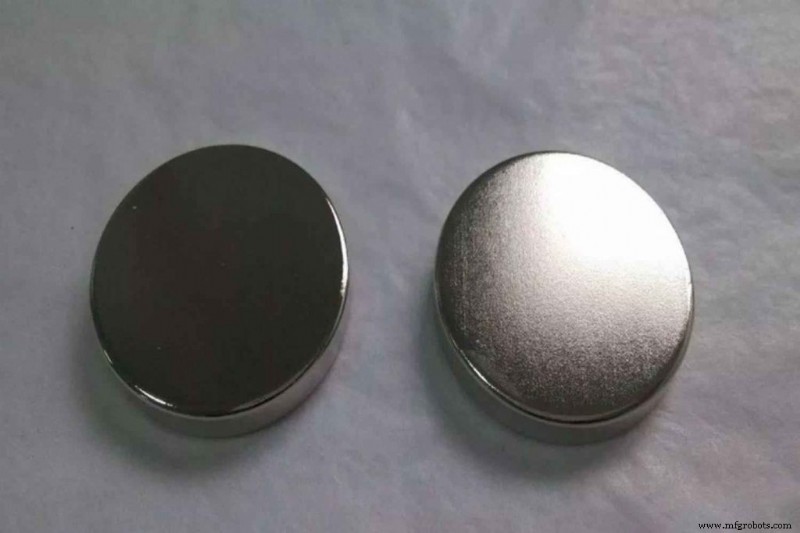
Nickel plating is an electroplating process that applies a uniform layer of nickel onto a substrate using a water‑based electrolyte. Nickel is renowned for its excellent corrosion resistance, good wear properties, and high electrical conductivity. The resulting finish is a warm, silver‑like sheen that resembles stainless steel.
Nickel’s ductility allows the coating to flex with the base material, minimizing the risk of cracking under stress. Its uniform thickness also supports reliable electrical connections in electronic assemblies.
Typical Applications
- Electronics: connectors, switches, and PCB components that demand high conductivity and corrosion protection.
- Automotive: internal engine parts such as pistons and cylinder liners that endure heavy wear and temperature cycles.
- Consumer goods: faucets, doorknobs, and other fixtures where both style and durability are essential.
- Aerospace: components that must withstand harsh atmospheres and high temperatures.
Technical Comparison: Chrome vs. Nickel
Below is a concise side‑by‑side review of key properties that influence performance and cost.
| Property | Chrome Plating | Nickel Plating |
|---|---|---|
| Appearance | Mirror‑like, bright, blue‑white | Warm, silver‑like (stainless‑steel look) |
| Hardness & Wear | Very high hardness; excellent scratch resistance | Moderate to high hardness; strong abrasion resistance |
| Ductility & Stress Tolerance | Low ductility; may crack under flexing | High ductility; maintains integrity under bending |
| Electrical Conductivity | Moderate | Excellent |
| Thickness Flexibility | Limited thick‑layer capability | Consistent, uniform thick layers possible |
Operational & Environmental Considerations
Chrome Challenges
- Regulatory burden: Hexavalent chromium is carcinogenic, requiring stringent safety, containment, and waste‑management protocols.
- Thickness limitations: Thick chrome layers are difficult to achieve and may compromise adhesion.
- Higher cost: Complex chemistry and compliance overhead drive up the price.
Nickel Challenges
- Allergy potential: Nickel can trigger skin reactions, limiting its use in direct‑contact consumer products.
- Waste handling: Nickel baths generate effluents that must be treated before discharge.
- Geometric constraints: Achieving uniform coverage on deep recesses or tight corners can be challenging.
Decision‑Making Guide
Choosing the right finish requires balancing functional requirements, budget, and regulatory constraints. Use the following checklist:
- Functionality: For decorative, high‑visibility parts that demand scratch resistance and a glossy look, chrome is preferable. For components that require high conductivity, ductility, or thicker protective layers, nickel is the better choice.
- Aesthetics: Chrome offers a bright, reflective appearance; nickel delivers a subtle, elegant silver tone.
- Compliance: Evaluate local regulations on hexavalent chromium and nickel waste. Select suppliers with proven compliance records or consider alternative eco‑friendly plating options.
- Cost: Chrome plating typically incurs higher material and labor costs compared to nickel plating.

Frequently Asked Questions
Q1: Is chrome plating more expensive than nickel?
A1: Yes. The higher cost reflects the complex chemistry of hexavalent chromium, the need for extensive safety measures, and lower deposition efficiency.
Q2: Which provides better corrosion protection?
A2: Both offer strong corrosion resistance, but they perform differently. Chrome forms a hard, chemically inert barrier that excels in static environments. Nickel’s ductility allows it to flex with the substrate, providing durable protection in dynamic or thermally cycling parts.
Industrial Technology
- Connect Your Automatic UPS or Inverter to Home Power: A Step-by-Step Guide
- 8 Expert Tips to Reduce Sheet Metal Fabrication Costs
- Fast-Tracking a Contactless Supply Chain: Embracing Touchless Technology
- Mastering Additive Material Chemical Compatibility: Expert Insights & Easy-to-Read Charts
- Build an LED Sequencer with 555 Timer & 4017 Counter – Frequency Division & Debounce
- Dynamic Machining: Trusted Experts in CNC Metalworking
- B2B Manufacturers: Proven Strategies to Strengthen Customer Relationships
- Robotics & Automation: The Key to Solving Labor Cost and Staffing Challenges for Small & Medium Manufacturers
- Mastering Global Complexity for a Safe, Profitable Petrochemical Megaproject
- Mastering Analyzer Calibration for Reliable Process Measurements