



Extrusion vs. CNC Machining of Aluminum: Which Is More Cost‑Effective?
When engineers source aluminum parts, the first choice often is whether to extrude the profile or machine it from a solid billet. Both methods deliver high‑quality results, but their costs and ideal applications differ markedly. Selecting the wrong process can silently inflate per‑part expenses before the first unit ships.
This guide breaks down the core differences between extrusion and CNC machining, explains where the money actually goes in each process, and shows how a hybrid extrusion‑machining strategy can reduce CNC costs without sacrificing precision. Whether you’re designing a new profile or reviewing an existing workflow, this is the information you need.
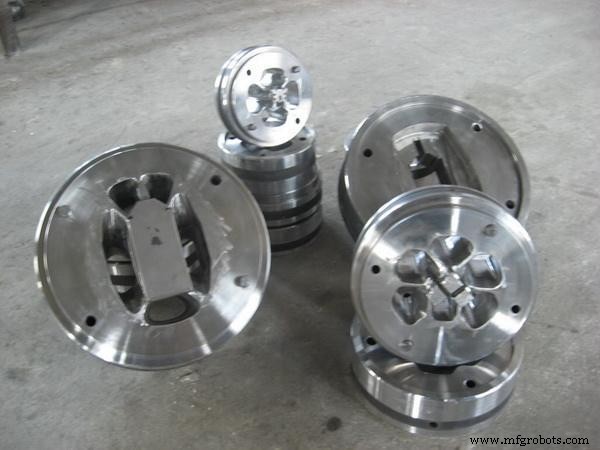
Understanding the Core Difference Between Extrusion and CNC Machining
Both processes are mature, proven techniques for working with aluminum, yet they serve distinct design goals and production scenarios.
- CNC Machining: CNC‑controlled cutting tools remove material from an aluminum billet until the desired shape is achieved. It can accommodate virtually any geometry with tight tolerances, but the removed material becomes chips and scrap.
- Metal Extrusion: A near‑net‑shape forming process in which heated aluminum is forced through a custom steel die. The cross‑section is formed directly, yielding long, continuous profiles with minimal material loss.
CNC Machining Cost vs. Extrusion Cost: Where Does the Money Go?
The cost gap between the two methods may not be obvious at the quoting stage, but it becomes clear during production. Key drivers include:
- Material Waste: CNC machining generates a large volume of aluminum chips that never become part of the final component. In complex cross‑sections, the buy‑to‑fly ratio can be high—starting billets may weigh several times more than the finished part. Extrusion, by contrast, produces the near‑finished shape from the die, vastly improving material utilization.
- Tooling & Setup Fees: CNC requires fixtures, workholding, and perishable cutting tools that need frequent replacement. Extrusion requires a custom steel die upfront—an initial investment that pays off as the die runs for thousands of parts with minimal additional tooling cost.
- Cycle Times: An extruder can feed meters of profile per minute. Machining a complex cross‑section from a solid billet involves many passes and tool changes, adding machine time and directly driving up CNC costs.
These factors shape the total cost picture for any part. The table below summarizes how the two processes compare across key cost dimensions.
| Cost Factor | Metal Extrusion | CNC Machining from Solid |
|---|---|---|
| Upfront Investment | Medium (die cost) | Low (no dedicated tooling) |
| Material Utilization | High (near‑net‑shape) | Low (significant scrap) |
| Per‑Part Cost at High Volume | Typically lower | Often higher for profile‑based parts |
| Speed of Scaling | Fast | Slower |
The Hybrid Strategy: How Extrusion Machining Reduces Overall Costs
In practice, the most economical approach is rarely pure extrusion or pure machining. It’s a smart blend—extrusion machining—that cuts CNC costs while retaining dimensional flexibility.
- Near‑Net‑Shape Efficiency: Start with an extruded profile that already captures the fundamental cross‑section—channels, flanges, internal cavities—eliminating most material removal that would otherwise occur on the CNC machine.
- Targeted Secondary Machining: Apply CNC only where necessary—threaded holes, precision mating faces, tight‑tolerance bores, or features not provided by the die geometry—reducing both time and cost.
- The Bottom Line: Beginning with an extruded profile means the machine starts with a near‑final shape. Machining time drops, tool wear lessens, and per‑part cost falls significantly, combining CNC’s dimensional flexibility with extrusion’s material efficiency.
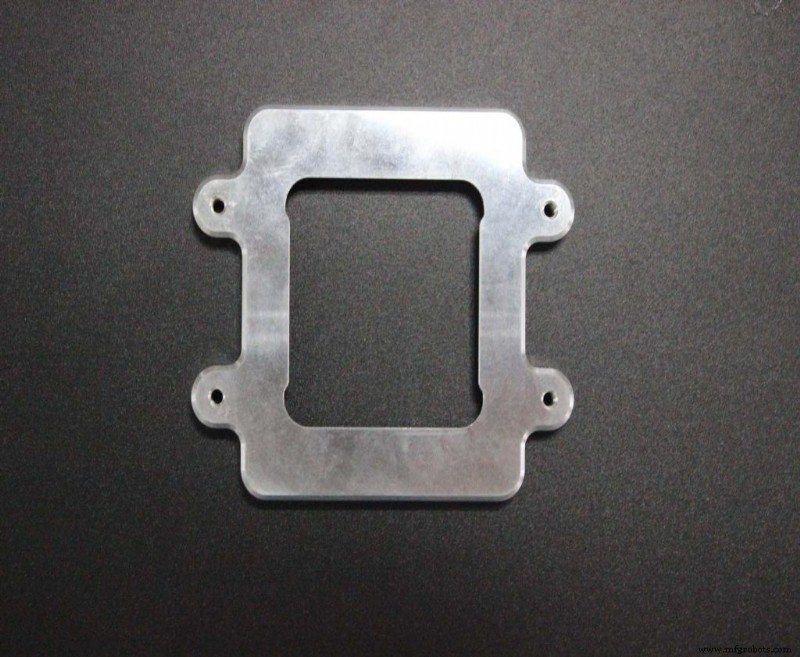
Choosing the Right Manufacturing Method
The optimal choice depends on part geometry, production volume, and tolerance requirements. Consider the following guidelines.
When to Use Extrusion for Your Metal Parts
- Consistent cross‑sections: The part maintains the same shape along its length—typical examples include heat sinks, frames, structural rails, enclosures, or sliding channels.
- Medium‑to‑high volume: Extrusion becomes more economical once the die cost is amortized—per‑part costs drop significantly as volume increases.
- Material efficiency is a priority: When raw aluminum cost drives the budget, near‑net‑shape production delivers a real advantage.
- Profile‑based surface features: Fins, grooves, hollow sections, and similar geometry naturally fit the extrusion die.
When to Use CNC Machining
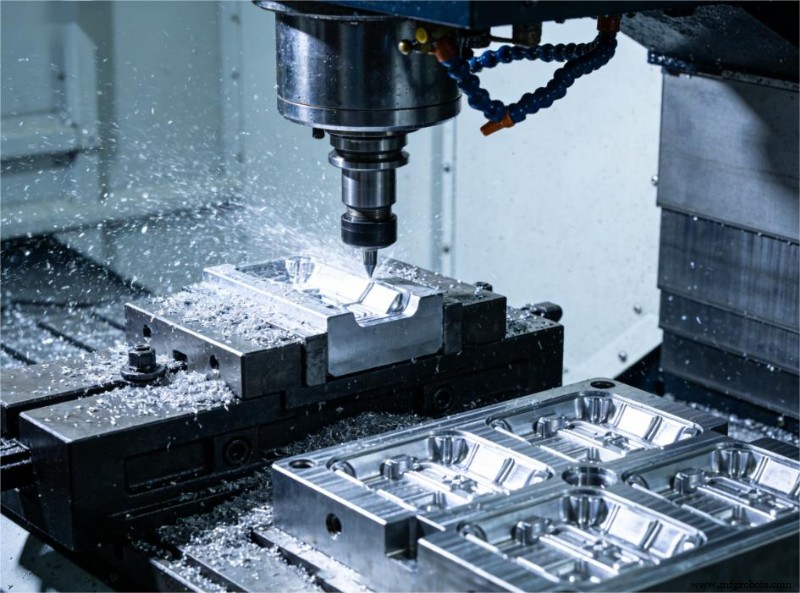
- Fully 3D geometry: Parts lacking a constant cross‑section—such as housings with pockets on multiple faces or brackets with compound curves—are better suited to CNC.
- Non‑uniform cross‑sections: Components whose shape varies significantly along the axis require subtractive or casting methods.
- Highly complex internal features: Multi‑axis CNC excels at deep pockets, undercuts, slanted bores, and intricate internal channels.
- Tight tolerance requirements: CNC is typically more reliable for very tight dimensions or positional tolerances across several features. Extrusion’s thermal and process variations limit fine positional control.
- Low volume or prototypes: For low‑volume prototypes, CNC is more flexible and cost‑effective because it avoids die investment.
The table below maps the most common design parameters side by side.
| Part Parameter | Better Suited for Extrusion | Better Suited for CNC Machining from Solid |
|---|---|---|
| Cross‑section | Uniform / consistent along length | Varies or fully 3D |
| Volume | Medium to high | Low to medium |
| Wall Thickness | Thin, uniform walls | Variable wall thickness |
| Tight Precision Tolerance | Achievable with secondary machining | Directly achievable |
Ready to Optimize Your Manufacturing Strategy?
Choosing the right process at the outset is the single most effective way to control cost and lead time. The best method depends on geometry, tolerance, and volume.
If you’re evaluating a new design or unsure whether extrusion or CNC machining is the best fit, contact JTR for a free manufacturability review and quote.
Related Guides
Industrial Technology
- How to Choose the Right Cutting Fluid for Your Material: A Practical Guide
- Why RFID Is Risky for Military Asset Tracking: 3 Key Flaws
- Top 15 Cloud-Based Manufacturing Software for 2026: Boost Efficiency & Competitiveness
- Cut CNC Machining Costs: Proven Strategies to Reduce Time and Save Money
- Elevate Your Post-Pandemic Business: How Automation Drives Resilience and Growth
- Core Boolean Algebra Laws: Commutative, Associative, and Distributive Properties
- DVIRC Links Local Manufacturers with Healthcare Providers to Supply Protective Equipment Amid COVID-19
- Breakthrough Optical Fiber Achieves 1 Petabit/Second Transmission Speed
- Understanding Sandblasting: The Ultimate Surface Finishing Technique
- Ensuring COVID‑19 Safety in Educational Facilities with CMMS School Software