



Revolutionizing Automotive Design: The Power of Additive Manufacturing
Published on August 26, 2021
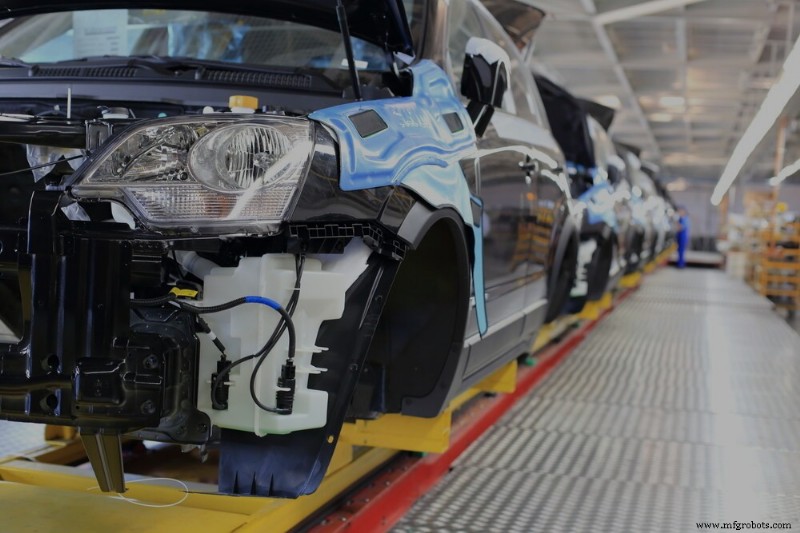
Originally published on fastradius.com on August 26, 2021
The automotive landscape is evolving rapidly. Manufacturers worldwide are forging strategic partnerships to streamline asset utilization, strengthen supply chains, and pivot toward recurring revenue models. As a result, many leaders are integrating advanced technologies—most notably additive manufacturing—into their production lines.
The benefits of using additive manufacturing in the automotive industry
Just six years ago, 16.1% of all additive manufacturing spending was allocated to automotive applications. In 2021 the sector was projected to purchase $530 million worth of 3D‑printing materials, and forecasts suggest the market could reach $9 billion in revenue by 2029. These figures underscore how quickly the industry is embracing 3D printing to drive innovation.
1. Speeding up prototyping
Prototyping remains a cornerstone of automotive design, allowing teams to validate fit, performance, and aerodynamics before mass production. Additive manufacturing shortens this cycle by enabling rapid creation of accurate, scale‑sized models. Designers can iterate virtually—tweaking geometry and testing performance—before printing, drastically reducing the number of physical prototypes needed. On‑site production of molds, jigs, and fixtures further accelerates development.
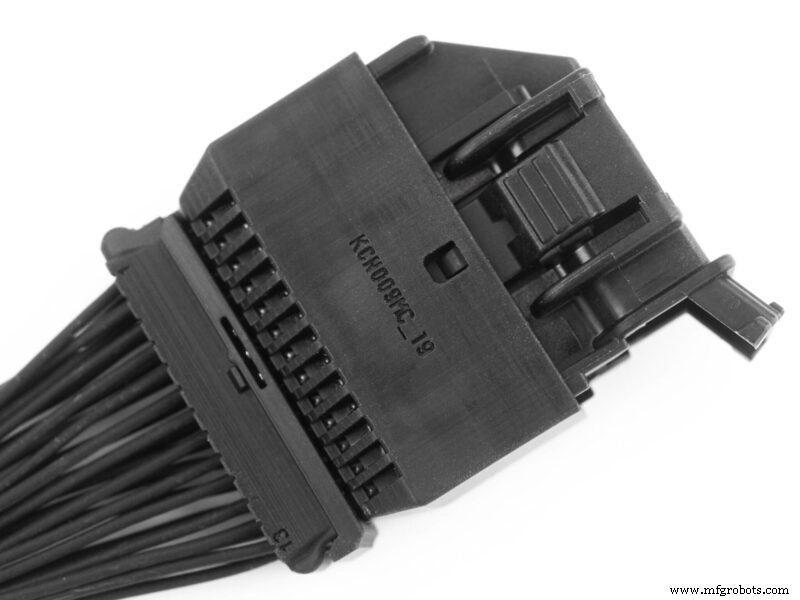 An electrical connector from TE Connectivity made with the Carbon Digital Light Synthesis™ platform
 2. Simplifying the supply chain
Complex supply chains are a hallmark of automotive manufacturing, often requiring extensive outsourcing and inventory of spare parts. Additive manufacturing allows components to be produced close to the final assembly line, cutting shipping costs, reducing lead times, and lowering waste. On‑demand printing of low‑volume or discontinued parts eliminates the need for large remote warehouses and cuts operational expenses.
3. Lightweighting
Weight reduction is critical for both fuel‑efficient gasoline vehicles and battery‑powered electric cars. Heavier vehicles demand larger, heavier batteries to meet range targets, which in turn increases overall mass. Using lattice generation and topology‑optimization tools, designers can fabricate complex, low‑weight structures that retain full functionality. This approach not only improves fuel economy but also enhances electric vehicle range.
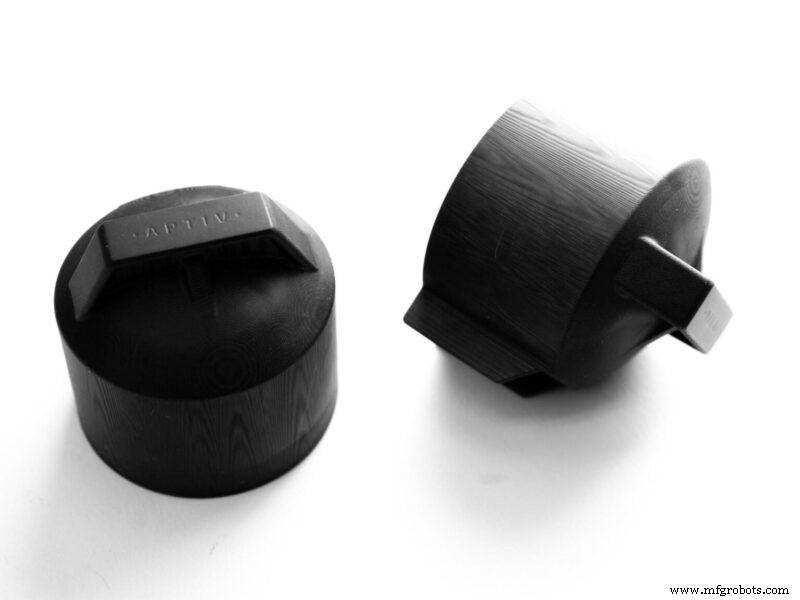 A trailer‑tow connector for Ford Super Duty Trucks, manufactured for Aptiv
 4. Supporting customization
Additive manufacturing excels at producing bespoke parts. Whether restoring a vintage model or offering driver‑specific aesthetic upgrades, 3D printing can deliver unique components without the cost of retooling. Customized assembly tools, tailored to specific vehicles or customer preferences, further improve production quality and efficiency.
Get started with additive manufacturing today
Today, automotive manufacturers are leveraging additive manufacturing to reduce costs, accelerate prototyping, simplify supply chains, and create lightweight, customized parts. As hardware, process automation, and materials continue to evolve, the potential for high‑volume, mass‑customized production grows.
Partner with an experienced automotive manufacturer like SyBridge. Our cloud‑based platform, advanced tooling, and expert team of machinists, designers, engineers, and advisors enable you to produce automotive‑grade parts with confidence. Contact us today to explore how additive manufacturing can transform your operations.
Industrial Technology
- Optimizing PCB Production: Leveraging Technology to Reduce Costs
- Comprehensive Quality Assurance Methods for Manufacturing Excellence
- Three Essential Rules to Ensure Analyzer Accuracy
- Top 3 Reasons to Upgrade Your Industrial Equipment Today
- Why PCB Assembly Services Need Cutting-Edge Design Software
- 433 MHz Radio Band Explained: A Comprehensive Guide to Low‑Power Wireless Communication
- Top 6 Tips for Buying Electronic Components Locally
- Switchgear Relays: Essential Features and Their Impact on Electrical System Reliability
- Cast vs Machined Aluminum: Selecting the Best Material for Your Application
- Understanding ITAR: Key Regulations, Compliance & How to Navigate Defense Export Controls