



Why Prototyping Is Critical for Product Design Success
Prototyping is the linchpin of modern product development. It slashes timelines, trims costs, and mitigates risk before production.
At its core, prototyping means building a fully functional model using materials and tolerances that mirror the final product. These “Engineering Check Prototypes” validate design intent, allow full functional testing, and often serve as the basis for compliance certifications from UL, FCC, TUV, CE, CSA, and others. While some certifications require actual molded parts, most can accept machined prototypes fabricated from production‑grade materials.
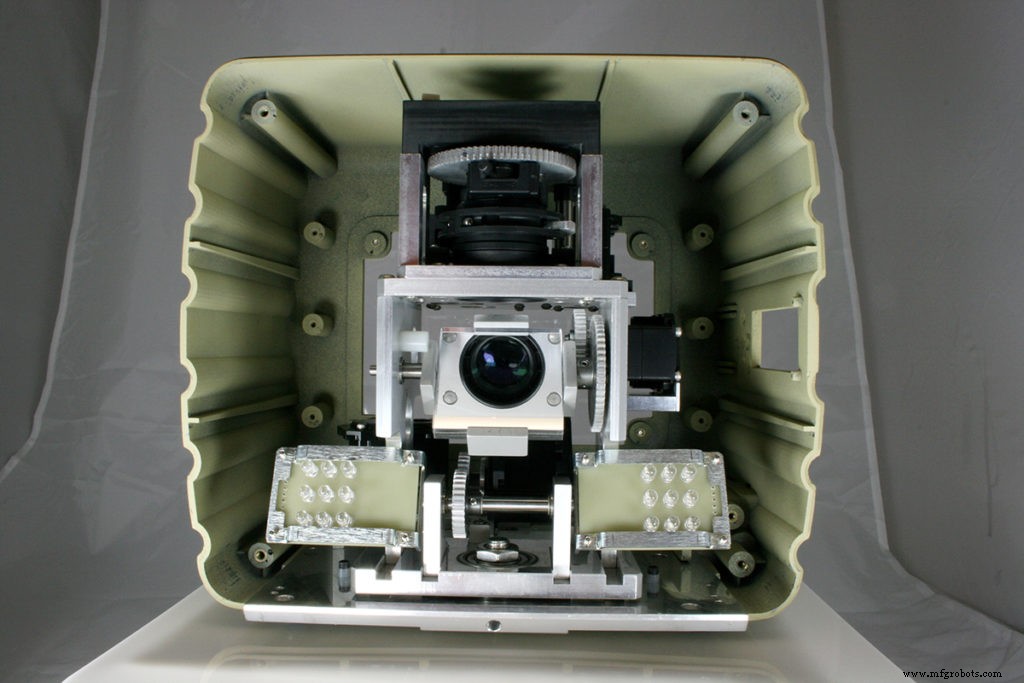
Beyond functional verification, prototyping is indispensable at every development stage: ergonomic studies, subsystem validation, and market acceptance testing. Digital products benefit similarly, with tools like Google’s Design Sprint accelerating prototype creation and user testing to within a week.
From concept to mass‑production, prototyping keeps teams aligned, ensures design integrity, and unlocks early market feedback. Below we detail the key prototype types and how they drive project success.
1. Physical Mock‑Ups
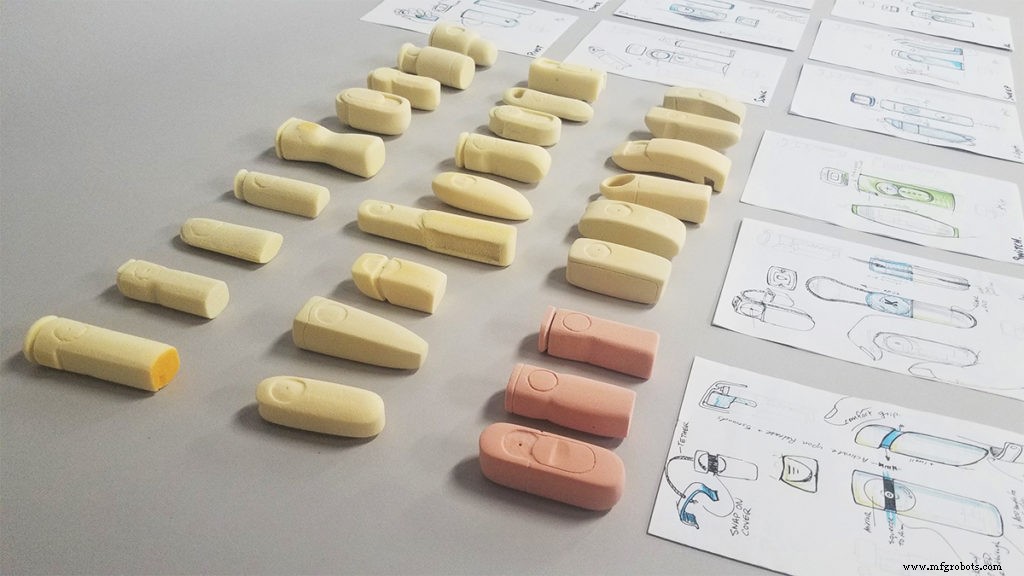
Early mock‑ups give stakeholders a tangible sense of shape, ergonomics, and usability. In one case, a glucose‑monitoring system required a 10% size reduction to meet market expectations—achieved after five rapid iterations of hand‑crafted models. Similarly, surgical tools that initially seemed fine in a focus group revealed critical design flaws only after surgeons interacted with a physical prototype, leading to a redesigned, industry‑leading arthroscopic wand.
2. Subsystem Functional Mock‑Ups & Test Mules
Subsystem mock‑ups test critical functions before full integration, embodying the “fail fast, fail early” principle. Test mules—modular rigs that vary size, angle, and position—enable rapid experimentation. For example, we built adjustable stands for surgical carts, allowing clinicians to evaluate display placement in real‑time, thereby refining ergonomics for high‑stakes environments.
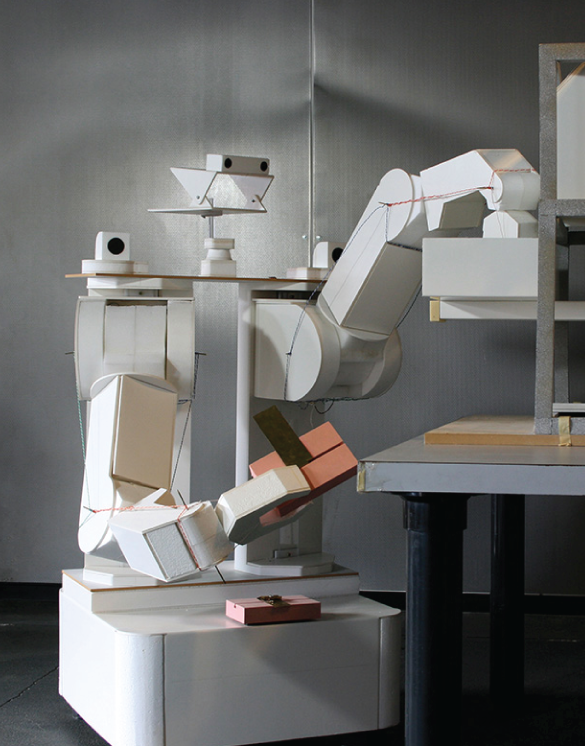
Mechanical test mules can validate concepts without final aesthetics, speeding iterations. In one project, a door needed to swing unobtrusively while remaining weightless. Using counter‑balanced gas springs and adjustable pivots, we tested dozens of configurations in hours, pinpointing the optimal design before committing to tooling.
3. Engineering Check Prototypes
These prototypes are produced from machine‑grade materials that match production stock as closely as possible. The process starts with precise 3D CAD files and QC drawings that detail material, tolerances, and surface requirements. CNC tooling paths are generated directly from these files, ensuring that the prototype reflects the intended manufacturing process.
When a prototype fails a test, we trace the issue back to dimensions, update the CAD model, and either re‑prototype or adjust the tooling release. This loop prevents costly late‑stage changes. For instance, we bonded two thick PC/ABS sheets with a solvent to simulate a custom thickness, providing accurate strength and weight data for the final product.
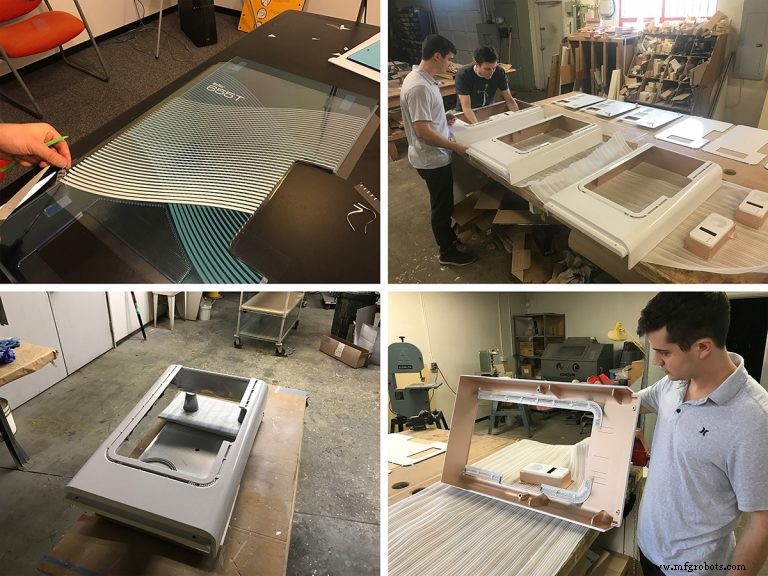
Complex elements—such as custom springs—are best validated through physical prototypes. Finite Element Analysis often underestimates spring force, so we build multiple variants (lighter, heavier, and the calculated model) to empirically identify the exact force needed. Though building five prototypes initially seems expensive, it’s far cheaper than serial one‑by‑one trials.
Beyond engineering, prototypes feed into market testing. Marketing teams can showcase real‑world models to gauge customer reactions, identify design tweaks, and refine packaging before production starts. Catching issues early saves expensive tooling revisions, assembly re‑training, and re‑certification cycles.
In summary, prototyping is the most effective way to validate assumptions, secure customer buy‑in, and safeguard manufacturing. Adopt rapid, iterative prototyping, and you’ll deliver a product that performs, complies, and delights.
Located in Menlo Park? Reach out today for expert prototyping support.
Manufacturing process
- Why Designers Are Returning to Natural Materials in Product Design
- Three Key Insights into Successful Product Development
- Essential Metal Fabrication Insights for Engineers: Design Optimization & Partner Selection
- Master PCB Fabrication: Essential Tips for Prototyping Success
- Generative Design Demystified: Key Insights for Engineers and Designers
- Silicon Bronze Explained: Key Properties and Benefits
- The Crucial Role of Industrial Design Prototyping in Product Development
- Essential Guide: 5 Key Insights for Product Designers on Sheet Metal Prototyping
- Understanding Inline Planetary Gear Reducers: Key Features & Applications
- Essential Guide to Chip Vacuum Cleaners for Industrial Safety