



Choosing Between 3D Printing and Machining for Prototypes: When Each Method Wins
Prototyping is a critical step in product development. Validating designs outside of CAD—by building physical parts—reveals issues that are invisible on screen. For most human‑scale components the choice boils down to two dominant methods: machining or 3D printing.
Historically, 3D‑printed parts were limited by brittle, costly materials and a rough finish. As additive manufacturing has evolved, however, it is increasingly competitive with machining for many applications. Selecting the right process now hinges on a careful assessment of cost, timeline, geometry, and material performance.
Below are five scenarios where 3D printing shines, followed by five situations where machining is the superior choice.
When 3D Printing Is the Better Choice
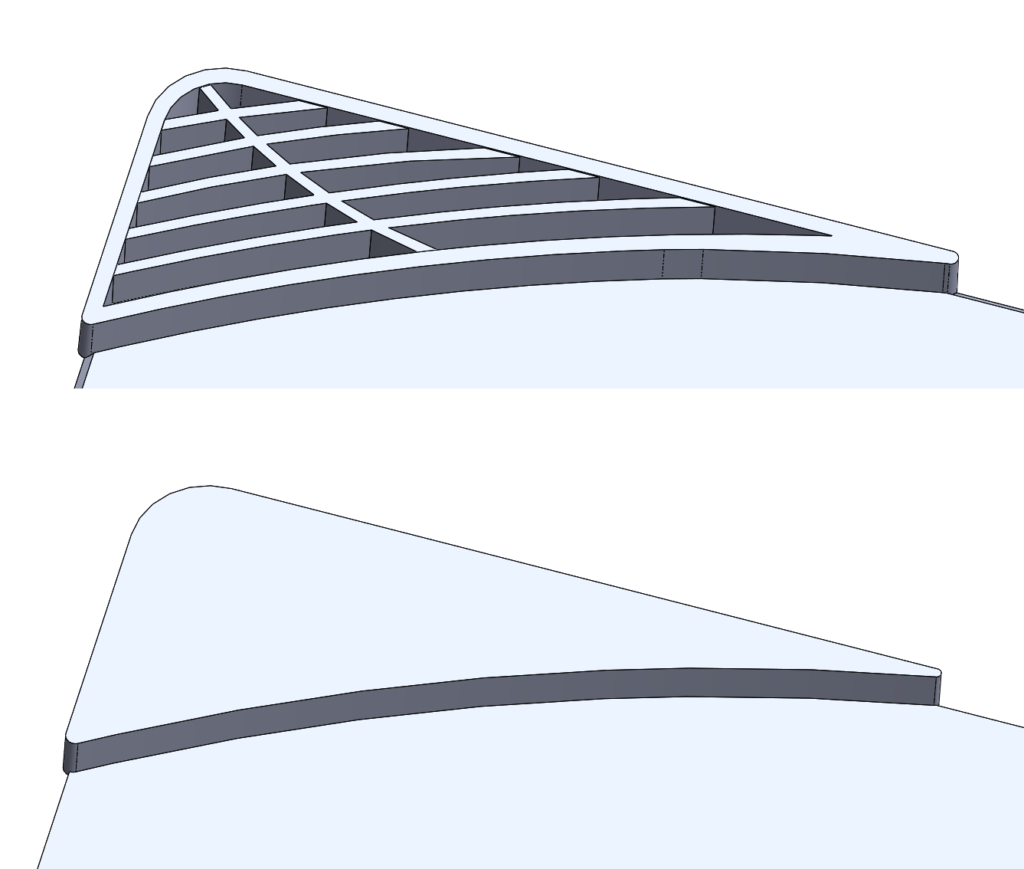
1. Highly Featured Parts – 3D printing adds detail at little to no incremental cost. Complex ribs, internal cuts, and extruded logos can reduce material usage and lower overall cost, whereas a machine shop would need multiple tool changes and higher labor rates.
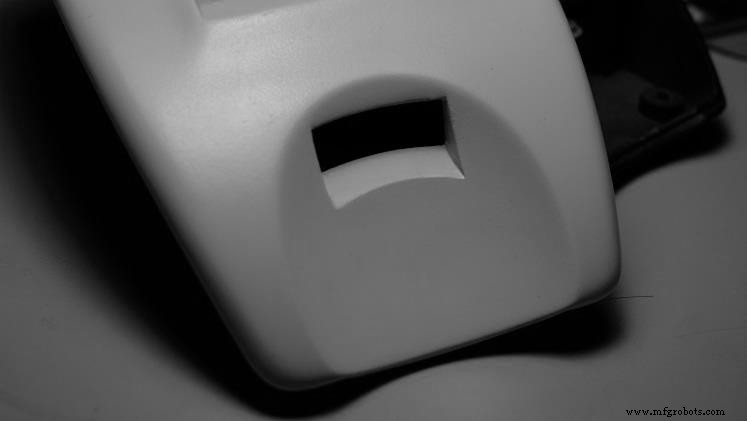
2. Visual Prototypes – When presenting to investors or clients, a photorealistic model can be critical. 3D printing produces parts that match the CAD geometry exactly, and surface finishes can be enhanced with paint, sandblasting, or polishing to mimic a final, to‑tooled product.
3. Fit‑and‑Trial with Existing Parts – When you need to fit a new component to an existing one—often without CAD data—3D printing lets you quickly test and iterate. Minor geometric tweaks can be made in days rather than weeks.
4. Ergonomic Testing – Rapid prototyping of handles, grips, or other ergonomically critical features is inexpensive and fast. Curved surfaces print in the same time as straight ones, unlike machining, which requires multiple finishing passes.
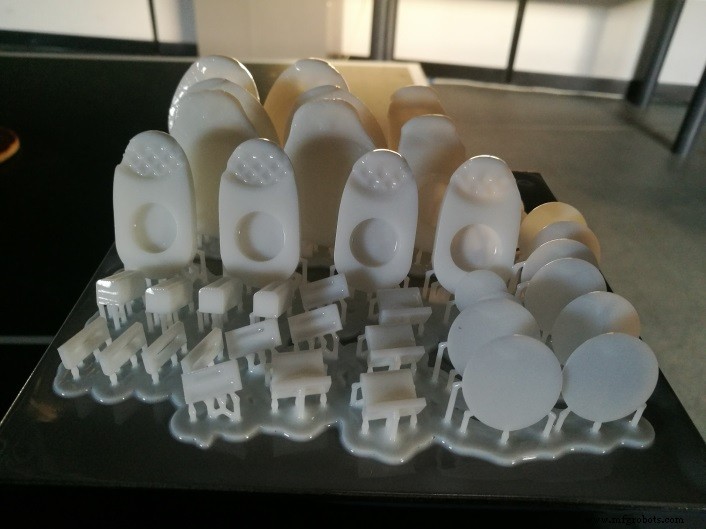
5. Assembly Mock‑ups – Complex assemblies benefit from full‑scale, printable mock‑ups. You can verify fit, clearance, and fastener accessibility in a real‑world setting before committing to tooling.
When Machining Is the Preferred Option
1. Tight Tolerances – Machining consistently delivers ±0.025 mm (±0.001”) accuracy. Even the best 3D printers rarely surpass ±0.05 mm, which may be insufficient for precision assemblies.
2. Material Performance
• Strength – While many polymers now print with good strength, machined parts made from the exact production material (e.g., aluminum, steel, or high‑grade nylon) retain superior impact and fatigue resistance.
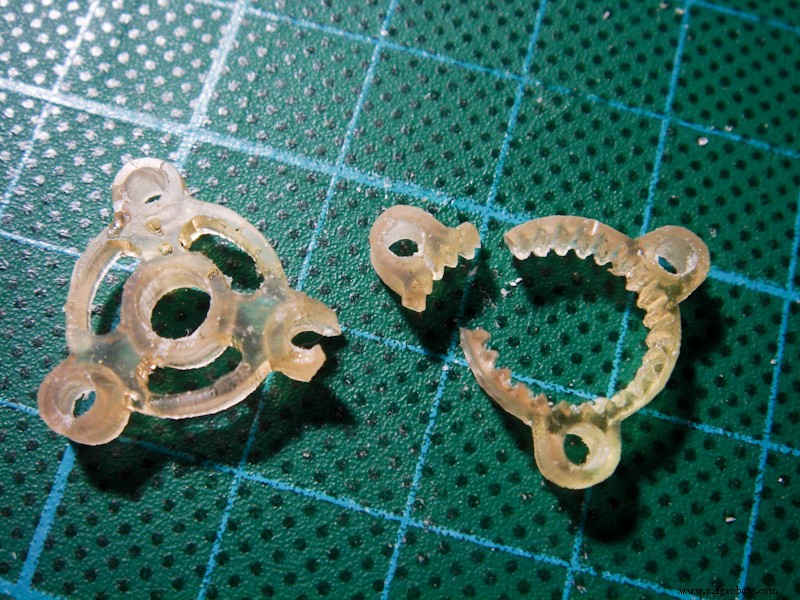
• Elastic Modulus – Buttons, latches, and other “feel” components depend on accurate flexural modulus. Machining ensures the prototype’s modulus matches the production part.
• Isotropic Properties – Layer‑by‑layer printing introduces anisotropy and visible striations. For parts that require uniform strength in all directions, a homogeneous machined block is preferable.
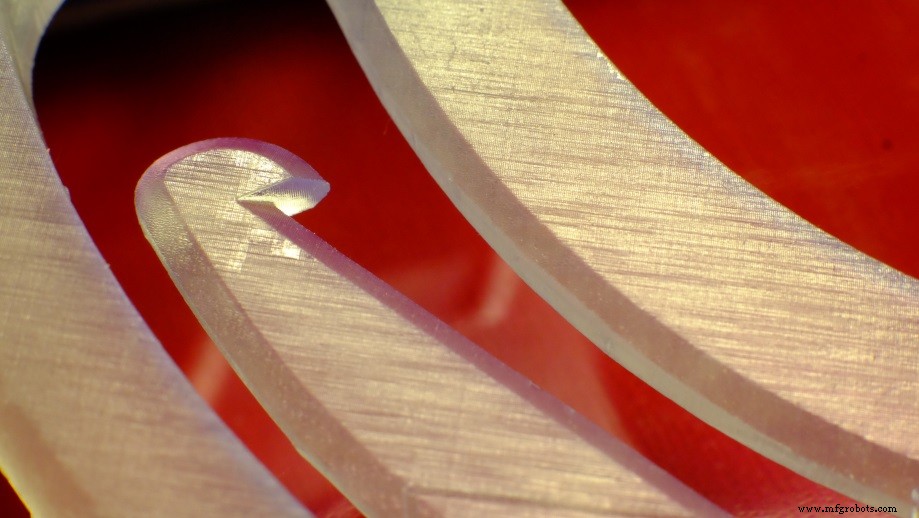
3. Process‑Specific Properties – If a prototype must mimic the properties of injection‑molded thermoplastics, resin‑based SLA prints (which are thermosets) may not provide the same pull‑out strength or thermal behavior as the intended material.
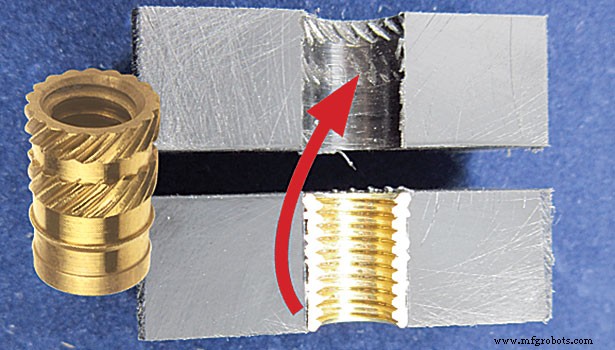
4. Large Volume Parts – Printing large parts is expensive due to machine cost and material waste. Machining inexpensive prototyping materials, such as 40 lb machinable foam or aluminum, often delivers a better cost‑per‑volume ratio.
In practice, the best prototypes often combine both techniques. For example, a 3D‑printed visual model can inform ergonomic decisions, while a machined component evaluates snap‑fit or threaded insertion. Communicate your final application to your prototyping vendor; most firms offer both services and can guide you toward the most efficient path.
Manufacturing process
- Revolutionizing Cars: How 3D Printing Is Transforming Automotive Design and Production
- Understanding the Metal FFF 3D Printing Process: From Printing to Sintering
- Retailers: Proven Strategies to Offset Rising Shipping Surcharges
- Mitigating Port Congestion: Strategies to Protect Your Supply Chain
- Accelerate Production: How Prototyping Enhances Your Manufacturing Process
- Transforming Prototyping: The Power of 3D‑Printed Tooling
- Accelerate Design with 3D Printing Prototypes: Boost Efficiency & Accuracy
- Industry 4.0 in Process Industries: Proven Steps to Boost Efficiency and Innovation
- Intel Edison IoT: Selecting the Right Mini‑Computer for Your Prototype
- Evaluating the Performance of Metal Parts Produced by FDM 3D Printing