



When to Use Magnets: Latches, Interlocks, and Attachments—Expert Guidance
Magnets can add remarkable functionality to a product when engineered correctly, but their performance depends on subtle design details that can make or break a feature.
Latching:
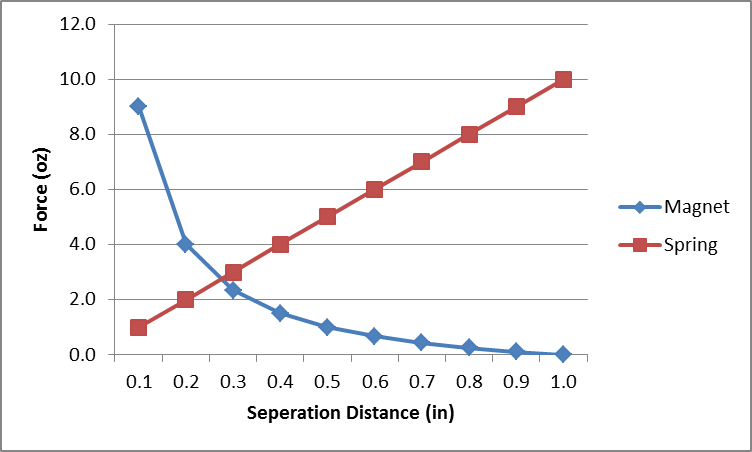
Magnetic latches are inexpensive and effective for applications where the door or panel is guaranteed to reach a fully closed position. Magnetic force drops steeply with distance—doubling the separation cuts the pull strength by about 75%—so they are unsuitable for pulling a door against a gasket or seal. For those scenarios, a mechanical draw‑latch is the safer choice.
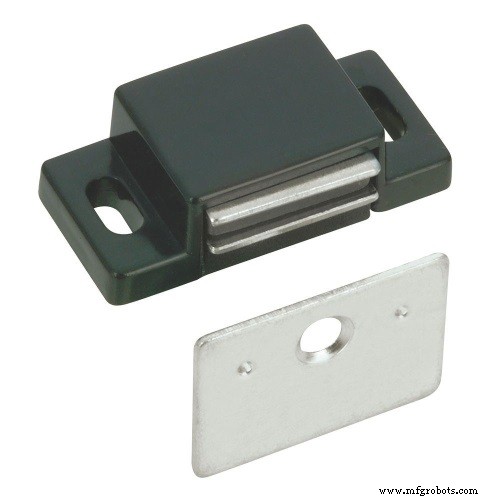
Similarly, magnets perform poorly as a clip for attaching wearable devices to clothing. Thicker fabrics increase the gap and reduce holding force. A spring‑loaded clip keeps the force rising with distance, ensuring the device stays attached even on a heavy sweater.
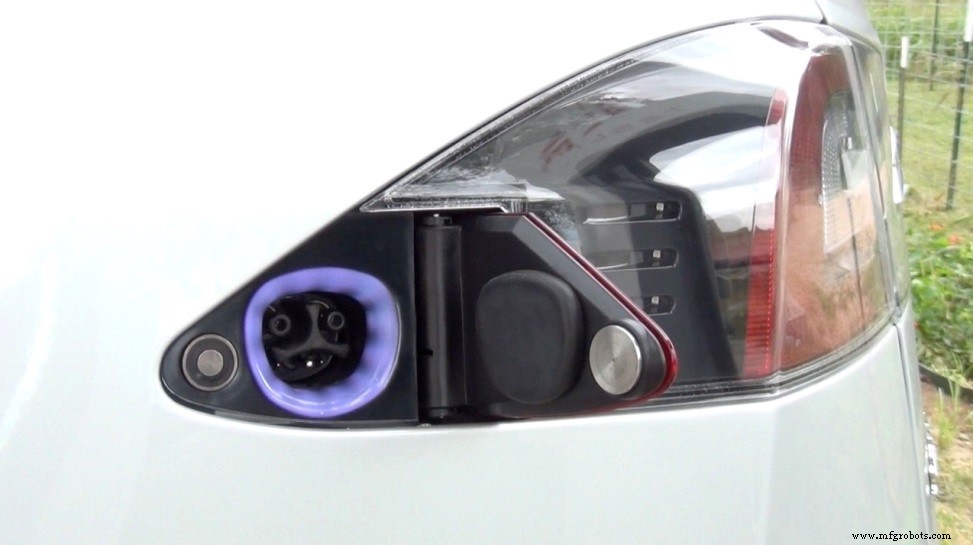
When a magnetic latch carries substantial load, the attachment point on the door must be robust. Adhesive alone can fail—Tesla Model S charging door latches once detached due to weak glue, leaving the door open while the car was in motion. To mitigate such failures, pair adhesive with mechanical fasteners and account for temperature swings.
Interlock:
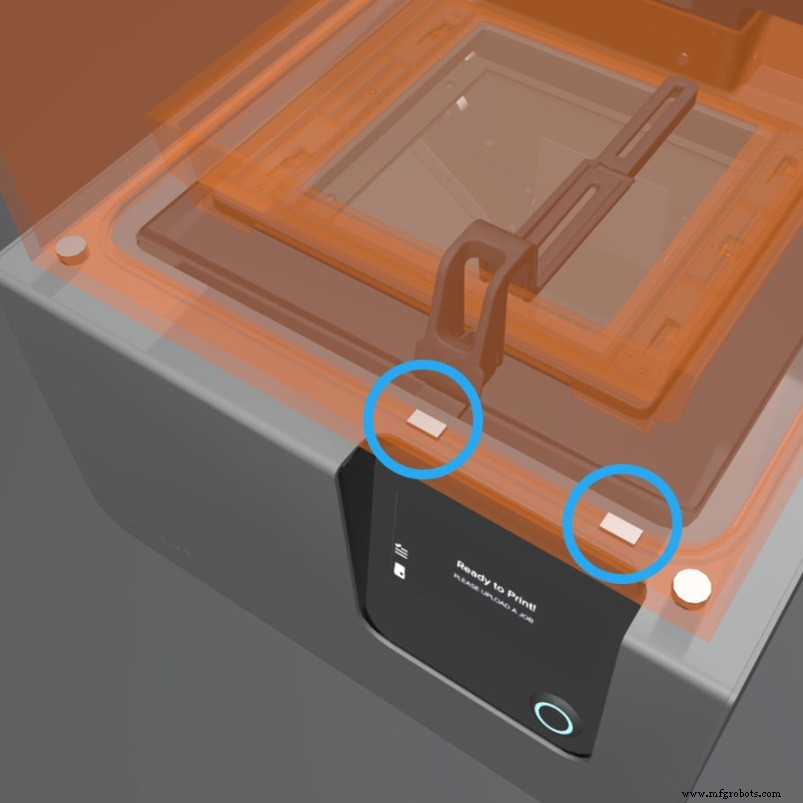
An interlock prevents equipment from operating when a user accesses a hazardous area. While a micro‑switch is common, it can become clogged in dirty or high‑temperature environments. Magnetic sensors—Hall effect, reed switches, etc.—allow the actuator to remain sealed inside the unit, with only a magnet on the accessible side. Formlabs’ Form 2 3D printer uses this approach to keep the UV‑protecting cover closed during laser curing, preventing accidental exposure to resin.
Note that some medical and industrial regulations require a secondary mechanical lock in addition to magnetic detection, so verify compliance before selecting a purely magnetic interlock.
Attachment:
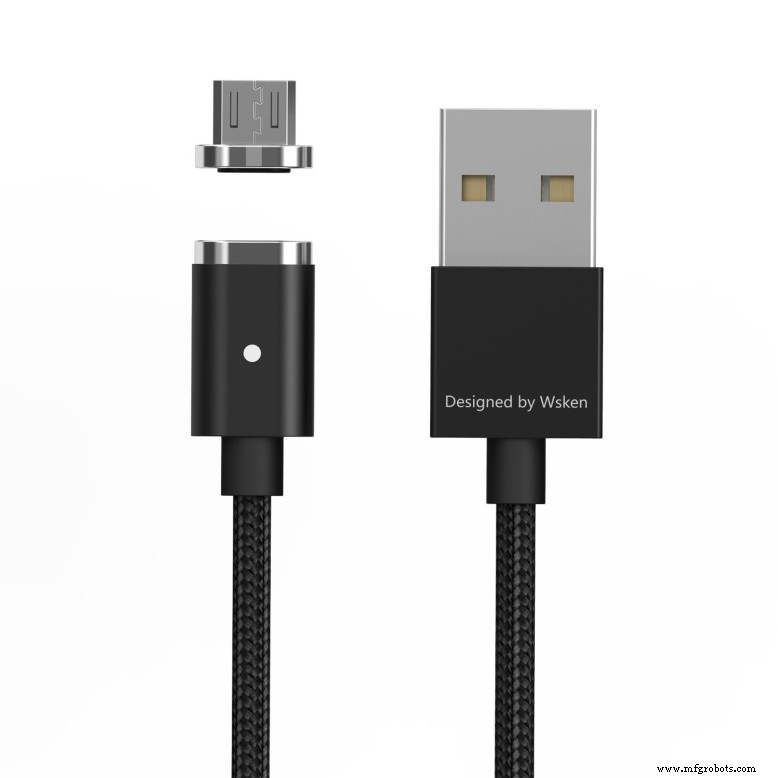
High‑strength neodymium magnets excel at joining modular components—think magnetic charging cables or tablet covers. However, magnets alone do not guarantee alignment; the connector’s lip or shape aligns the pins, while the magnet supplies the holding force. Designers must remember that magnetic attraction lacks precise axial alignment.
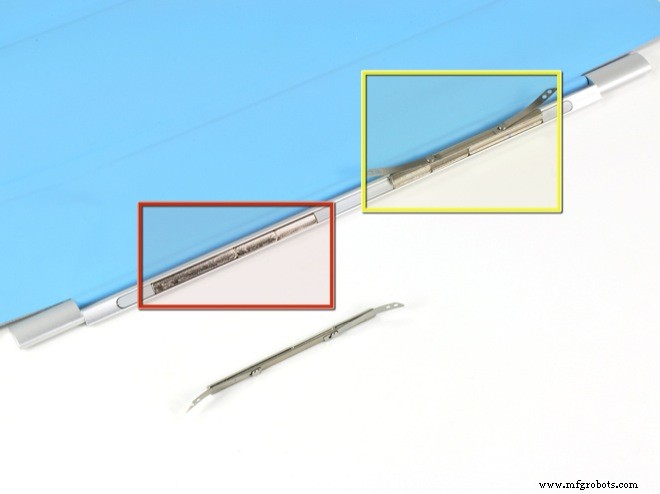
Apple’s iPad covers illustrate a more sophisticated approach: a series of alternating‑pole magnets of varying sizes—a Barker sequence—creates self‑correcting alignment. The pattern forces the cover to snap into place and resists lateral offset. The trade‑off is cost: more magnets mean higher material and assembly expenses. Alternatives like Correlated Magnetics’ “polymagnets” integrate multiple magnets into a single substrate but still carry premium pricing.
Before declaring magnets the universal fix, involve experienced magnet engineers, prototype early, and test the user experience. For guidance tailored to your product, reach out to a specialized engineering firm.
Manufacturing process
- Titanium: Key Properties, Applications, and Industrial Uses
- Castanets: History, Craftsmanship, and Performance
- The History, Production, and Future of Glue: From Ancient Adhesives to Modern Innovations
- Thread: Types, History, Production, and Quality Control
- Acetylene: Production, Uses, and Handling – A Comprehensive Overview
- Comprehensive Overview of Asbestos: From Ancient Uses to Modern Health Risks
- The History, Design, and Manufacturing of Dice: From Ancient Tools to Modern Gaming
- Plywood: History, Production, and the Path Ahead
- Tin: From Bronze Age to Modern Industry – Uses, Production, and Future
- When to Use Anti‑Fatigue Mats for Optimal Workplace Comfort