



Fail Fast, Not Prematurely: Cost‑Effective Prototype Development Strategies
In entrepreneurial circles, “fail fast” is a well‑known mantra. The idea is to push a concept to its limits quickly so you can decide whether to keep investing or to pivot—saving time, energy, and budget. When it comes to consumer devices, that means conducting early market tests with a working, yet unfinished, concept rather than building a full‑scale production run.
However, a bulky, unfinished prototype can mislead beta testers or focus‑group participants. Poor ergonomics or unpolished packaging may turn users away from a solid idea. Designers often create both a “looks‑like” mock‑up and a “works‑like” demo, aiming to show the final aesthetics alongside a functional glimpse. Yet that approach can still be costly, and a stark difference between the two can raise doubts about feasibility.
So what’s the optimal strategy? A middle ground usually works best: build a minimal prototype that satisfies basic aesthetic and ergonomic goals while keeping investment low. Below are three practical tips to achieve that balance.
1. Modify Existing Parts Instead of Building from ScratchOrdering a small batch of custom parts incurs high per‑unit costs due to tooling and lack of scale. Instead, source generic items that can be adapted to your design. Companies such as Proto‑case and Zero Enclosures offer stock cases that you can trim or add simple features—like press‑in threaded inserts or standoffs—without the overhead of a new mold. Because the base enclosure already exists, the cost per unit drops significantly.
Beyond the part price, remember that the true cost includes the engineering effort to design, validate, and iterate. When you need hinges, latches, or switches, it’s usually faster and cheaper to buy off‑the‑shelf solutions from suppliers like South‑Co or McMaster. These manufacturers have already conducted the R&D and stress analysis required to ensure reliable performance, allowing you to focus on integration rather than invention.
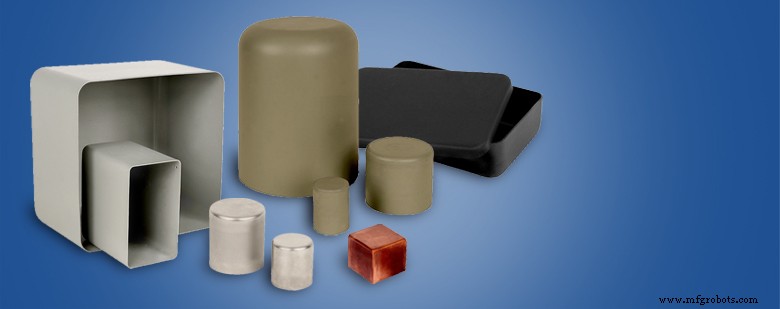
Relying solely on off‑the‑shelf components can result in a device that looks functional but lacks polish. A single custom part—such as a branded lid or a refined connector—can dramatically elevate the overall look and user experience while still leveraging low‑cost stock items. For instance, a custom lid fitted onto a standard enclosure can transform the appearance without the expense of a full‑custom mold.
When you need a few high‑quality prototypes for focus groups or investor demos, 3D printing or CNC machining a custom part and then creating resin casts can deliver a near‑injection‑mold finish at a fraction of the cost. These methods produce durable, repeatable parts without the long lead time of traditional tooling.
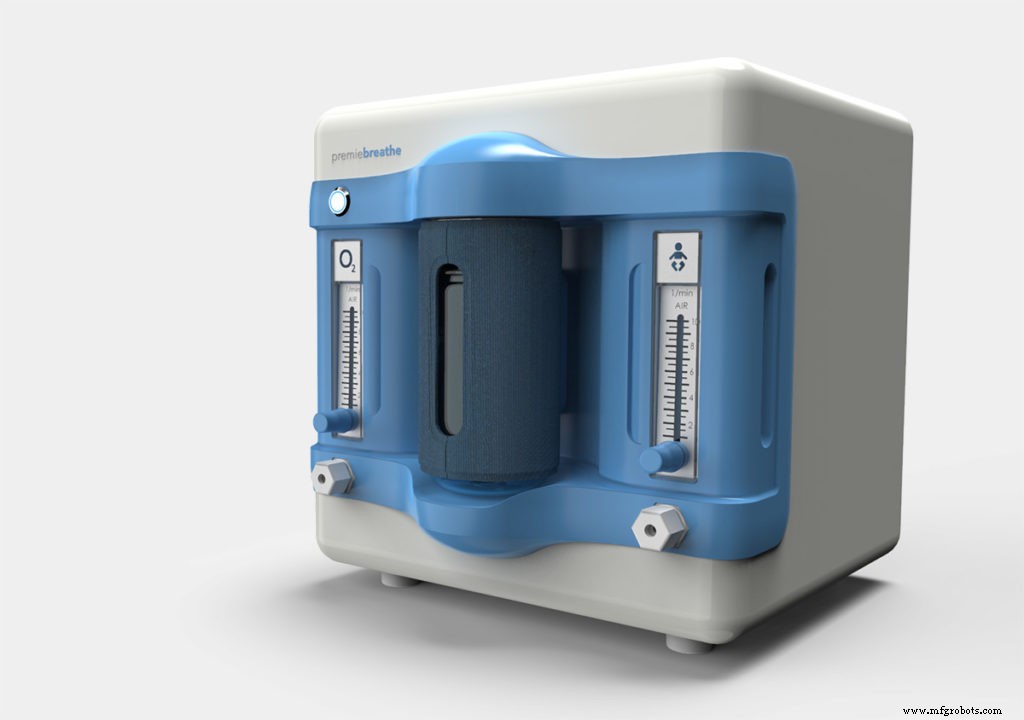
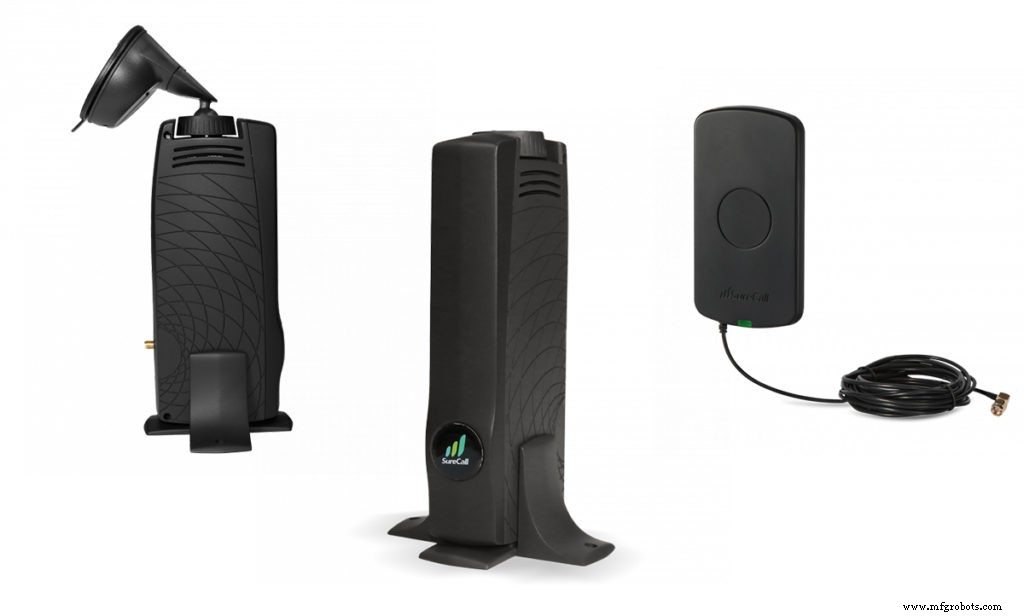
“Don’t reinvent the wheel,” is a mantra that applies especially to prototype development. Engineers sometimes fall into the trap of designing new mechanisms for problems that already have reliable, commercial solutions. When building a phone holder for a car, for instance, the mounting system is often the least innovative part of the product. By sourcing an existing dashboard mount and focusing your effort on the unique phone attachment and wireless features, you save time and resources while delivering a more polished demo.
By following these guidelines, you can bring a new concept to a presentable stage quickly and efficiently, preserving budget and boosting the likelihood of success.
Manufacturing process
- Estimating the Cost of Building a SaaS Ride‑Sharing App Like Uber
- Choosing the Right PCB Prototype Manufacturer: A Comprehensive Guide
- Prototype Cost Guide: Make Informed Decisions on Prototype Pricing
- Reduce CNC Machining Costs: Expert Tips for Precision Parts
- Mastering Machining Part Drawing Analysis: A Step-by-Step Guide
- Accurate Cost Estimation for CNC Machining and Manufacturing
- How Innovative Startups Design and Build Cutting-Edge Hardware
- Mastering BOM Planning: A Step‑by‑Step Guide to Optimize Your Product Costs
- Expert Guide: Proper Maintenance of Cutting Dies for Long-Lasting Performance
- Step‑by‑Step Guide to Building a Prototype with Expert Tips