



Why Rapid Prototyping is Essential for Successful Product Development
Virtual design tools have transformed the way we conceive products, yet the leap from CAD model to production-ready item remains a complex journey. While some narratives claim a fully virtual design can bypass prototyping, reality shows that early, tangible mock‑ups are indispensable for uncovering hidden issues before costly production runs.
“A part is worth a thousand pictures.” This principle reminds us that the first physical prototype offers insights that no screen can match—feel, ergonomics, weight distribution, and real‑world functionality.
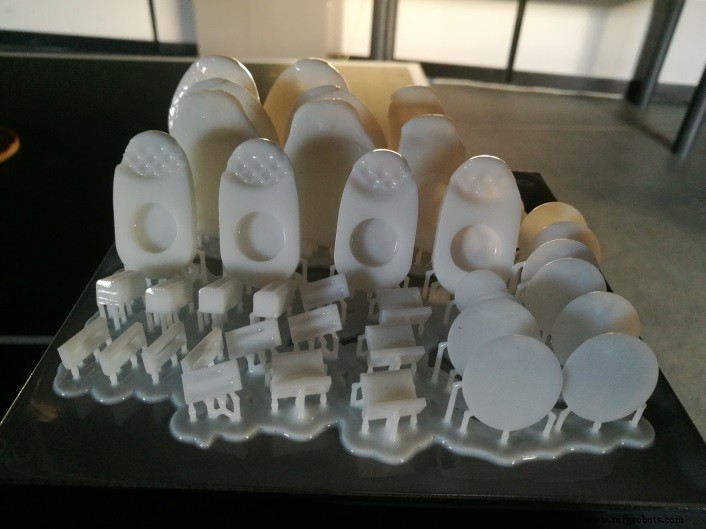
Rapid prototypes—whether 3D‑printed, hand‑shaped foam, or CNC‑machined—allow teams to test critical attributes early: tactile feedback, component fit, and preliminary environmental integration. These mock‑ups also help secure stakeholder buy‑in and, when well‑planned, can reduce downstream revisions by up to 40 %.
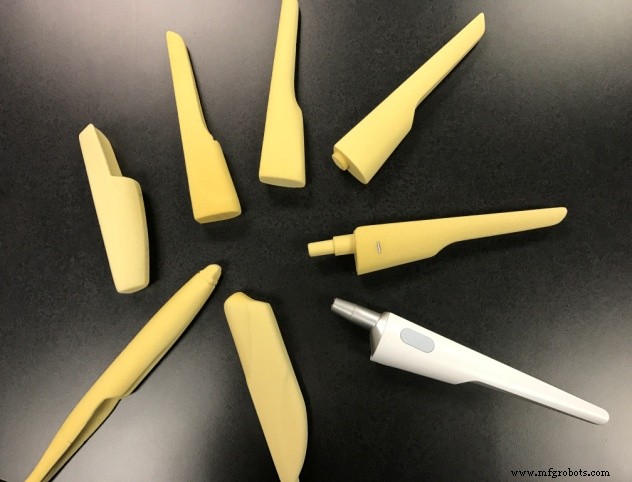
Although CAD software can generate physical parts quickly, overreliance on digital models can delay the transition to the real world. Virtual constraints—like collision detection—are improving, but they still fall short when dealing with large, complex assemblies where subtle assembly “gotchas” emerge only during physical handling.
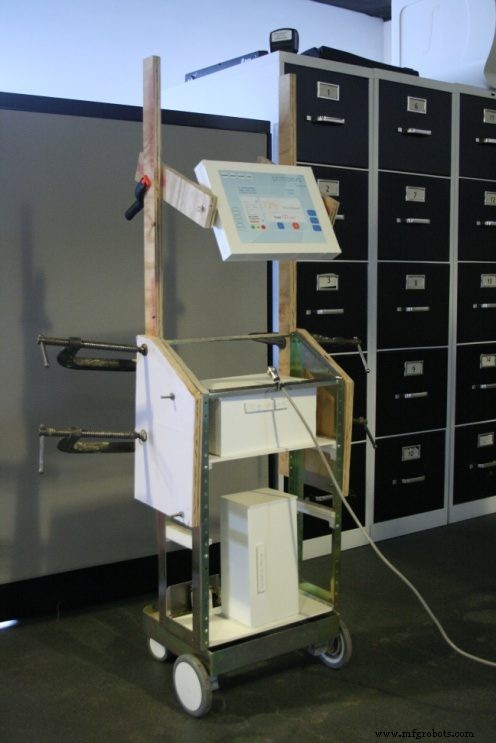
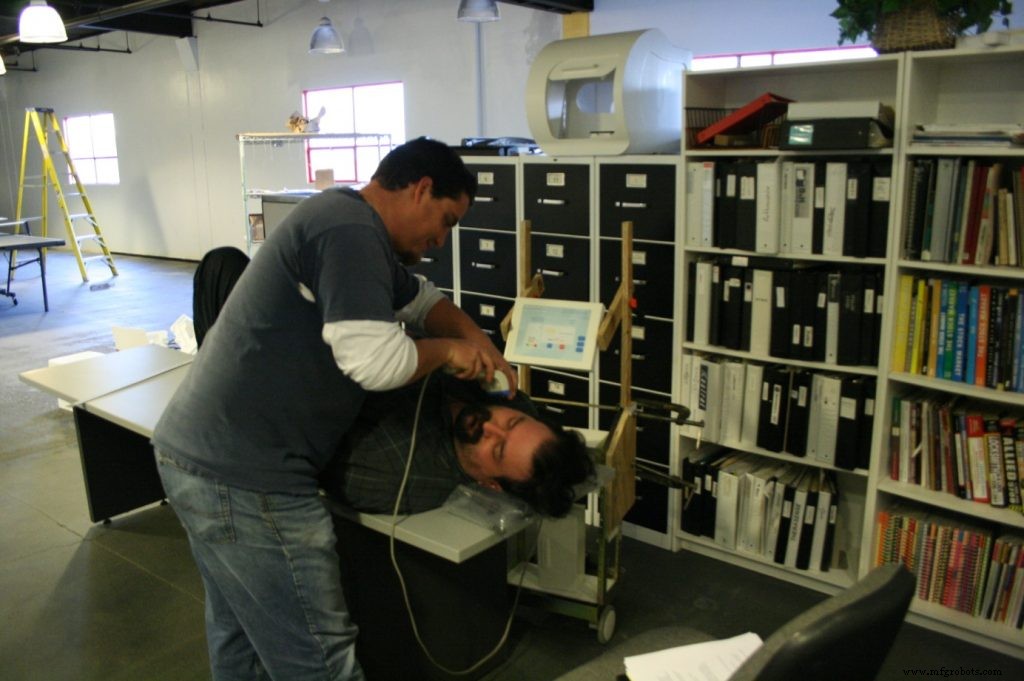
Once an early prototype is shared, the design team can iterate: integrate lessons learned, refine the model, and prepare the next version. Each iteration should target specific goals—whether it's validating an adjustment or testing a new material—to maintain focus and avoid endless refinement cycles.
Beware of prototype overload. Unplanned iterations can waste time and resources, especially in fast‑paced projects with multiple design paths. Establish clear objectives for every prototype build to ensure incremental value.
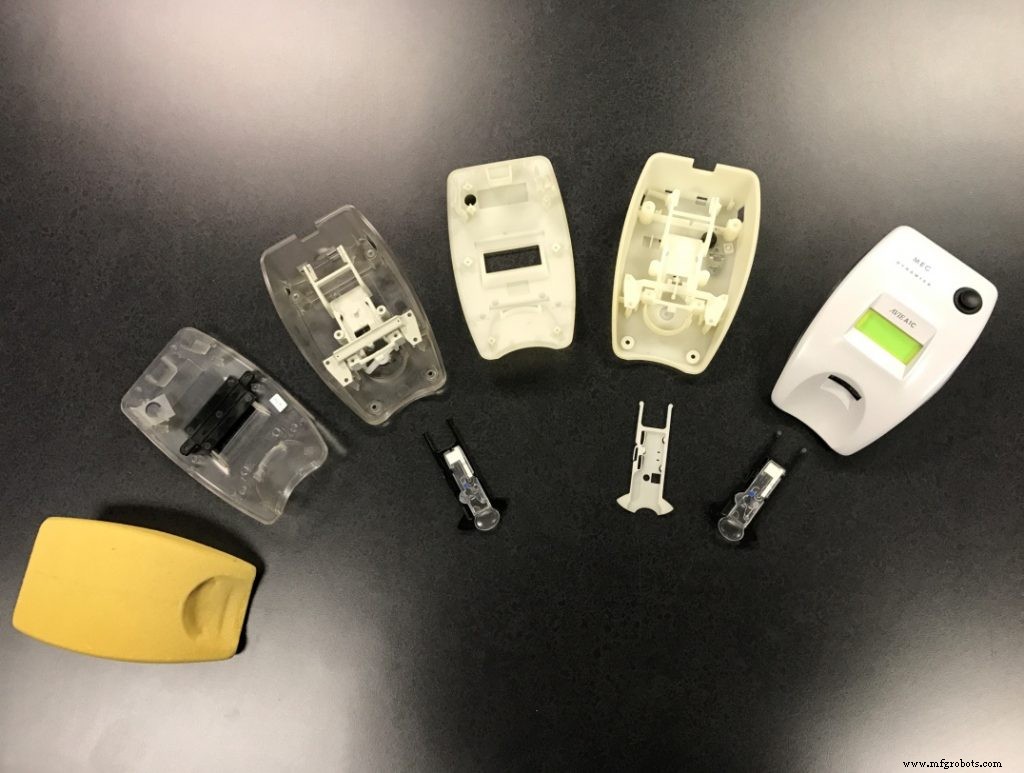
Beta prototypes—essentially pre‑production units—benefit from real customer interaction. Distributing them to a select user group not only generates richer feedback but can also help offset prototype development costs. The perceived value of a tangible product often drives more honest, actionable critique.
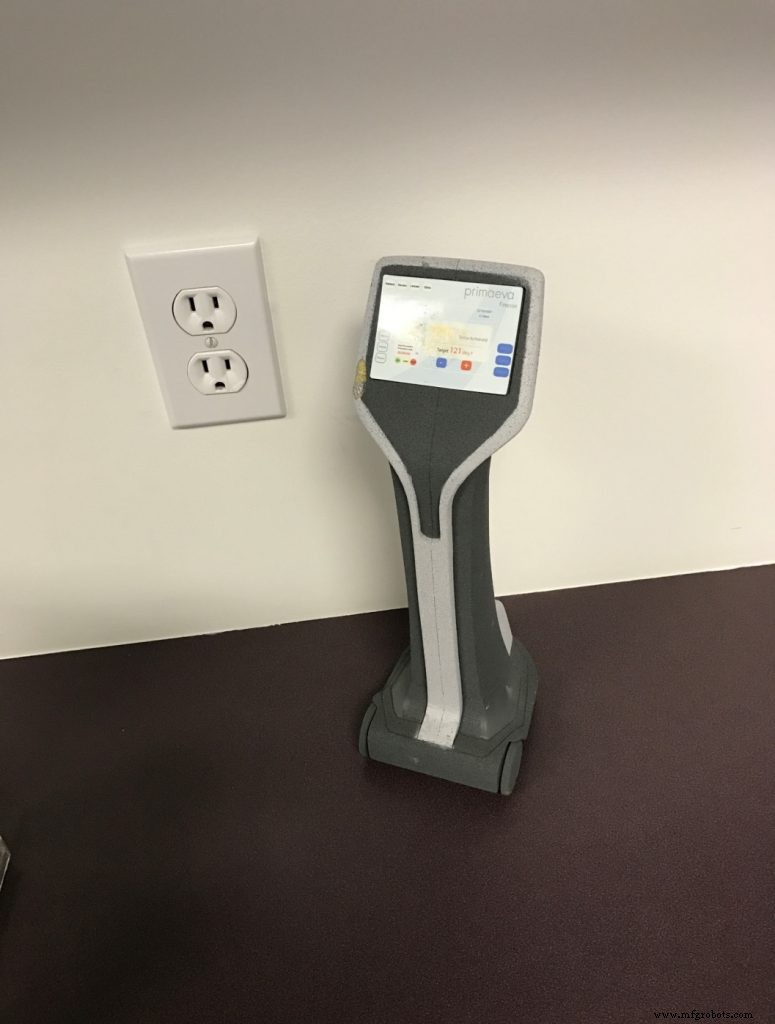
Remember, no prototype is flawless. The final pre‑production version will inevitably contain imperfections, but those flaws are the most valuable data points. A perfect prototype may indicate an overly cautious schedule that delays market entry.
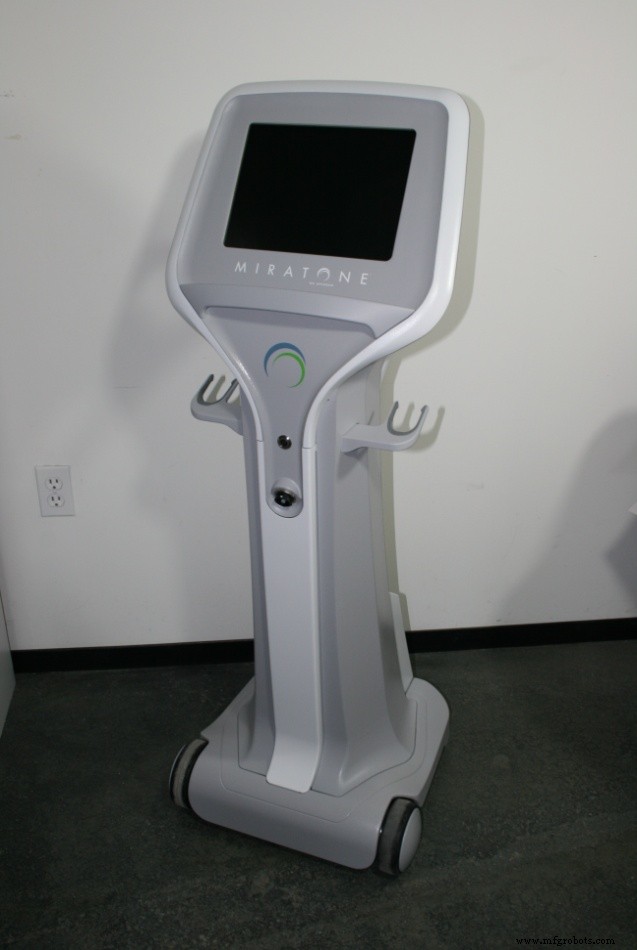
Historically, design iterations began on paper and wood, with in‑house shops crafting the first mock‑ups to test fit and function. Today, 3D printing and rapid tooling accelerate that process, yet the fundamental principle remains: hands‑on prototypes at every stage unlock insights that no virtual model can replicate. As design tools evolve—augmented reality, haptic interfaces—the synergy between digital and physical prototypes will only strengthen.
StudioRed is a full‑service product development consultancy dedicated to turning ideas into market‑ready realities, with a passion for prototyping that bridges concept and production.
Manufacturing process
- Designing Baby Products: Ensuring Safety, Compliance, and Market Success
- How Plastic Innovations Enhance Workplace Safety Across Industries
- Custom Manufacturing: Shaping Tomorrow's Economy
- Discover SEW Eurodrive’s Leading Products for Superior Performance
- Top 3 Crane Runway Products to Boost Bridge Crane Efficiency
- Understanding the Fragrance Industry: Scope, Players, and Innovations
- Key Factors That Influence Prototype Quality and Reliability
- Advancing Prototype Manufacturing: Cutting-Edge Rapid Production Techniques
- From Prototype to Production: Expert Guidance for Seamless Industrial Design
- Why Prototype Engineering Boosts Product Success: 5 Key Benefits