



Designing Baby Products: Ensuring Safety, Compliance, and Market Success
Designing for the world’s most demanding consumers—infants—requires a blend of creativity, technical rigor, and a relentless focus on safety.
Unlike adults, babies do not have brand loyalty or clear feature preferences, but they are highly perceptive and will test every flaw in a product’s design. This reality makes safety the paramount consideration. Even a brief moment of unsupervised curiosity can expose a child to hidden hazards, so products must be engineered to prevent accidents under the most demanding conditions.
Across the United States, safety standards are governed by a suite of federal regulations: the Consumer Product Safety Commission (CPSC), the Consumer Product Safety Improvement Act (CPSIA), ASTM International, the Food and Drug Administration (FDA), and other industry‑specific guidelines. Compliance with these requirements is not optional; it is the foundation upon which parents place their trust.
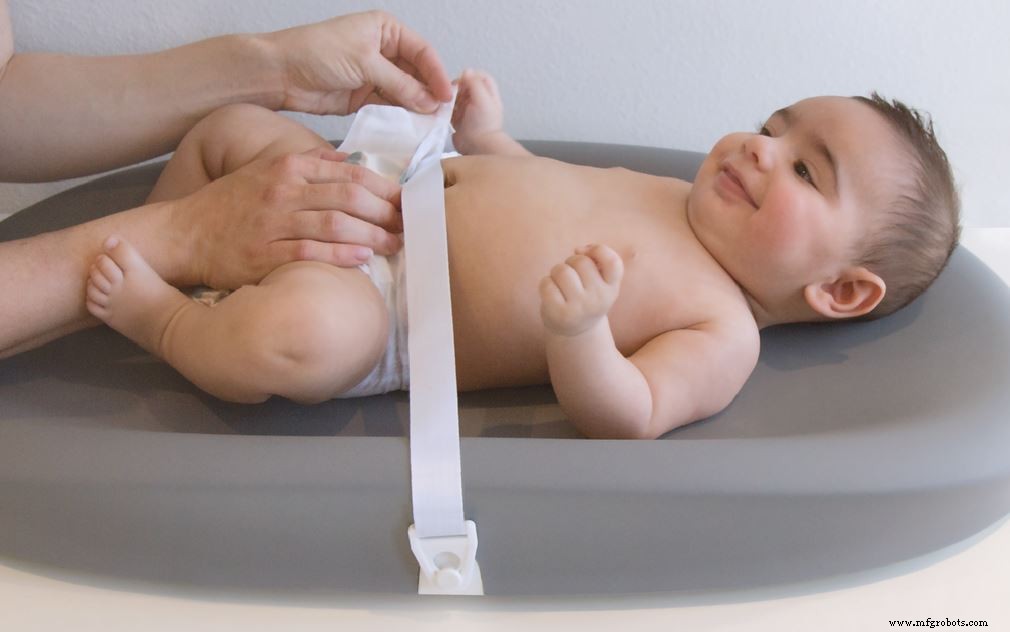
Baby scale and changing pad developed with internet connectivity still needs safety features to prevent babies from rolling out. The product was developed with these considerations. Source: Hatch.co
Historically, many infant products were built with little regulatory oversight. Today, every feature—from crib railings to convertible high chairs—must meet detailed guidelines that address pinch points, load capacities, tipping resistance, and more. These rules stem from real‑world incidents and are designed to eliminate repeat failures.
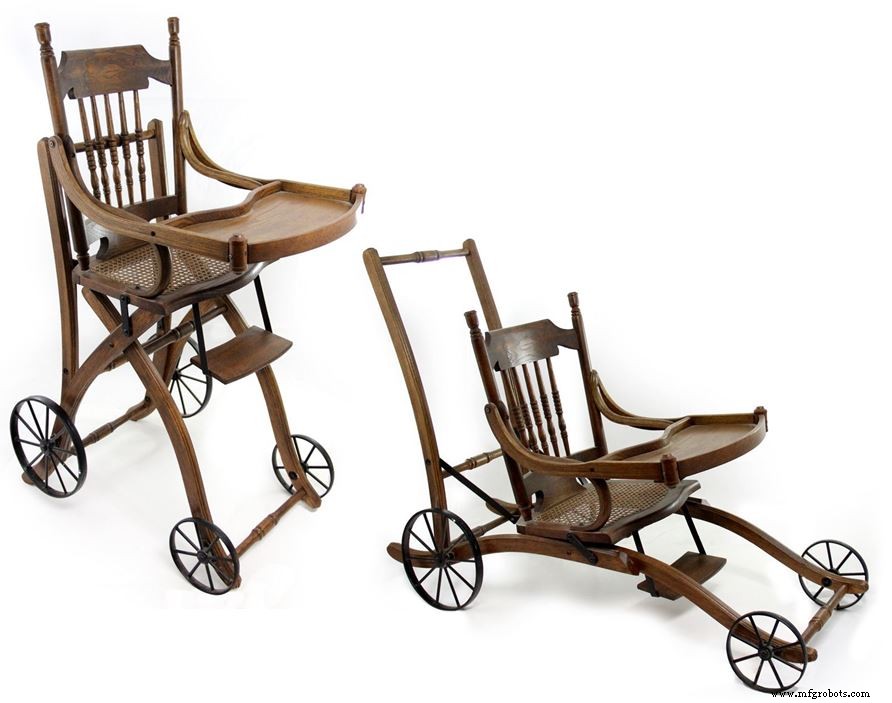
Circa 1910 convertible high chair to stroller, similar to what was used in my family for at least two generations with no apparent ill effects; however, modern regulations might have some concern about pinch points. Tip on this design looks pretty good but new, certified highchairs can ensure that tip risk is minimized.
Understanding which safety standards apply to each product category—and the specific tests required—can feel overwhelming. The challenge intensifies when a product crosses traditional boundaries or introduces novel features. Experienced product development partners who specialize in infant and toddler goods bring the knowledge needed to navigate this complex landscape.
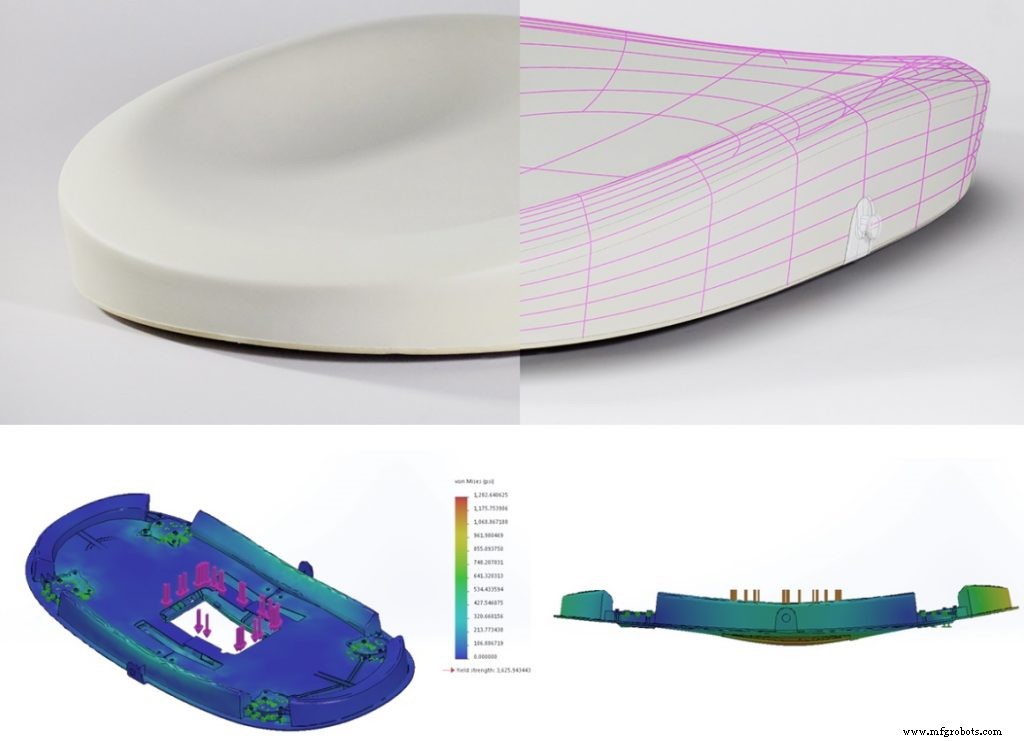
In developing the baby scale / changing pad the under structure had to be rigid enough to function correctly and read the babies weight, and soundly capture the safety belt feature which was complicated as it was on the parting line of the co‑molded design.
Today’s parents are more informed than ever. They search for certification logos, read safety reviews, and evaluate environmental impact. This demand extends beyond car seats and high chairs to include bedding, electronics, and any product that interfaces with a child’s daily life. A single safety lapse can erode brand credibility and result in costly recalls.
Materials play a critical role. While vinyl covers were once prized for their easy cleaning, modern consumers expect low‑toxic, low‑off‑gassing materials that are still durable. A knowledgeable partner can source approved materials from reputable vendors and verify their use throughout the supply chain.
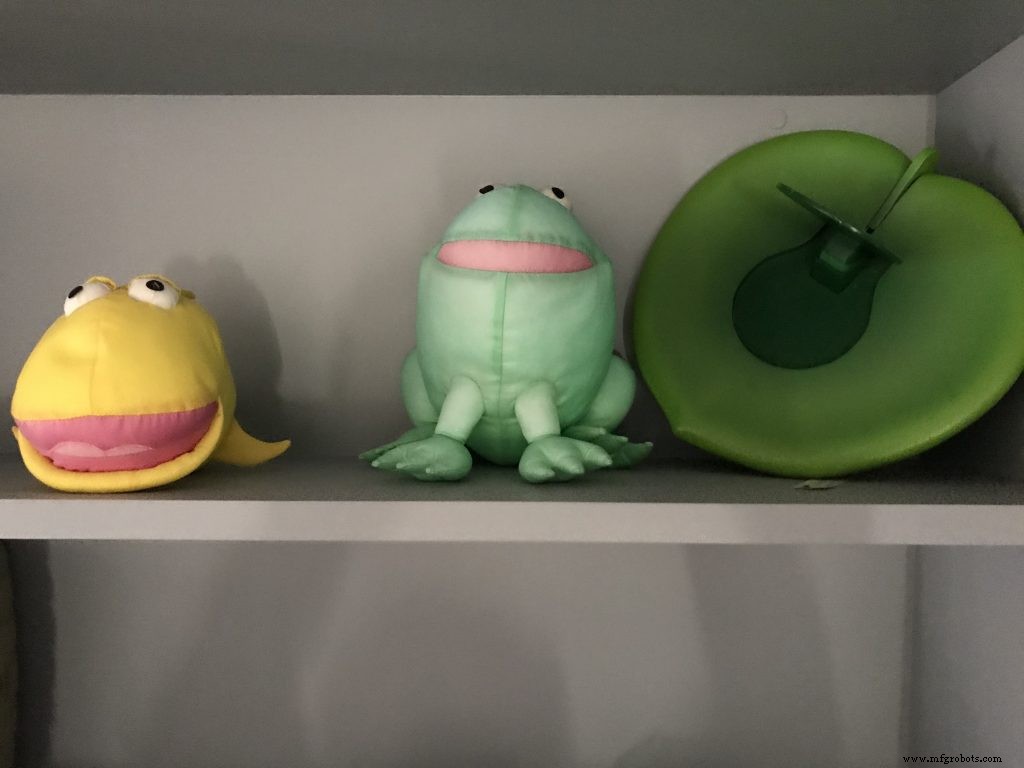
Pool friends and lillypad launcher, there is plenty of opportunity for creativity and fun in designing for kids. Although these were targeted for a bit older kids, the need for durability, material selection and safety remains.
A seasoned product development consultancy can guide an idea from concept to market‑ready prototype while ensuring compliance with all applicable safety standards. Their expertise also includes anticipating upcoming regulations, allowing you to stay ahead of industry changes and avoid costly redesigns.
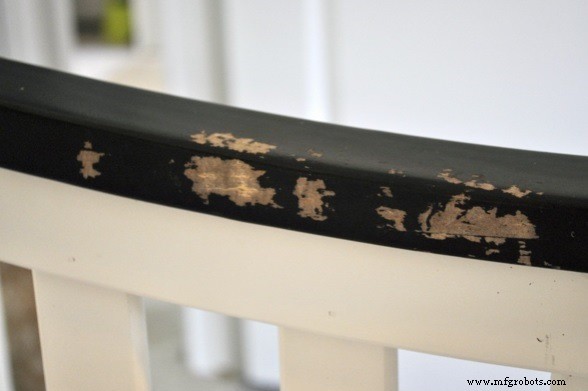
Fortunately modern material recommendations and covering accessories can take some of the concern out of finding your baby with varnish crumbs on their face.
Although the path to a safe, compliant baby product is complex, the payoff is clear: peace of mind for parents, fewer recalls, and a stronger brand reputation. Partnering with experts who bring deep safety knowledge and industry connections is the best strategy for turning a great idea into a trusted, market‑ready solution.
Manufacturing process
- Three Challenges of Cutting‑Edge GPS Development at Trimble
- Overcoming Hurdles in New Product Development: A Proven Blueprint
- Why Rapid Prototyping is Essential for Successful Product Development
- Mastering Product Design: Proven Strategies to Overcome Common Challenges
- Mastering Product Leadership: The Four Essential Pillars
- Four Key Challenges in IoT Hardware Design
- Addressing the Challenges of 5G Technology: A Comprehensive Guide
- Unlocking Hidden Value: How Supply‑Chain Serialization Drives Efficiency, Security, and Brand Protection
- Overcoming New Product Development Challenges: Strategies for Success
- Is Metal Casting Right for Your Product? 5 Key Indicators to Make the Decision