



Three Challenges of Cutting‑Edge GPS Development at Trimble
In the mid‑1990s, a construction boom reshaped the surveying industry. Companies in different countries began collaborating to fuse classic optical technology with emerging survey‑grade GPS, creating a hybrid product that set a new industry standard.
At Trimble Navigation’s Mapping & Survey Division, a small, dedicated team was tasked with building the most compact survey‑grade GPS unit yet. While competitors were also racing to deliver, our goal was to be first to market with a reliable, miniature system.
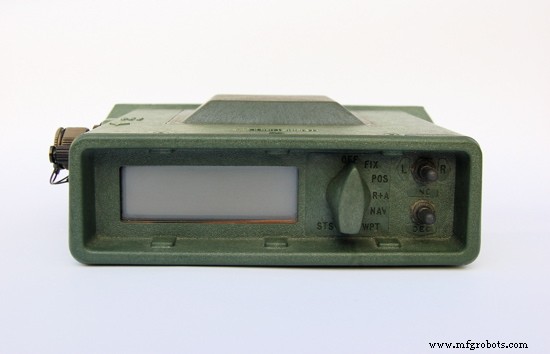
Our first obstacle was navigating a heavily integrated design effort between two international partners. Cultural differences were significant—executive etiquette training was still a novelty. I attended a brief 10‑minute session on business‑card exchanges, which helped me avoid costly faux pas during the initial introductions with our major Asian partner.
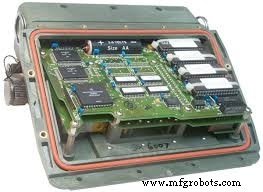
The initial design review took place in the United States, with a translator from the sales department. While I anticipated language barriers, the technical side of the presentation spoke for itself. Visuals, mock‑ups, CAD models, and physical prototypes served as universal language, allowing us and our four foreign colleagues to understand the design without a translator. This experience highlighted that creative problem‑solving transcends language.

The second challenge was an externally imposed specification: a pre‑determined size, mounting method, interconnect layout, and aesthetic for a brand‑new GPS receiver. While the vision was compelling, the transition from rendering to reality exposed gaps in sealing, component integration, and the perennial “everything must fit” dilemma. Survey‑grade GPS units of the era were typically too large to be portable; our goal was a device smaller than a cigarette pack, yet fully capable of multi‑channel, survey‑grade signal processing.

Achieving this required leveraging cutting‑edge but proven technologies. We introduced a new gasket material and a specialized plastic housing coating to shield against EMI and cross‑talk. Custom pogo‑pin contacts—developed with our trusted cable vendor—were integrated into the housing, with a recessed section allowing them to be pot‑sealed for ruggedness. This approach kept the profile low and the cost manageable, demonstrating that thoughtful component selection can prevent unnecessary bulk.
Our final prototype matched the original rendering—a remarkable outcome given the constraints. The sealed RF connector still impacted the overall envelope, but we had met the size target through our custom solutions.
During a subsequent meeting, the partner requested an even smaller form factor. We explained the technical limits and the trade‑offs: reducing the RF connector size could jeopardize signal integrity. The partner’s senior engineer, after a pause, agreed that “there is no gain without great risk.” That candid moment saved us from an expensive redesign and a schedule blow‑out. Their willingness to accept the trade‑off kept the project viable.
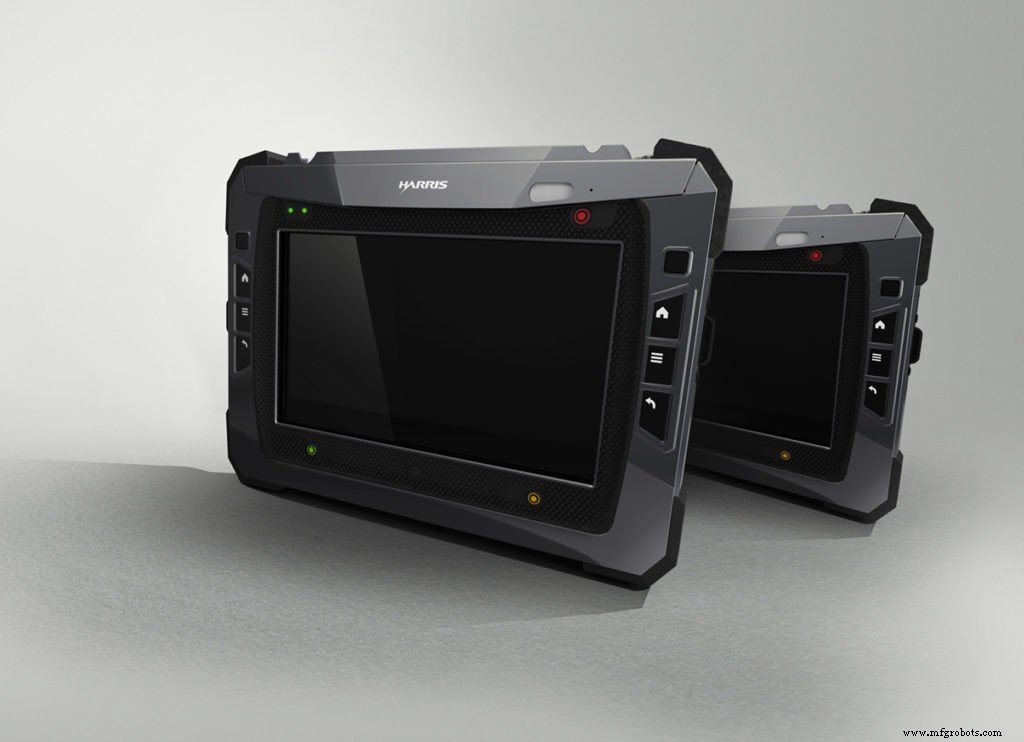
We built prototypes and secured a reliable supply chain for critical components, maintaining a small inventory to avoid lead‑time delays. Documentation was printed, hand‑stamped, and mailed—standard practice before digital distribution. The prototypes performed well in our custom test fixtures, drawing attention from senior management.
Despite our timely delivery and remaining budget, the overseas partner fell behind on their contributions, and the project was ultimately cancelled. We shipped the units to the client, where they were stored in anticipation of a possible future revival.
Looking back, the project—though short‑lived—offered a concentrated learning experience. It highlighted the importance of cross‑cultural communication, disciplined engineering, and strategic risk management in cutting‑edge product development.
Manufacturing process
- Designing Baby Products: Ensuring Safety, Compliance, and Market Success
- Overcoming Hurdles in New Product Development: A Proven Blueprint
- Choosing the Best Industrial Product Design & Development Company
- 5 Proven Product Design Principles to Make Your App Unforgettable
- Mastering Product Design: Proven Strategies to Overcome Common Challenges
- Overcoming the Three Key Challenges in IoT Solution Development
- Early Career Lessons that Shaped My Maintenance Leadership
- Cutting Maintenance Budgets: Hidden Risks to Production, Safety, and Compliance
- Overcoming New Product Development Challenges: Strategies for Success
- Streamlining Production: Embrace Automation From Day One