



Silicon Valley Product Development: From 1980s Hardware to 2020s Biotech & Design Innovation
Silicon Valley’s rise as a software powerhouse has eclipsed the era when local factories churned out the physical products we touch. The region’s 3‑D manufacturing footprint has contracted, with much of it moving overseas or becoming more specialized.
When StudioRed launched in 1981, the Valley was already a crucible for computer innovation. We partnered with pioneers such as Osborne, Grid Systems, Morrow Computers, DEC, Televideo, AMD, Fujitsu, Samsung, and Zenith—just to name a few. These early collaborations set the stage for a thriving hardware ecosystem that, over time, shrank as the market consolidated.
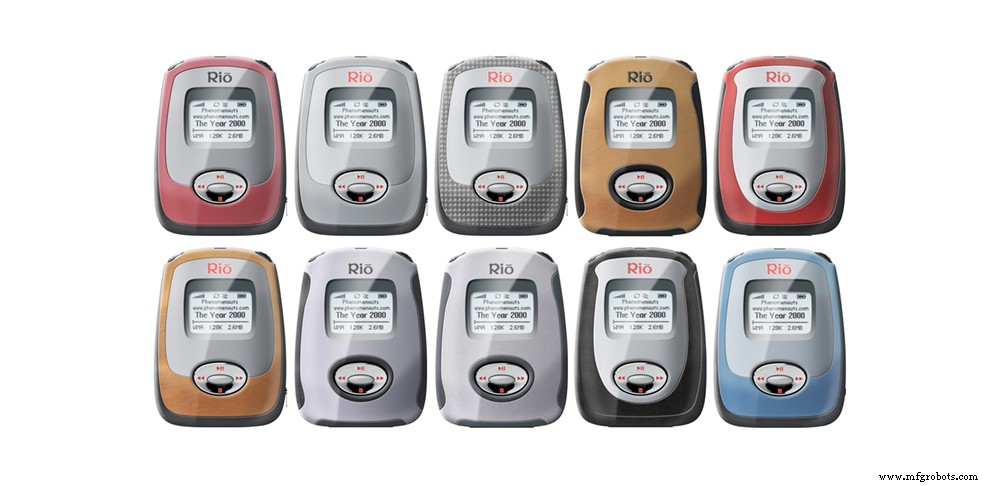
The 1990s ushered in networking and telecom giants—3Com, Adaptec, Cisco, Juniper, AT&T, Motorola, Nokia, Palm, Handspring, Ricoh—who invested heavily in industrial design and mechanical engineering with local talent. Their products were not only functional but also market‑making, thanks to the unique design expertise that Silicon Valley nurtured.
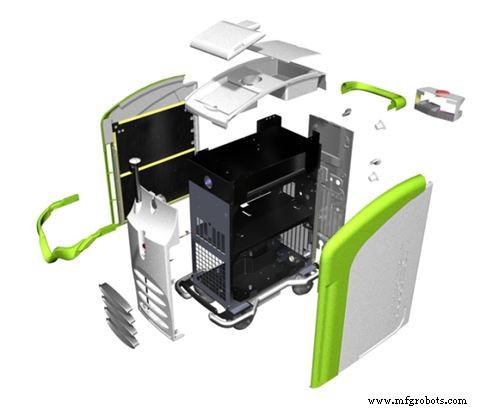
The medical‑device boom brought partners like Abbott, Arthrocare, Becton Dickinson, Boston Scientific, Coherent Laser, Laserscope, and Resound. Our work extended beyond engineering to encompass ergonomic studies, safety protocols, and user research in hospitals, surgical suites, and clinics worldwide. Iterative prototyping, focus groups, and cross‑functional collaboration were hallmarks of these projects.
Today, Silicon Valley remains the world’s innovation hub, but the focus has shifted to tangible, touch‑centric products—particularly in biotech and medical devices. According to a 2022 Grand View Research report, the global medical device market surpassed $500 billion, underscoring the sector’s growth potential. Concurrently, data‑rich devices that aggregate millions of sensor inputs are redefining healthcare and consumer experiences.
Advances in DNA sequencing, molecular diagnostics, and disease testing are accelerating, while surgical, vascular, and cardiac devices continue to evolve. Inductive charging solutions are dissolving the limitations of wired power, and consumer gadgets that blend physical form with web analytics—delivering real‑time insights into homes, families, and vehicles—are thriving. This hybrid of tangible products and IoT connectivity promises sustained growth for years to come.
While many industries still follow a form‑follows‑function philosophy, a growing trend is to reverse the process: design first, then fit the components. This outside‑in approach fuels brand differentiation and often sparks breakthrough product concepts that redefine user interaction and aesthetics.
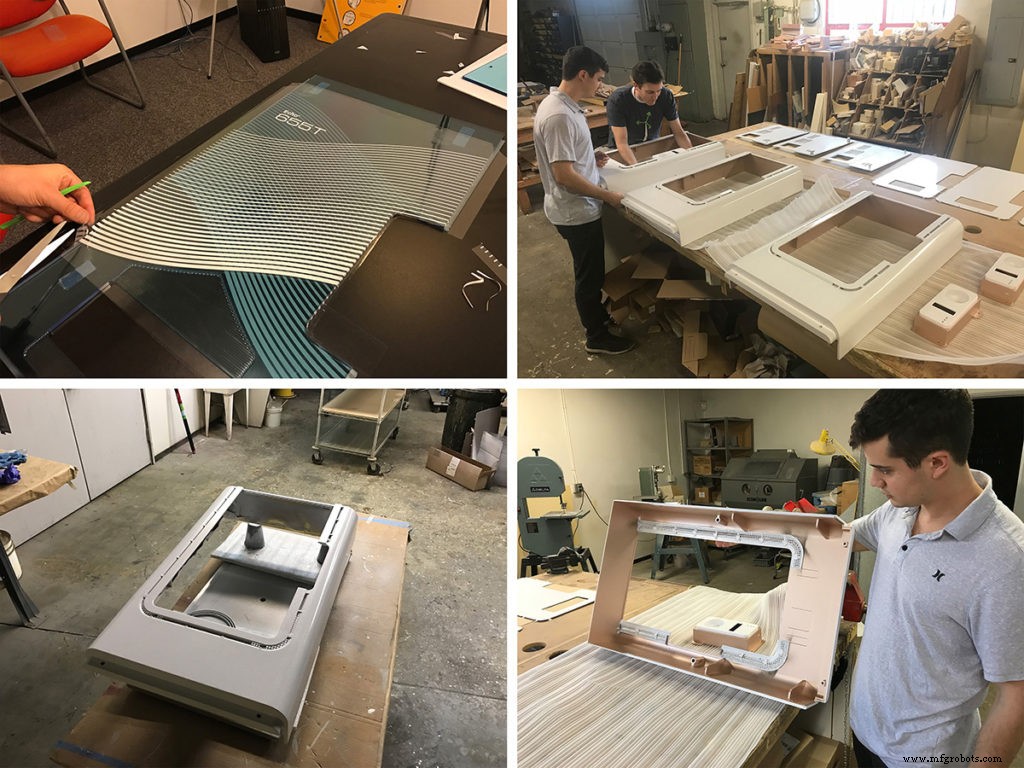
Secondary markets—prototyping, CNC machining, casting, and finishing—remain vital but have contracted compared to a decade ago. High‑tolerance CNC, material characterization, and iterative prototyping are indispensable steps in R&D, yet only a niche of specialized firms can sustain themselves in Silicon Valley’s current ecosystem.
We anticipate further expansion and evolution in these market areas, ensuring that industrial designers, mechanical engineers, machinists, and model builders remain at the forefront of product creation. – Philip Bourgeois
Manufacturing process
- Consumer Product Design: A Practical Guide for Success
- Overcoming Hurdles in New Product Development: A Proven Blueprint
- Choosing the Best Industrial Product Design & Development Company
- Medical Product Design: Expert Tips & Proven Practices
- Avoid Costly Surprises in Connected Hardware Design: Proven Strategies
- Three Key Insights into Successful Product Development
- Mastering Product Design: Proven Strategies to Overcome Common Challenges
- New Product Development (NPD): Turning Ideas into Market Success
- Overcoming New Product Development Challenges: Strategies for Success
- Choosing the Right Solar Panel for Your Product and Future Growth