



Consumer Product Design: A Practical Guide for Success
Industrial design focuses on creating products ready for production and mass manufacturing. Consumer product design narrows that focus to items intended for everyday buyers—products that must appeal, perform, and stand out in a crowded marketplace.
Unlike commercial, medical, or industrial goods, consumer items face direct scrutiny from the end user. They must offer clear value, whether through superior functionality, competitive pricing, or a compelling aesthetic.
1. Study the Competition
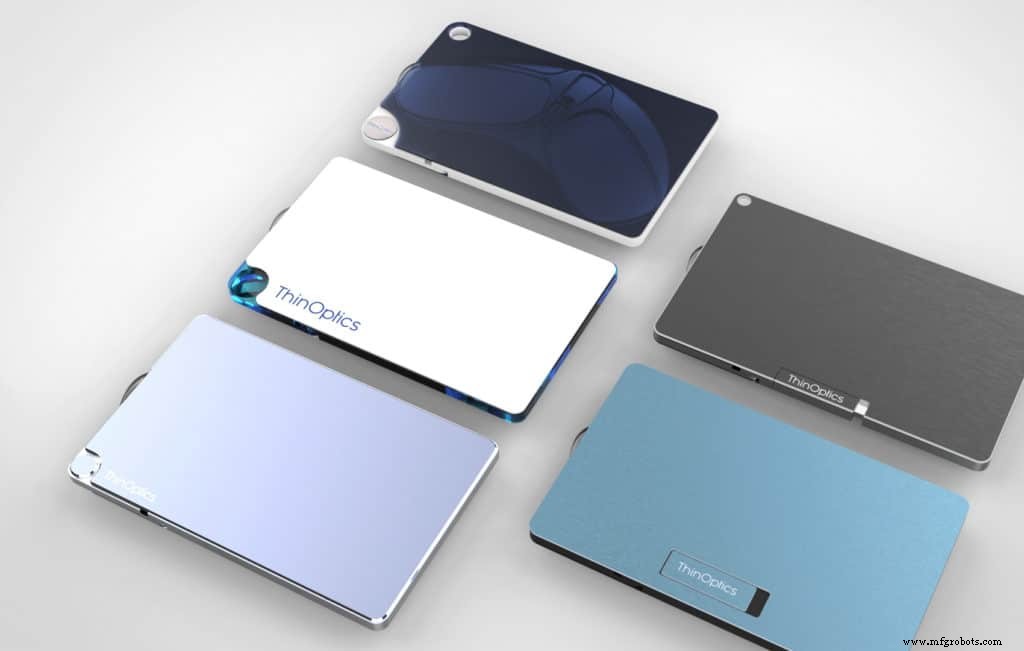
In consumer design, understanding rivals is non‑negotiable. A new product must be benchmarked against existing offerings to ensure it delivers on its promise—whether that’s cost savings, enhanced features, or a fresh look. The design should communicate that advantage clearly to consumers.
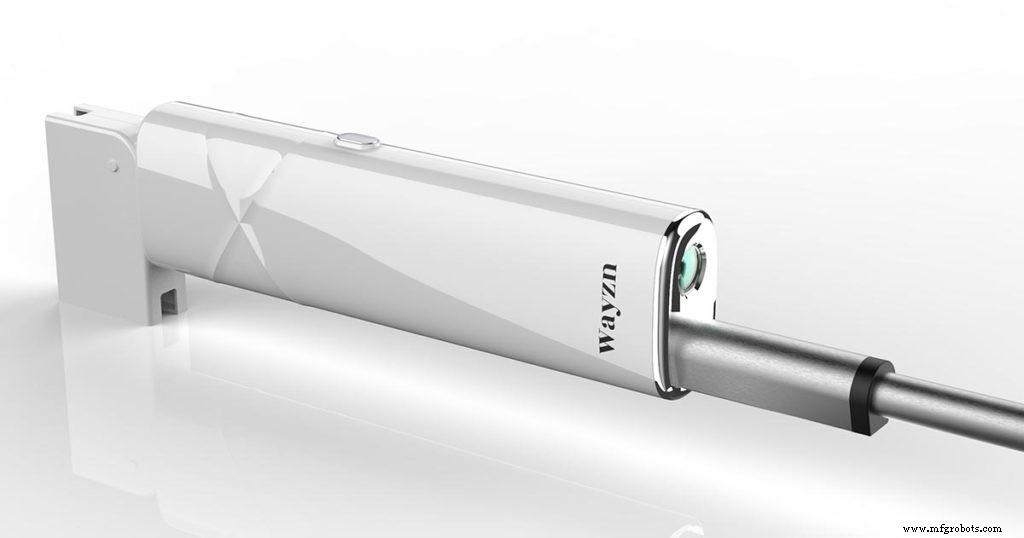
Markets dominated by established players, such as premium audio brands (Sony, Bose, Denon), present a tougher challenge. These companies have heavily invested in differentiation and brand equity, making it harder for newcomers to gain traction. Conversely, in an untapped niche—like the cloud‑connected automated pet door we launched for Wayzn—the absence of direct competitors simplifies the design focus to pure functionality and user experience.

2. Learn the Limits of the Market
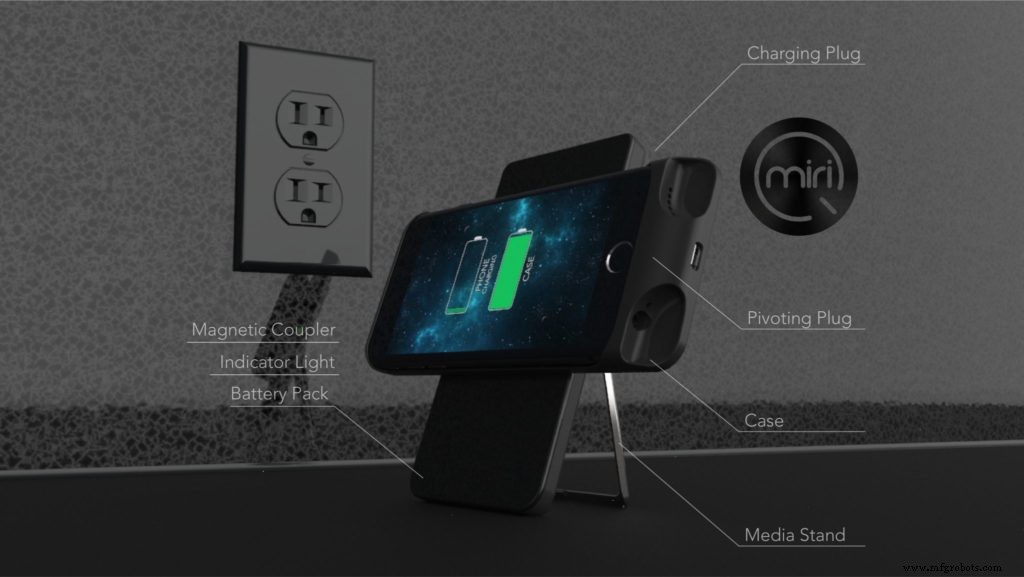
Consumer products often have to fit into pre‑existing ecosystems. For example, smartphone accessories—cases, chargers, and add‑ons—must align with platform guidelines such as Apple’s MFI certification. In such environments, protecting intellectual property and securing licensing agreements can be critical for long‑term success.
Equally important is pricing strategy. The perceived value of a solution must match the cost consumers are willing to pay. A product priced at $50 that addresses a marginal pain point will struggle, whereas the same concept at $10 could become a hit. Historically, companies have seen projects fail when manufacturing costs push the retail price beyond what the market will accept.
3. Work Within Those Limits
Early in our career, a client demanded a $4.50 manufacturing target for a simple housing. We performed rapid feasibility studies—calculating material weight, wall thickness, and vendor capabilities—and confirmed the target was attainable. This experience underscored the need to collaborate closely with manufacturing partners from day one.
Design‑for‑manufacturing (DFM) is a crucial step that can shave significant costs at the component and assembly stages. Minor tweaks, such as reducing wall thickness or selecting a lighter material, often bring a design back in line with budget constraints without compromising quality.
Manufacturing process
- Designing UX for Seniors: A Comprehensive Guide
- Design for Manufacturability: A Practical Guide for Engineers and Designers
- Medical Product Design: Expert Tips & Proven Practices
- Silicon Valley Product Development: From 1980s Hardware to 2020s Biotech & Design Innovation
- Three Key Insights into Successful Product Development
- Mastering Product Design: Proven Strategies to Overcome Common Challenges
- Expert Guide to Saudi Arabian Furniture Design Trends and Market Insights
- A Practical Guide to Selecting the Right CMMS
- Overcoming New Product Development Challenges: Strategies for Success
- Living Hinge Design: Boosting Functionality & Ease in Product Manufacturing