



Design for Manufacturability: A Practical Guide for Engineers and Designers
Design for Manufacturability (DFM), also known as design for production, emerged in the mid‑20th century when mass manufacturing began to replace handcrafted production. The shift gave rise to Industrial Design, a discipline focused on creating products that can be produced at scale. Early milestones include the sleek, rounded soda dispensers of the 1950s, which demonstrated the potential of form and function in mass‑produced goods.
Two decades later, Silicon Valley’s Hewlett Packard hired the first industrial designers. The trio—Dale Gruye, Nolan Vogt, and Opperman—left HP to form GVO, a consultancy that pioneered industrial design practices. I joined GVO shortly thereafter, and in 1983 that experience culminated in the founding of StudioRed.
For mechanical engineers and industrial designers, DFM is not a luxury—it's a core responsibility. A well‑crafted product must perform, delight users, and be manufacturable at the intended scale. That means selecting the right manufacturing route early on: high‑volume injection molding for hundreds of thousands of units, versus sheet metal stamping or die casting when only a few hundred pieces are required.
Today, DFM is a critical step that bridges the gap between prototype and production. By collaborating with manufacturers from day one, we can tailor designs to their tooling, processes, and cost structures, ensuring the final product is both high quality and cost‑effective.
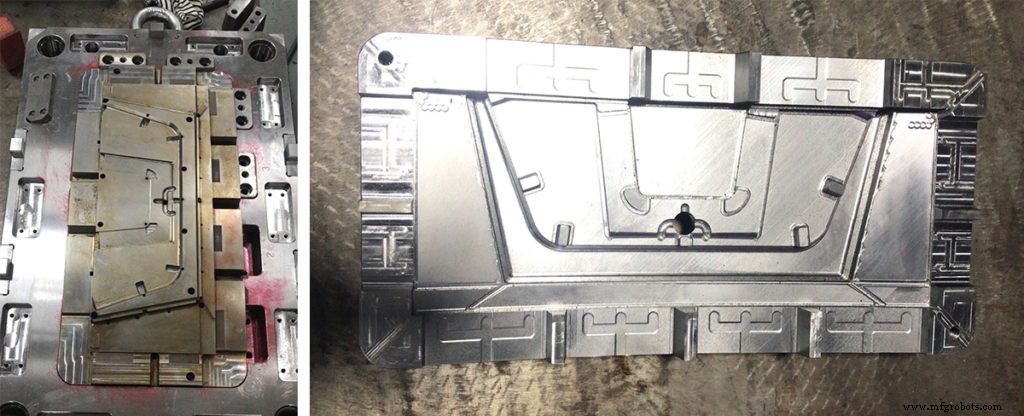
As product‑development consultants, our mandate is to deliver the most efficient and economical solutions. In research and development, time is money—every hour saved in the design phase translates directly into lower costs. In one example, when redesigning a set‑top box for a national cable operator, the manufacturer suggested flipping the printed circuit board (PCB) upside down to enable in‑process testing. The change was simple from a performance standpoint but required a 30‑hour CAD re‑layout to reorient the board and reposition all connectors. Had we discovered this early, we would have avoided the additional prototype and test cycles that would have followed.
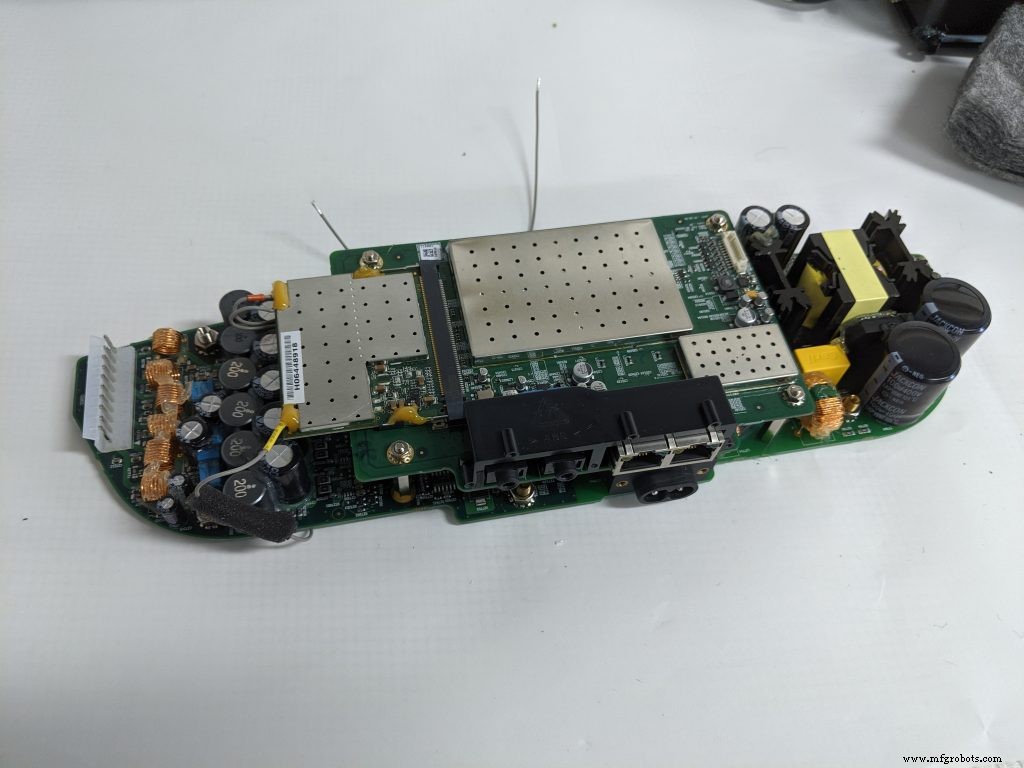
DFM is often about respecting the constraints and strengths of the chosen process. Injection molding, for instance, demands draft angles to allow parts to eject cleanly. If a part features side openings, designers must incorporate slides, shut‑offs, or angled lifters into the mold. Advanced techniques—such as over‑molding a rubber grip onto a plastic shell—require multiple molds and precise alignment features to ensure the two materials bond correctly.
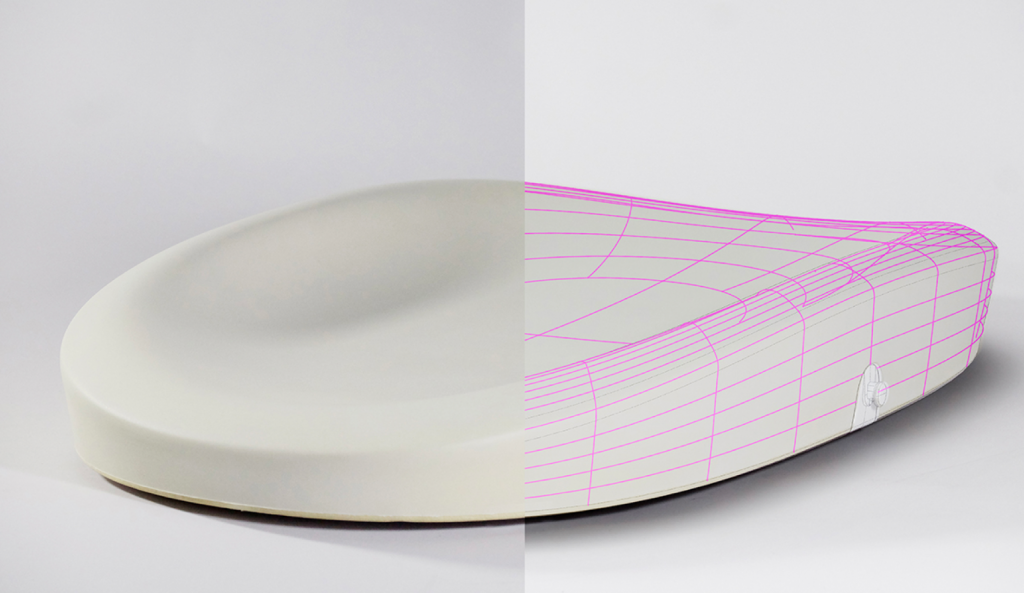
Metal parts present their own set of options. In a sheet‑metal “T” joint, we had the choice of screws, spot welds, rivets, or a toggle lock. A major Chinese computer manufacturer recommended a toggle lock—a simple, stamping‑in‑place solution that eliminated additional tooling and cost. The change was almost cost‑free; we only added a symbol callout to the drawings. Implementing it early saved us from redesigning the part, creating new prototypes, or revisiting tooling later on.
DFM is indispensable in today’s market, where pricing pressure is relentless. Even if your current margins are healthy, future cost drivers can force price reductions. By building in manufacturing efficiencies from the outset, you secure greater margin flexibility and a competitive edge.
About the author: Philip Bourgeois is the founder and president of StudioRed, a Silicon Valley product‑development consultancy that offers brand positioning, UX/UI, industrial design, mechanical, optical, and structural engineering, and in‑house prototyping. Since 1983, StudioRed has delivered over 3,500 programs, each shaped by hands‑on production experience.
Manufacturing process
- Designing UX for Seniors: A Comprehensive Guide
- UX Brand Design Guide for Startups: Building Enduring Connections with Millennials
- Designing Parabolic, Hyperbolic & Elliptical Reflectors for 3D Printing: A CAD Guide
- Mastering Design for Manufacturability: Part 2 – Tolerances & Feature Optimization
- Design for Manufacturability: Essential Guidelines – Part 1
- Master CNC Machining: Proven Design Strategies for Optimal Parts
- Cut CNC Machining Costs Without Compromising Quality
- Designing an Effective Preventative Maintenance Program for Equipment
- Expert Guide: Designing Image Planes for High-Speed PCBs
- Mastering Sheet Metal Design: Essential Principles & Manufacturability Tips