



UX Brand Design Guide for Startups: Building Enduring Connections with Millennials
While a polished ad campaign can capture attention, it often fails to translate into lasting engagement with millennials. This cohort, the largest generation by headcount, is projected to comprise 50% of the global workforce by 2028, according to PWC. Their media literacy and skepticism toward traditional advertising demand a new approach—one rooted in authentic communication, empathy, and real‑world results. Below is a step‑by‑step UX framework designed to resonate with millennial users and foster brand loyalty.
1. Identify User Pain Points and Root Causes
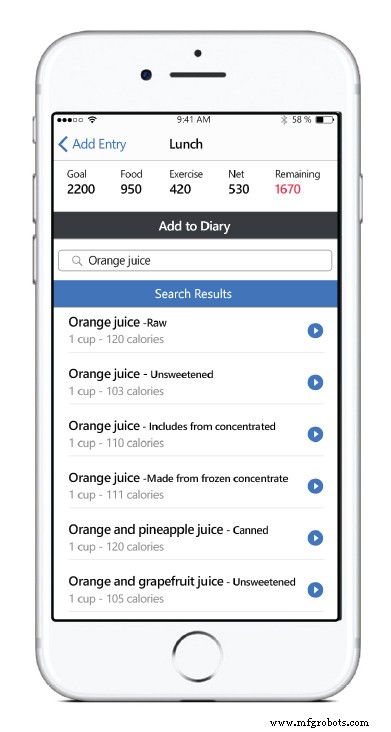
Empathy is the cornerstone of user‑centric design. By immersing yourself in the millennial experience—understanding the friction they encounter with existing solutions—you can uncover deep‑seated frustrations. For instance, many fitness and diet apps simply present raw data, but users lose interest when the information feels like a chore rather than a catalyst for change. A common pain point is the time‑consuming nature of meal logging: “I don’t have time to cook, so I eat out. How can I track my calories?” Addressing such real obstacles can create immediate value and drive engagement.
2. Deliver Tangible, Real‑World Results
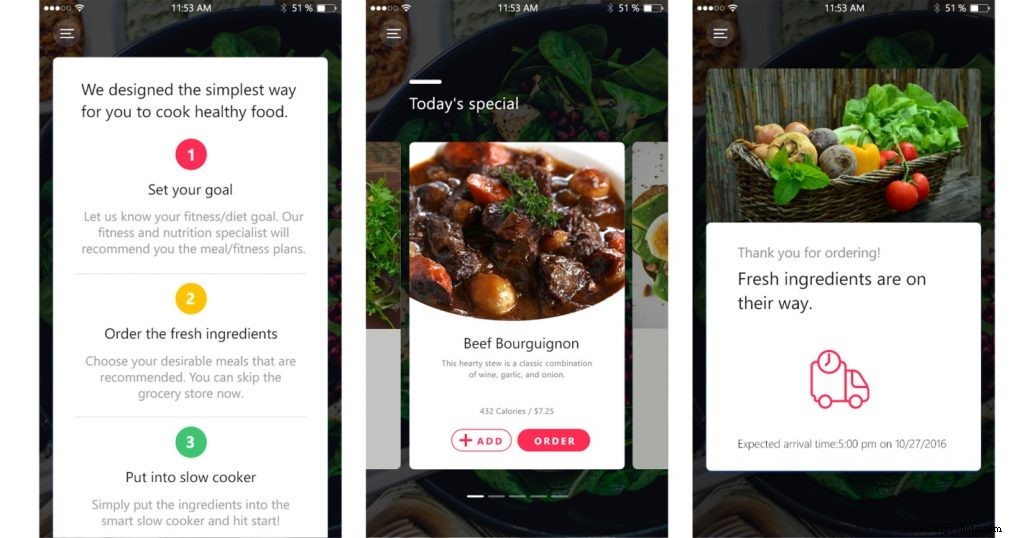
Millennials live in a world saturated with technology, yet many crave actionable, life‑impacting outcomes. Brands like Amazon have responded by opening physical stores (e.g., Whole Foods) to blend digital convenience with tangible experiences. In the health‑tech space, the most effective solutions are those that enable users to act—such as an app that sends personalized produce lists and pairing recipes to a smart slow cooker. When users see measurable progress from straightforward actions, they are more likely to return and form a lasting routine.
3. Communicate a Clear, Authentic Vision
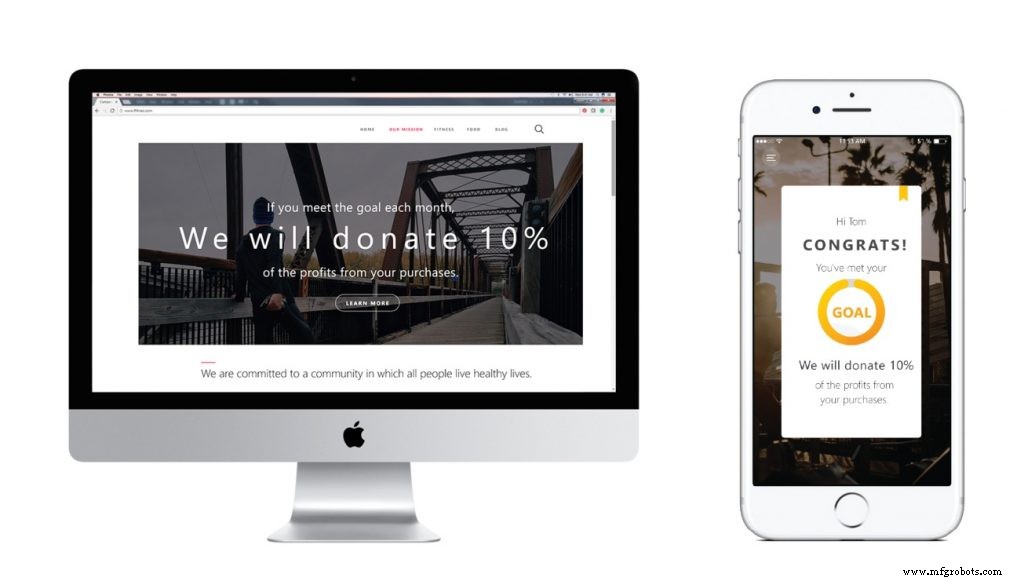
Research from Nielsen and Enso’s Brand World Value Index shows that millennials gravitate toward brands that are authentic and socially conscious. A bold, measurable commitment—such as pledging a dollar for every pound lost—transforms abstract values into tangible actions. Communicate this promise prominently: “Lose 10 lbs this month, and we’ll donate $10 to fight childhood obesity.” Consistency between messaging and execution is critical; any discrepancy erodes trust in this hyper‑transparent generation.
4. Reinforce Commitment with Rewards and Feedback
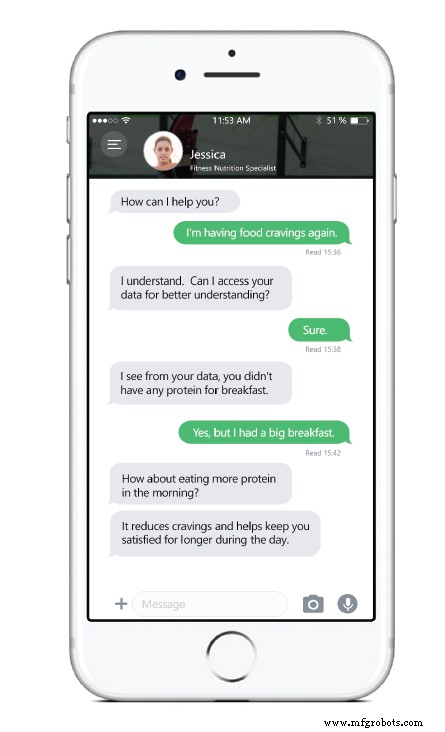
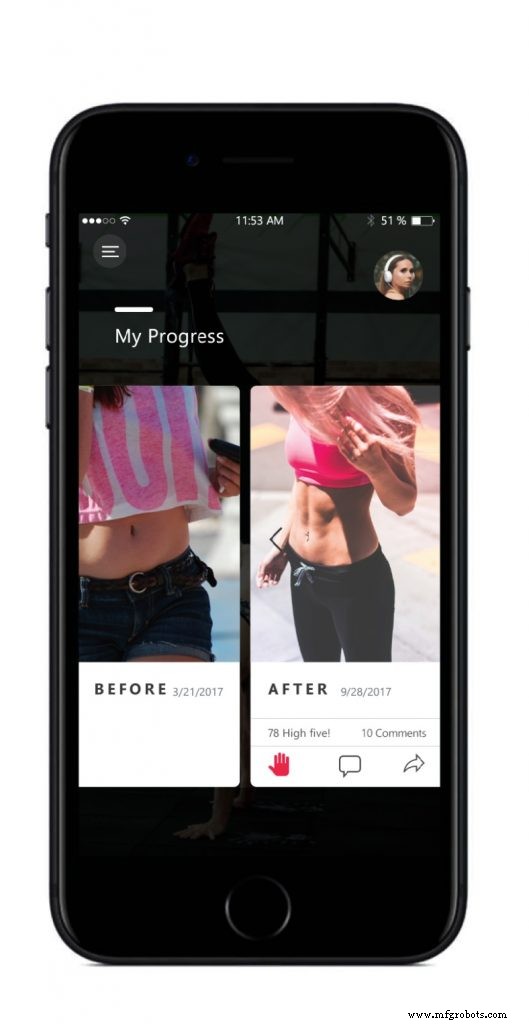
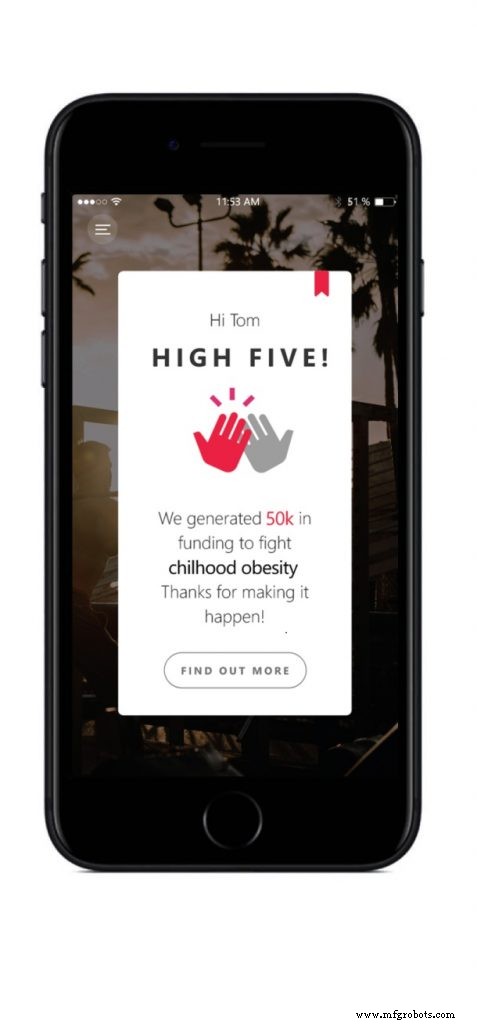
Psychological rewards—positive affirmations, badges, or community recognition—activate dopamine pathways that reinforce habit formation. Integrate gamified milestones (“High five! You ran 35 minutes today”) and foster a supportive peer community where users can share progress and receive feedback. The social release of a “like” or comment fuels continued engagement, turning one‑time users into habitual advocates.
5. Invite Users to Join Your Team
Mirror neurons in our brains make us naturally align with others who share our actions and intentions. By speaking to millennials as partners—“We raised $50k to support childhood obesity; thank you for making it happen”—you turn them into co‑creators. This sense of belonging transforms brand loyalty into personal success, fostering a two‑way relationship that is both motivating and sustainable.
For deeper insights into millennial‑centric UX, explore these resources: Senior UX, Millennial UX, Frictionless UX.
Learn how StudioRed can help you elevate your UX strategy for millennials: here.
Other Sources
- Millennials are Seeking Purpose and Innovation – Universum
- The Millennial Paradox: A Generation Uncovered – Landor
Author Bio
Soyun Kim is Senior Product Designer at StudioRed, a Silicon Valley consultancy renowned for brand research, UX/UI design, industrial engineering, and rapid prototyping. Prior to StudioRed, Soyun contributed to high‑profile projects for GoPro, fuseproject, RKS, and Lunar Design, serving clients such as HP, LG, JBL, Hamilton Medical, Unilever, SC Johnson, SanDisk, and Epson. Her work has earned accolades from the Industrial Designers Society of America, IDEA, Core77, CES Innovation Awards, Spark Awards, and Good Design Awards.
Manufacturing process
- Why Mechanical Design Services Are Essential for Product Success
- Designing UX for Seniors: A Comprehensive Guide
- Consumer Product Design: A Practical Guide for Success
- Design for Manufacturability: A Practical Guide for Engineers and Designers
- Creating Frictionless User Experiences: A UX Design Blueprint
- Automating Twisted Pair and Shield Cable Configuration in E3.series
- Master 3D Printing: A Complete Guide to Creating STL Models
- Step-by-Step Guide to 3D Printing Text: From Design to Final Print
- Master Product Design with Subtractive Manufacturing: Precision, Cost‑Effectiveness & Reliability
- Step‑by‑Step Guide to Building a Prototype with Expert Tips