



4 Proven Strategies to Cut Injection‑Molding Tooling Costs
Injection‑molding tooling is often the single largest expense in a product’s life‑cycle. While many engineers know molds are pricey, the real shock comes when a quote arrives. The good news: many cost‑driving elements stem from design choices that can be refined without sacrificing functionality.
In a standard mold, two halves—core and cavity—form the negative space that becomes the part. Features that cannot be pulled straight out of the cavity or core require “action” – an extra component or secondary operation that moves the tool to release the part. Even a small undercut can add a few thousand dollars if it requires a slide or a complex ejector system.
As a rule of thumb, an angled ejector typically costs around $1,500, while a side pull can run $4,000 or more. By understanding how action drives cost, you can design with tooling efficiency in mind.
Don’t Let Simple Holes Inflate Your Budget
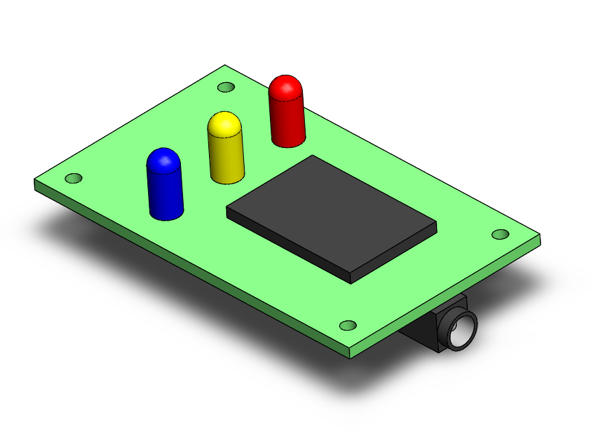
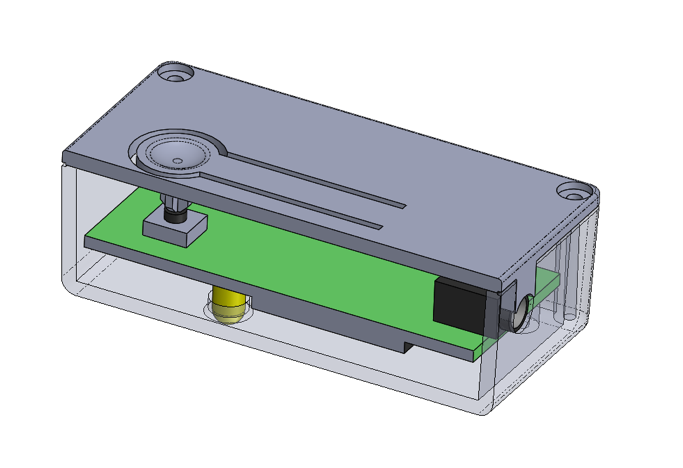
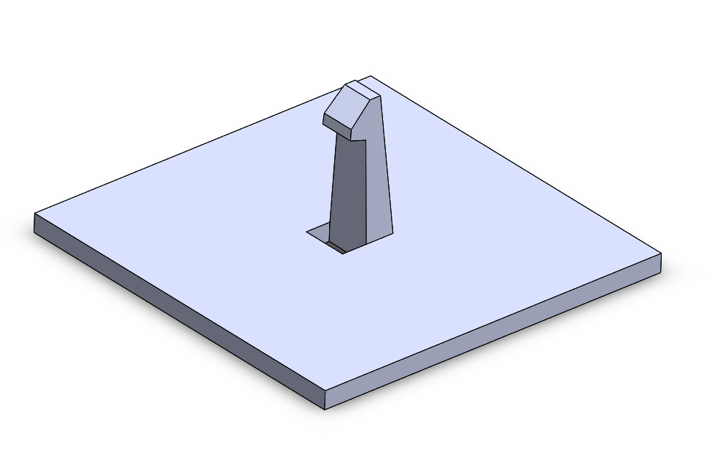
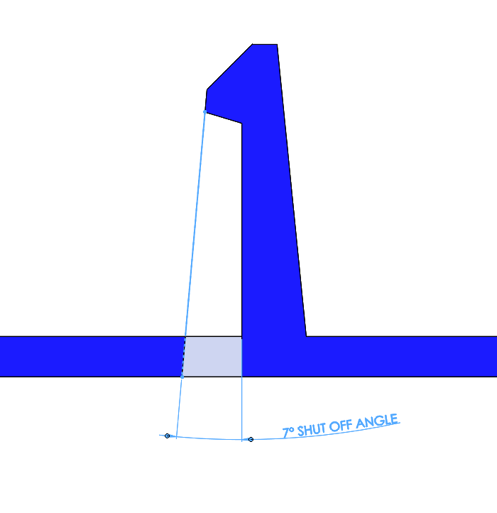
Adding holes for LEDs or mounting bosses is straightforward, but a power jack often forces a costly undercut. Instead of drilling a circular opening that would demand a side pull, consider a “mouse hole” that follows the parting line. If the hole sits close enough to the split, the tiny gap at the bottom can be ignored; if tighter tolerances are needed, an additional injection‑molded insert can seal the space.
Mouse holes rely on the “shut‑off” between the two mold halves, so a minimum of 7° draft is required to maintain a seal against plastic flow.
Button‑Free Buttoning: The Diving Board Trick
When a button sits on a non‑visible surface—like a reset switch on a PCB enclosure—you can embed a flexible “diving board” in the part itself. By allowing a thin section of plastic to flex, the board actuates the switch without any added parts or assembly steps. This trick eliminates an extra component cost while preserving ergonomics.
Hinges Without the Hurdle
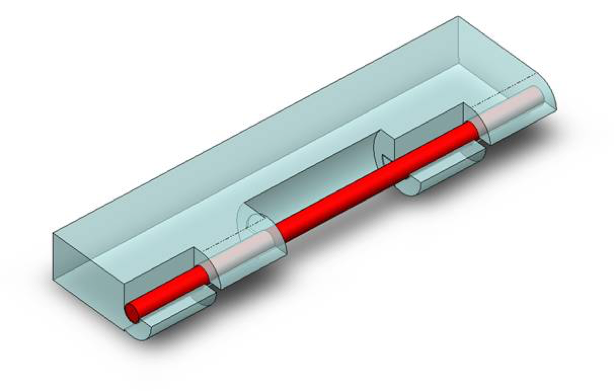
Traditional hinges with metal pins often necessitate an action if the pin hole isn’t aligned with the mold direction. Two proven alternatives keep tooling simple:
- Living hinges: Thin sections of polypropylene or other flexible polymers can bend thousands of times, eliminating the need for a pin or secondary operation.
- Alternating mouse holes: By drilling a series of small, strategically placed holes that alternate on each mold half, you can create a functional hinge without adding extra tooling complexity.
Snap‑Hooks: Low‑Cost Snap‑Fit Solutions
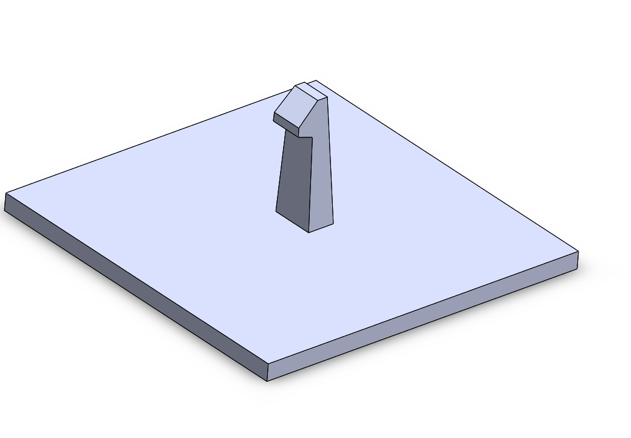
Snap‑fits are common for keeping hinged parts closed. While they typically involve undercuts, a single angled ejector can accommodate most designs. If the part can accept a small hole, you can even eliminate the need for an ejector entirely, keeping the tool cost flat.
Early collaboration with experienced molders or product‑design specialists ensures that these strategies are applied before the design is locked, helping you launch on budget without compromising on quality or aesthetics.




Manufacturing process
- Reduce Production Downtime with Quick‑Change Tooling Solutions
- Leveraging High-Performance Metrics to Cut Tooling Costs in Manufacturing
- Essential Toolholder Hygiene: Expert Tips from Leading Tooling Suppliers
- Mastering Manufacturing Tooling Costs: Strategies to Cut Expenses & Boost Profitability
- Cutting Costs: 3 Proven Strategies to Optimize Manufacturing Efficiency
- 5 Proven Strategies to Reduce Manufacturing Costs & Boost Profits
- Top 7 Proven Ways to Cut PCB Manufacturing and Assembly Costs
- Key Cost Drivers in Sand Casting: How to Maximize Savings
- Cut CNC Prototype Costs: Proven Strategies for Engineers
- Understanding 3D Printing Costs: A Comprehensive Guide