



Overcoming Hurdles in New Product Development: A Proven Blueprint
Evaluating the risks and rewards of transforming an idea into a sellable product is essential. While the challenges—ranging from upfront costs to certification, ramp‑up, and distribution—can feel daunting, they are typically surmountable with a structured approach.
When obstacles exceed your resources, consider a leaner development path and license the design to established manufacturers, marketers, or distributors.
Addressing these challenges is most effective when you break the journey into clear phases and pinpoint specific pain points within each.
- Solution
- Identify the core pain point and how you’ll educate users on the solution.
- Define your customer(s) and potential multiple stakeholders, such as:
- Medical Device: patient, doctor, caregiver
- Home Automation: architect, contractor, homeowner
- Map out how to reach and engage these audiences.
- Assess receptivity through low‑cost testing—user groups, social media, pilot trials.
- Product Development
- Scope the effort: technical complexity, market size, and competitive landscape drive cost and timelines.
- Technical complexity is the primary lever—an everyday toothbrush costs 80–90% less than a high‑tech smart‑phone accessory.
- Evolution vs. revolution: incremental refinements are cheaper but harder to capture market share; radical innovation requires iterative testing but can unlock new markets.
- Complex testing—safety certification, biocompatibility, environmental, thermal, and performance requirements—adds both cost and lead time. Involving safety experts early mitigates late‑stage compliance headaches.
- Environmental and performance criteria range from a simple 30‑inch drop test to advanced thermal convection at 20,000‑foot altitude.
- Manufacturing
- Production volume dictates tooling and ramp‑up costs.
- Low‑volume methods (sheet metal, RIM molding, casting) remain pricey per unit and may still require significant tooling budgets.
- Plan rigorously for ramp‑up: tooling, fixtures, raw materials, test protocols, container design, packaging, and documentation.
- Fulfillment
- Determine if the contract manufacturer will handle shipping, returns, and warranty.
- Negotiating comprehensive support agreements can be time‑consuming and legally intensive.
- Many brands ship containers to U.S. distribution centers, consolidating logistics and warranty handling.
- Large retailers often require dedicated product managers to maintain optimal inventory levels.
Each phase of product development introduces new hurdles. By confronting them incrementally, you can keep momentum and manage risk.
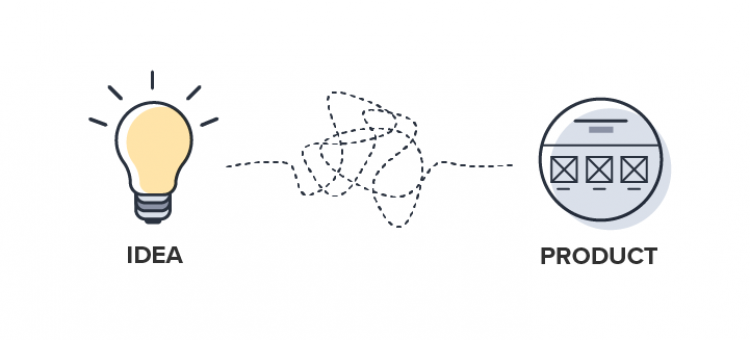
Before investing heavily, validate the market: research size, potential share, and the return on investment (ROI). If the numbers align, proceed to design and development.
Design is the first tangible step. Industrial design shapes the product’s look, feel, and usability. If a mobile or web component is involved, invest in UX/UI design. In crowded markets, superior design can be a differentiator; in niche segments, it can be the sole competitive advantage.

Engineering follows—mechanical, electrical, optical, structural, safety, and testing. Complexity increases with environmental requirements or electronic components. Depending on the scope, bring in specialists or contractors early.
Compliance—UL, CSA, CE, RoHS, FCC, FDA—must be addressed from the outset. For instance, reducing input voltage to a device can simplify UL certification and cut costs.
When you transition to manufacturing, partner with specialists early. Engage sheet metal stampers or injection molders during design to ensure manufacturability. Their input can save time and money—e.g., a simple chassis modification allowed in‑process PCB testing.
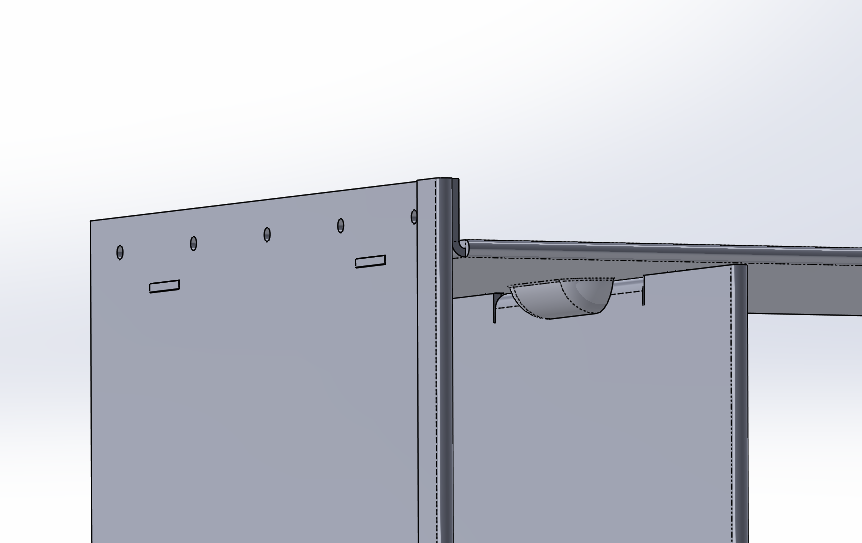
Production volume and geography guide manufacturing decisions. For 10,000+ units, injection molding may be justified; for 100,000+ units, offshore manufacturing can become cost‑effective, often with molds produced abroad and parts fabricated domestically.
Partnerships
Because customer acquisition and distribution are costly, consider licensing or partnering with established brands. A strong IP portfolio can attract larger partners who can integrate your product into their existing supply chains, accelerating market entry and delivering higher returns.
Engage at the right stage: develop enough to make the product attractive to partners, but avoid over‑engineering for internal production if the partner will source and assemble it.
Additional resources on product development can be found here.
About the author: Philip Bourgeois is the founder and president of StudioRed, a Silicon Valley product‑development consultancy that has delivered 3,500+ programs since 1983. StudioRed’s in‑house capabilities span brand positioning, UX/UI, industrial design, mechanical, optical, and structural engineering, and rapid prototyping—serving medical giants like Becton Dickinson, Abbott, Medtronic, and consumer brands such as Therasense.
Manufacturing process
- Designing Baby Products: Ensuring Safety, Compliance, and Market Success
- Silicon Valley Product Development: From 1980s Hardware to 2020s Biotech & Design Innovation
- Three Key Insights into Successful Product Development
- Mastering Product Design: Proven Strategies to Overcome Common Challenges
- Eliminating Chip Defects: Strategies for Automotive Product Development
- New Product Development (NPD): Turning Ideas into Market Success
- Overcoming New Product Development Challenges: Strategies for Success
- Concurrent vs. Sequential Engineering: Choosing the Right Approach for New Product Development
- Avoid These 6 Critical Pitfalls in New Product Development
- Master Remote Collaboration: Proven Tips for New Product Development Success