



Medical Product Design: Expert Tips & Proven Practices
Medical product design may seem niche, but the fundamentals mirror conventional product design—only the stakes are higher. Robustness, flexibility, and performance dominate over cost or simplicity of use.

When executed correctly, medical product design incorporates safety, certification, and design‑history files from the outset, guiding development, testing, and production ramp‑up. These requirements are unique to medical devices, yet manageable with experience.
I have spent 38 years in product development, leading over 3,500 medical‑device projects. In the following pages I’ll share the insights that differentiate medical design from other fields.
Like all product design, the foundation remains: a clear user, defined function, acceptable cost, and a manufacturing method that delivers the right balance of quantity, performance, and price. Ergonomics, user engagement, and visual appeal are common across all categories, but medical products add layers of safety, regulatory, and sustainability considerations.
Designing for the Correct User
One of the most frequent challenges is designing for the “normal” user rather than a super‑user. Teams, often composed of the most skilled and experienced professionals, tend to pack devices with deep capabilities and countless adjustments. In medical design we intentionally pare down functionality to what most clinicians actually need, ensuring that the product remains intuitive and reliable for the majority of users.

Safety and Robustness
Medical devices require dual safety systems—primary and redundant. Designers must anticipate alternate usage paths and lock out unsafe methods unless they’re proven safe. Even simple design choices, like preventing a disposable unit from being reused, can avert contamination risks.
Ergonomics
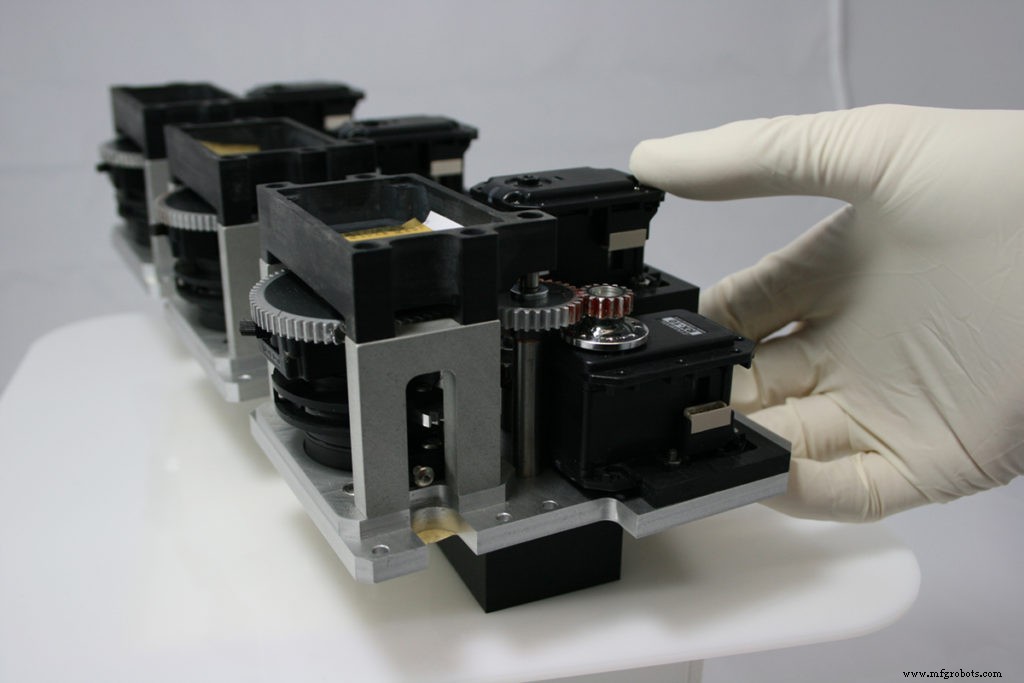
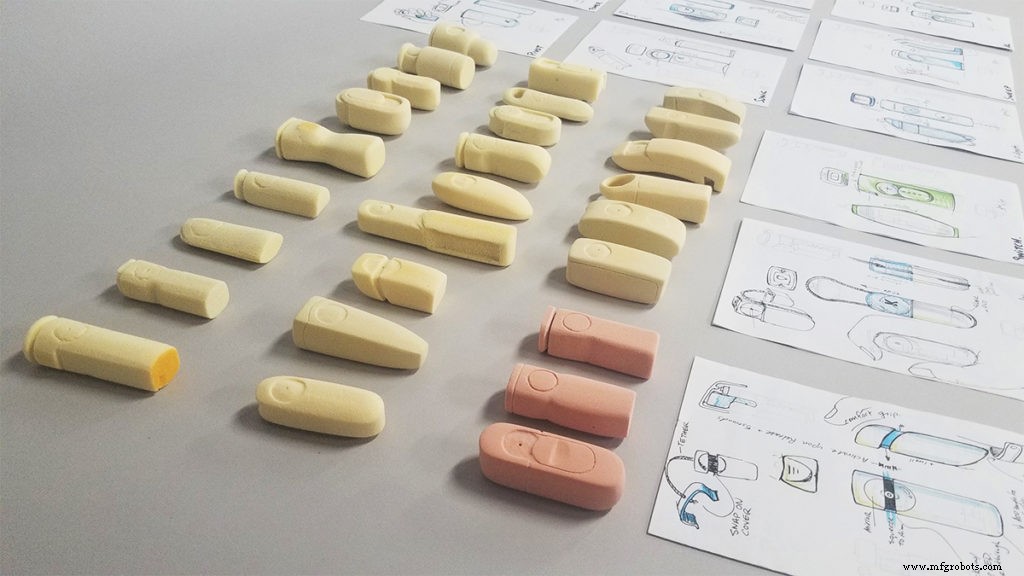
When a device is handled by hand—whether in a surgical suite or by a caregiver—ergonomic testing must involve real‑world geometry and sizes. We observed surgeons during arthroscopic procedures and discovered that while they accepted the device’s basic shape, mock‑ups with guiding features—such as thumb recesses and textured grips—elicited immediate, constructive feedback. These refinements, born from user interaction, are rarely apparent until hands‑on testing occurs.
Cost & Sustainable Design
Even when cost is not the primary driver, disposability and environmental stewardship resonate with clinicians, nurses, and procurement teams. A thoughtfully designed, eco‑friendly product can accelerate sales and become a point of pride for the purchasing hospital.
Safety Compliance
Certification is one of the most complex facets of medical product design. The first step is to map every market you plan to enter and verify its standards—UL, FDA, FCC for the U.S.; CSA for Canada; CE and RoHS for Europe. Leveraging components already UL or CE‑listed simplifies internal compliance. While many devices have straightforward electrical safety, the devil is in the details; addressing these early saves costly redesigns later.
Engaging a safety consultant can be invaluable. They guide component selection, oversee testing, and compile the reports that regulators require. Hiring an expert on an hourly basis is common practice until the product is ready for submission.
Design History Files
Design history files chronicle every step of the development journey—emails, specifications, research, test reports, component data, and engineering drawings—arranged chronologically. An FDA consultant often helps assemble these documents for submission. At StudioRed we maintain meticulous records, enabling clients to retrieve final design files even years later.
About the author:
Philip Bourgeois is the founder and president of StudioRed, a Silicon Valley product‑development consultancy that offers in‑house brand positioning, UX/UI, industrial design, mechanical, optical, and structural engineering, and prototyping. Since 1983, StudioRed has delivered more than 3,500 medical‑device projects—from floor‑mounted systems for Becton Dickinson and Abbott Labs to surgical wands for Arthrocare and consumer devices such as Therasense and Resound.
Manufacturing process
- Essential Cloud Computing Strategies for Startups and Enterprises
- 7 Proven CMMS Tips to Accelerate Setup and Boost Productivity
- Mastering Inconel Welding: Expert Tips for High‑Performance Applications
- Master Sheet Metal Design: Proven Tips & Tricks for Faster, Cost‑Effective Production
- 50 Proven Warehouse Design Strategies for Optimal Productivity & Safety
- Master PCB Design: Proven Tips to Enhance Signal Integrity, EMI, and Trace Layout
- Solder Mask Design: Proven Tips for PCB Reliability & Performance
- Expert Guide: Optimizing Thin-Wall Injection Molding for Quality and Cost Efficiency
- Master CNC Machining: Expert Tips & Best Practices
- Mastering Diamond Machining: Proven Tips & Advanced Techniques