



Mastering Diamond Machining: Proven Tips & Advanced Techniques
Posted on August. 26th, 2019, | By WayKen Rapid Manufactruing
CNC machining is traditionally considered a high precision method. But cutting methods have their limitations. You just can’t make a cutting edge perfect enough to compete with a grinding wheel in terms of tolerance and surface finish. However, new techniques and equipment are being developed incessantly. So, we have a considerably new solution that allows the CNC machine tools to come closer to the precision of abrasive methods. This solution is called Diamond machining.
Why Diamond Machining Can Improve Part Surface Quality
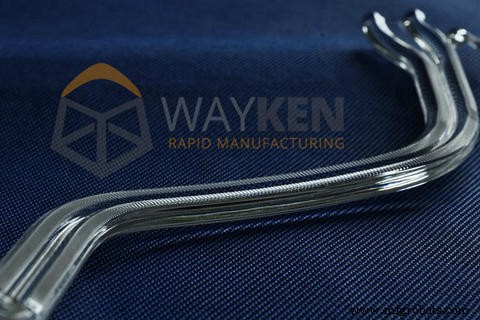
When machining, the hardness of the cutting tool is one of the most important parameters for machining techniques and as far as we all know there is nothing harder than diamond. Artificial diamonds can withstand very high temperatures and cutting regimes. They are considerably cheap and their cutting edge is so fine that you can get a mirror-like surface with a single-tip diamond cutter and that is the only way to achieve such fine surface finish without purchasing the extremely expensive grinding and polishing machines. The diamonds can be mounted on simple CNC machine tools and you can get outstanding results if you tweak the technological system for maximum rigidity. You can machine the hardest metals and obtain mirror-like surface finishes. Diamond turning and diamond milling are among the most widespread technologies that are available now for commercial use.
The Advantages of Using Diamond Machining
Diamond machining has a lot of advantages, the main of which are:
- Outstanding aluminum machining. Diamond tools are extremely good at withstanding high cutting speeds and temperatures. That’s why diamond techniques are often used for mass production of aluminum parts. A single diamond insert can outlast a lot of carbide tools when machining aluminum.
- Hard alloy production. It is a general law that a harder material can cut a softer one. Since there is nothing harder than diamonds, they are very useful for processing carbide, ceramics and other materials with high hardness parameters.
- Diamond Polishing. Some diamond cutters are used to polish transparent materials such as glass, polycarbonate, PMMA. That is due to the fact that the tip of the tool has very fine diamond grains.
- Durability. A diamond tool insert is 30-50 times more durable compared to a carbide insert.
- Surface finish. By employing diamond machining for high-quality machining you can get a better surface finish rather than with any kind of conventional tool. Basically, diamond tools bring a small grinding feature into machining.
Diamond Machining Techniques
The majority of machining methods that utilize diamonds to some degree are considered to be grinding and polishing techniques but there are two methods that can be implemented for the CNC equipment and are closer to cutting rather than abrasive processing.
Single-Point Diamond Turning
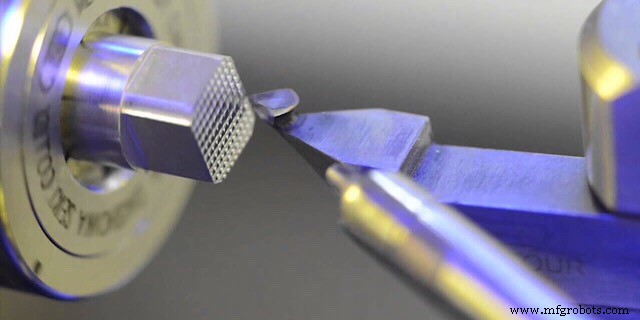
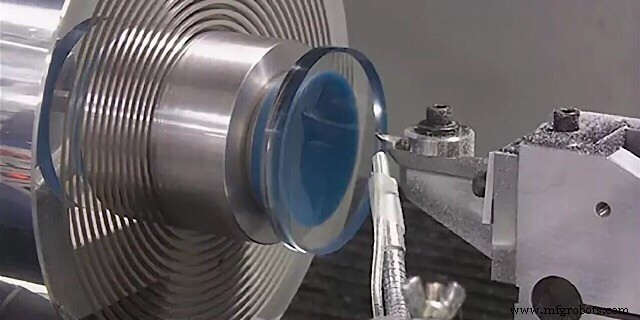
SPDT is a method that is extremely similar to simple turning but the tool used is a diamond-tipped cutter. In addition, the rigidity of the manufacturing system must be much bigger. That means short lengths between fixtures, shorter tool supports and bringing vibration to a minimum. SPDT is especially useful for manufacturing optical lens because they are revolution parts mostly and it is very convenient to fix them on a lathe and use single-tip diamond inserts to obtain clear transparent surfaces.
Single-point Diamond Milling
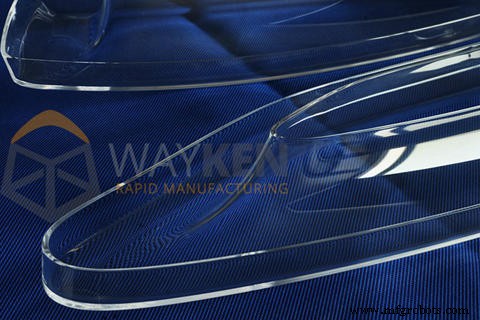
Single-point diamond milling is like conventional milling but the main difference is the cutting tool and processing parameters. The tool is a mill with diamond-tipped inserts. Mounted on a 5-axis machining center this mill is perfect for processing complex surfaces made of glass, PMMA, and polycarbonate. An extremely fast revolving diamond mill with a minimum cutting feed and an abundance of lubricant can create the best surface finish for automotive lamp lenses, light guides, and customized window panes. However, it is important to always remember about vibration as it will ruin all the surface quality at once. In order to improve the quality of the piece, some SPDM techniques involve machining only in one direction ( the mill processes a path and then returns to the initial side of the workpiece for a stepover movement, that way, the force of the cutting is always in one direction.
Which Tools Are Used For Diamond Machining
A diamond tool for machining is basically the same as any other cutting tool but for its insert. The insert has a base material made of tungsten or carbide and on its tip a thin diamond film is visible. This film is extremely hard and can last up to 50 times longer compared to conventional tools. It is very sharp and provides a very clear cut resulting in supreme surface finishes.
Which Materials Can be Cut With Diamonds
Diamond tools can process a lot of different materials among which are ceramics, silicone, polycarbonate, plexiglass ( PMMA), non-ferrous alloys such as aluminum, copper, bronze, titanium, glass, different polymers such as ABS, polyethylene and so on, highly abrasive materials such as concrete, granite, stone. As you can see, the material range is very wide starting from hard and brittle and ending with soft and transparent materials.
When You Absolutely Can’t Use Diamond Machining
One very important notice is that diamond tools cannot be used to cut steel or iron alloys. The reason for that is that all of them contain a considerable amount of carbon atoms. Machining is always carried out at high temperatures and since both diamond and steel contain carbon, the atoms can sinter when heated. That way, the tool can stick to the part material and both components are wasted.
Where Diamond Machining Can Bring Good Results
It is always best to discuss where diamond machining shines based on actual case studies. Therefore, a list of examples was formed
- Lamp lens prototypes. As part of CNC prototyping services, a car lamp lens prototype can be manufactured with diamond cutting. The lens is too large and its geometry too complex ( it actually had to be divided into segments and glued together later with saving ist light conduction properties) for grinding but a diamond-tipped mill with a 5-axis CNC machine tool can manufacture a great mirror-like surface with just the right quality.
- Light guides. Light guides are special tubes and transparent components that can help illuminate certain spots in a complex way. They need to have a very fine surface finish while retaining the complexity of their geometry. With the best 3-axis, 4-axis or even 5-axis CNC milling machines, Wayke has adopted the latest diamond machining technology that the ability of 5-axis micro-milling can produce different types of light guides and lens with excellent optical quality in an array or freeform pattern.
CNC Machine
- Essential Cloud Computing Strategies for Startups and Enterprises
- Medical Product Design: Expert Tips & Proven Practices
- 7 Proven CMMS Tips to Accelerate Setup and Boost Productivity
- Master Fiix CMMS: 7 Expert Tips for Rapid Implementation and Efficient Asset Management
- Mastering Inconel Welding: Expert Tips for High‑Performance Applications
- Master Sheet Metal Design: Proven Tips & Tricks for Faster, Cost‑Effective Production
- Professional CNC Machining Tips for Titanium – Aerospace, Automotive & More
- Mastering Microcircuit Boards: Essential Design Tips & Tricks
- Master CNC Machining: Expert Tips & Best Practices
- Mastering CNC Machining of Titanium: Alloy Selection & Tooling Tips for Durable Parts