



Single vs. Double-Sided PCBs: Which Design Is Right for Your Project?
When you want to manufacture the best prototype circuit boards for your project or business, you may find yourself wondering which is better: a single-sided PCB or a double-sided PCB?
You’re not alone. There are advantages to each, though both options inevitably serve the same function. Here are some of the most important facts and figures regarding single or double-sided PCB.
Similarities between the two
Though these PCB options have major differences, they still utilize many of the same components. Both single and double-sided prototype PCBs serve as electrical catalysts in order to transmit power and make connections between different components.
They are also made of the same FR4 material, a type of fiberglass that is mixed with epoxy and formed into multiple layers. For example, a four-layer board has internal layers that improve the distribution of power on your PCB layout. It does this by decreasing the loop area and improving EMI performance.
Single-Sided PCBs
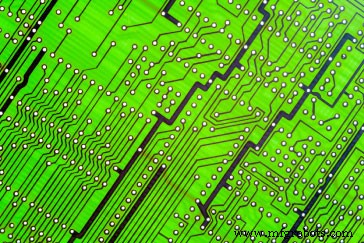
Single-sided PCBs have one layer of conductive material and are best suited for low density designs. A series of leads pass among the through-holes of the component-side before they are soldered to the copper tracks.
Single-sided PCB assembly was the original way to fabricate prototype circuit boards. As technology advanced and more power was needed for surface mount components, double-sided PCBs were manufactured.
- Ideal for simple low-density designs
- Lower cost than double sided PCBs, especially for large orders
- Easier to manufacture
Double-Sided PCBs
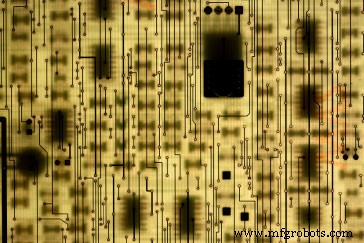
Double-sided PCBs became a convenient way to double the conducting power of the substrate core without sacrificing surface area, the key problem with single-sided PCBs. In a double-sided PCB, through-holes components are mounted on the top and surface mounts are present on the bottom. They are connected through “vias,” or holes that connect the two sides.
- Reduce board size by increasing circuit
- Provide greater flexibility for designers
- Reduce cost of for high density circuits
The main differences
Simply put, double-sided PCBs have more power. As the world’s need for technology advances, double-sided PCBs have become the most popular option for prototype printed circuit boards on the market today. Regardless, this is still the more expensive option for your printed circuit board prototype. Many small electronics are still able to benefit from single-sided uses and the cost is much cheaper. If you’re stuck trying to choose between the two options, the intended use for your prototype PCBs will be the determining factor.
When you want to get involved in printed circuit board manufacturing, each option has pros and cons when building prototype PCBs. To find out which option is best for you, don’t hesitate to contact PCB Unlimited, the best PCB assembly, design and layout, and fabrication company around. Visit our website at pcbunlimited.com for more information today.
Manufacturing process
- Python 2 vs Python 3: Key Differences and Choosing the Right Version
- How Printed Circuit Boards Evolved: From Basics to Modern Tech
- Chromium, Nickel, and Zinc Plating: Key Differences and Applications
- CNC Milling vs. CNC Turning: Key Differences Explained
- Low‑Carbon vs. High‑Carbon Steel: Key Differences Explained
- 304 vs 202 Stainless Steel: Key Differences Explained
- Understanding the Difference Between Bevels and Chamfers in CNC Machining
- End Mills vs Keyway Mills: Key Differences & When to Use Each
- Understanding Single vs. Double Stage Hydraulic Pumps: Key Differences Explained
- Single-Acting vs Double-Acting Pumps: Key Differences Explained