



Selecting Durable Shear Blade Steel for High‑Volume Metal Fabrication
Choosing the Right Shear Blade Steel for High‑Volume Production
January 23, 2026
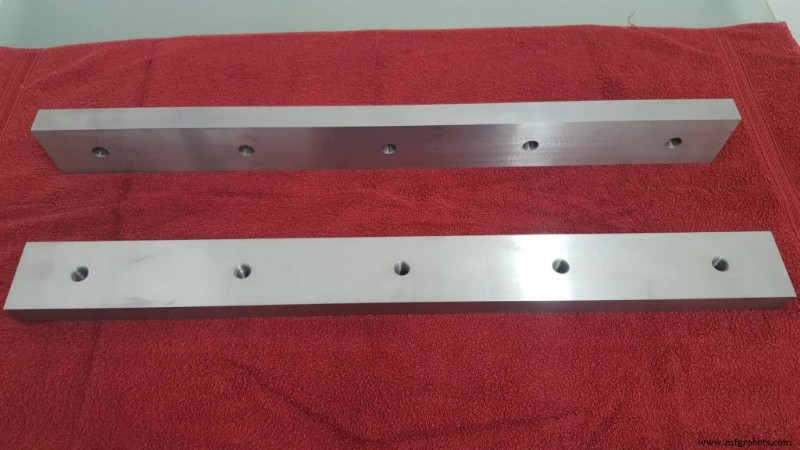
Boost production output with high‑strength shear blade steel. Gunna Engineering delivers reliable blade design and fabrication for Melbourne’s metal‑working sector.
High‑volume metal fabrication demands machines that combine extreme precision with minimal downtime. The performance of a guillotine or press hinges on blade quality, making the selection of the correct shear blade steel a pivotal engineering decision. Manufacturing efficiency, material compatibility, and long‑term maintenance costs all stem from the chosen metallurgical composition.
Metallurgical Requirements for Shear Blade Steel
Continuous, heavy‑duty production cycles impose immense stress on cutting tools. The ideal material balances toughness and hardness to sustain high‑volume throughput. Engineers must evaluate mechanical properties—such as impact toughness, hardness, and hardenability—to guarantee an extended service life between maintenance cycles.
Exceptional fracture and chip resistance are also essential. The steel must retain deep hardenability during heat treatment while maintaining impact toughness to avoid catastrophic failure under sudden, high‑impact loads or material irregularities.
Comparing High‑Performance Steel Alloys
The industry’s go‑to tool steels include D2 and H13, each tailored for demanding shearing tasks. D2 is a high‑carbon, high‑chromium steel that offers outstanding abrasive wear resistance thanks to its dense primary carbide structure. This hardness keeps the cutting edge sharp when processing high‑strength alloys, reducing the frequency of regrinding.
H13 hot‑work steel is engineered for thermal resilience. It retains critical strength and toughness above 300 °C, making it the preferred choice for hot‑shearing applications. Its composition delivers superior thermal durability without the brittleness sometimes associated with ultra‑hard cold‑work steels.
Factors Affecting Blade Longevity
Maximising blade life requires aligning machine parameters with material selection. Even the best steel can fail prematurely if operational best practices are not followed.
Key operational factors include:
- Optimal Rake Angle: Adjusting the top‑blade angle spreads the cutting force more evenly, reducing shock loads.
- Precise Blade Clearance: Correct spacing between blades ensures clean, square cuts and prevents burring or material deformation.
- Material Hardness: Cutting material that exceeds the blade’s hardness accelerates wear; a more robust alloy or reduced speed may be necessary.
- Proper Lubrication: Cutting lubricants lower frictional heat and chip adhesion, preserving edge sharpness and slowing abrasive dulling.
- Regrinding Schedule: A defined schedule removes only the minimal material before dulling, maintaining blade geometry and extending service life.
For a detailed technical analysis of wear mechanisms, consult the journal case study “Wear Mechanisms of NiCrVMo‑Steel and CrB‑Steel Scrap Shear Blades.”
Strategic Investment in Cutting Performance
Choosing the correct shear blade steel is more than procurement—it’s a strategic investment that drives throughput and profitability in Australian fabrication plants.
Gunna Engineering offers bespoke industrial shear blades that meet Australian standards. Our seasoned team provides full consultative support, helping you specify the precise material and geometry to minimise costly downtime and maximise component life.
Contact us today to start optimizing your shear blade performance.
Related Blog Article: Shear Blade Geometry and Quality Explained: Achieving Cleaner, Precise Cuts
Optimized by: Netwizard SEO
Manufacturing process
- The Evolution and Craft of Zippo Lighters: History, Manufacturing, and Collecting
- Overcoming Challenges in Stainless Steel Machining: Solutions & Best Practices
- The Complete Guide to Automobile Pistons: Function, Design, and Performance
- Precision Word Clock: Minute‑Level Time Display in Words
- Build a DIY VR Skateboard with Arduino, Google Cardboard, and Bluetooth
- Electrical Discharge Machining (EDM): CNC-Integrated Principles, Operation, Benefits, and Drawbacks
- Understanding How a Shaper Machine Operates: A Practical Guide
- Build a Sith-Inspired Smart Home Entrance System
- Straightening Sheet Metal: What It Is & Why It Matters
- Arduino 101 BLE + Blynk: DIY Bluetooth‑Controlled Tank Robot