



Optimizing Shear Blade Geometry for Precision Cuts and Operational Efficiency
Shear Blade Geometry and Quality Explained: Achieving Cleaner, Precise Cuts
November 7, 2025
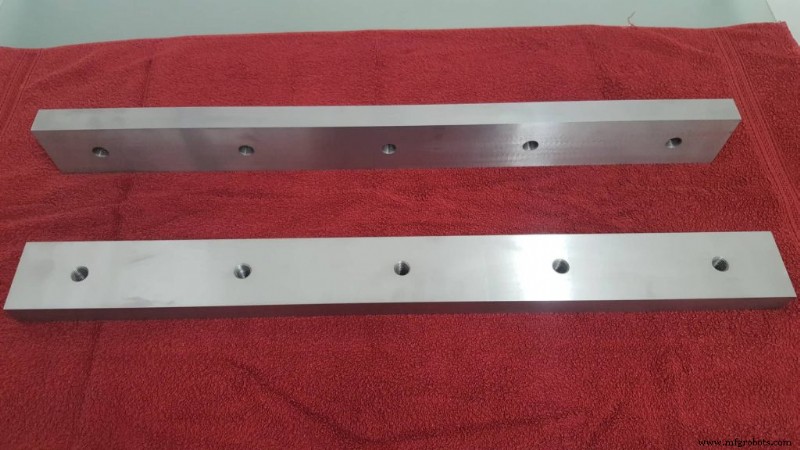
Achieve cleaner, precise cuts with Gunna Engineering’s shear blades in Melbourne. Discover how blade geometry and material choice boost performance.
High‑performing manufacturing and fabrication depend on accurate, efficient cutting solutions. The geometry of a shear blade—its angles, bevel, and clearance—directly affects cut precision, reduces waste, and improves production outcomes. At Gunna Engineering we supply expertly engineered blades that support metalworking, fabrication, and heavy‑duty manufacturing, delivering consistent performance across a wide range of applications.
Why Shear Blade Geometry Matters for Clean Cuts
Blade geometry—engineered angles, bevels, and clearance—determines cutting precision and consistency. Optimizing blade angle, clearance, and bevel design minimizes cutting force while producing smooth, uniform cuts. This reduces burrs, material waste, and rework, resulting in greater efficiency.
A study in the Journal of Materials Science: Materials in Engineering found that maintaining a tool clearance between 0.10 h and 0.20 h (where h is sheet thickness) yields smoother sheared surfaces and lower cutting forces, especially with slightly angled tools. Balancing these parameters cuts burrs, waste, and the need for rework, delivering cleaner, more efficient outcomes.
How Material Quality Affects Cutting Performance
The composition of a shear blade is as important as its design. Using premium materials—tool steel, alloy steel, or carbide‑tipped edges—provides the durability required for heavy, repeated use. High‑quality blades maintain their edge longer, delivering consistent results even under demanding conditions.
Blades made from inferior materials wear quickly, leading to inconsistent cuts and frequent downtime. Visible wear indicators include chipping, uneven edges, and increased cutting resistance. Regular inspections and timely replacements are essential to preserve accuracy and protect equipment.
Benefits of Choosing Precisely Engineered Shear Blades
Investing in advanced blade design offers significant advantages for precision‑cutting operations. Businesses achieve higher‑quality outputs and cost and efficiency gains over time.
Key benefits include:
- Cleaner, smoother cuts – Precision blades produce accurate, high‑quality cuts with minimal burrs, reducing secondary processing and saving time and labour.
- Reduced downtime – Durable blades require fewer replacements and adjustments, keeping operations running smoothly and minimizing workflow disruptions.
- Extended blade life – Premium materials and optimal design resist wear, lowering replacement frequency and maintenance expenses.
- Improved safety – Sharp, reliable blades enhance operator control and reduce accident risk, creating a safer work environment.
- Cost savings – Superior blades lower long‑term operational costs through reduced waste, downtime, and repairs, boosting profitability.
Premium blades from Gunna Engineering are tailored to meet specific operational needs, ensuring each client receives a product designed for precision and durability.
Partnering with Gunna Engineering for Cutting Excellence
We manufacture custom shear blades and replacement parts for even the oldest mechanical punch and shear machines. Our focus on precision engineering and fast turnaround times ensures clients receive high‑performing punches, dies, and blades that meet exact specifications.
By optimizing shear blade geometry, our solutions deliver clean, accurate cuts that improve efficiency and consistency across industrial applications.
Contact us today to discuss your cutting requirements or visit our website to explore custom solutions that enhance your productivity and precision.
Related Blog Article: CNC Shear Blade Manufacturer – Gunna Engineering: Top Choice for Sheet Metal Fabrication
Optimized by: Netwizard SEO
Manufacturing process
- Smart Shower Regulator - Reliable Solenoid Valve for Precise Temperature Control
- The Crucial Role of Heat Treatment After CNC Machining for Precision Parts
- Chip Conveyors: Essential Solutions for Efficient Machining Waste Management
- Powder Metallurgy: Process, Benefits, and Drawbacks
- Ignition Systems Explained: The Spark That Powers Every Engine
- Inside Metal Casting: A Complete Foundry Tour from Pattern to Product
- FASTMET & FASTMELT: Advanced Ironmaking Technologies for Efficient Metal Production
- Top-Tier Wire EDM Machines: Precision Cutting Solutions from Taiwan
- Arduino‑Powered Smart Trash Bin with Auto‑Open Lid
- Essential Guide to Impulse Turbines: Definition, Applications, and Components