



Biomanufacturing: Harnessing Nature to Revolutionize Modern Manufacturing
Biomanufacturing stands at the forefront of industrial innovation, blending centuries‑old biological processes—fermentation, enzymes, and microorganisms—with cutting‑edge engineering to deliver materials and chemicals traditionally produced through energy‑intensive, synthetic routes. This paradigm shift not only reduces environmental footprints but also unlocks new avenues for sustainability and cost efficiency across a spectrum of sectors.
How Biomanufacturing Works
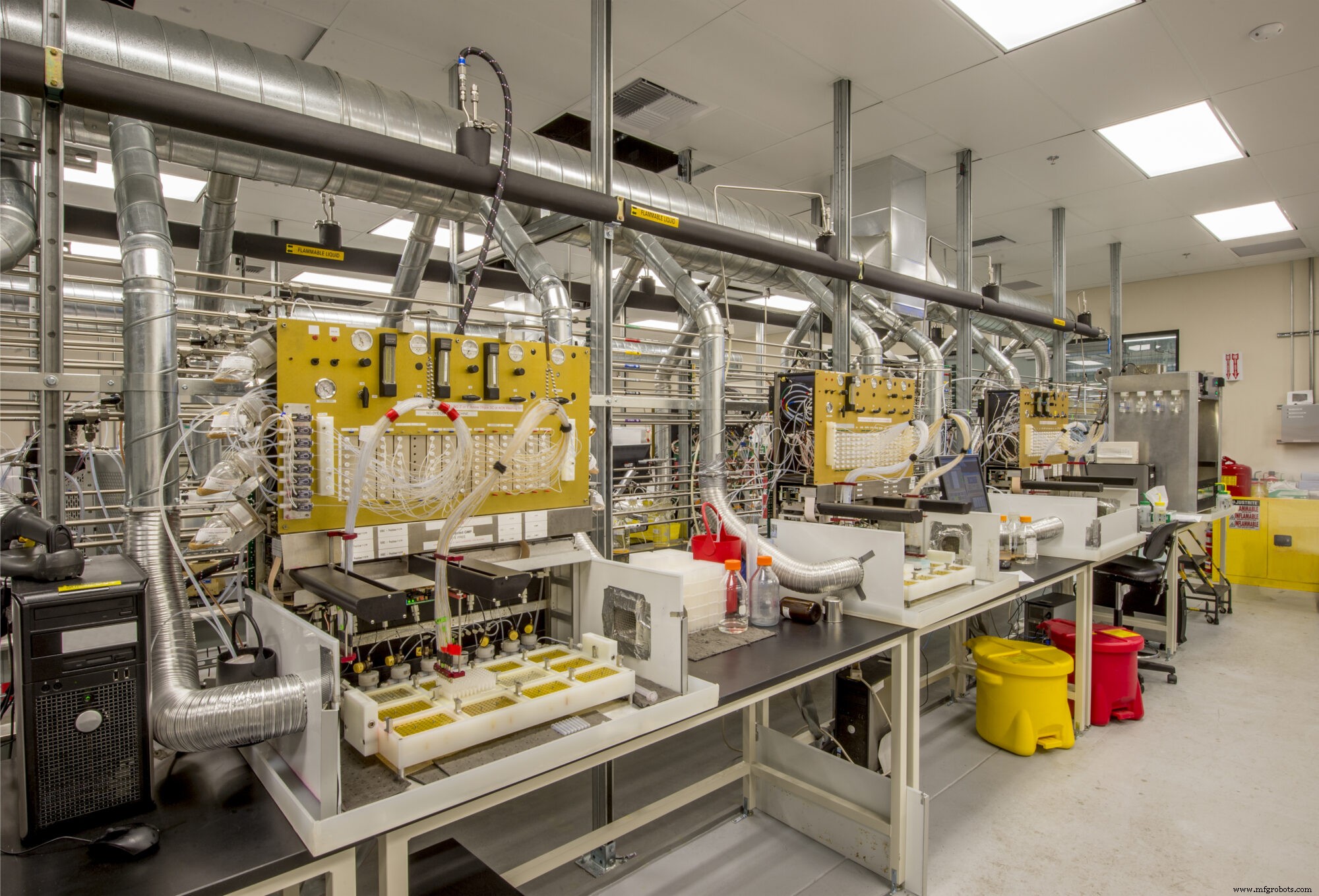
The core of biomanufacturing is the harnessing of natural biochemical pathways. By guiding microorganisms to perform precise reactions, manufacturers can produce polymers, solvents, and specialty chemicals with minimal external energy input. Unlike conventional synthesis that relies on heat, pressure, and fossil fuels, bioprocesses typically operate at ambient temperatures and can be powered by renewable inputs such as solar or biogas.
Fermentation, the most widely adopted bioprocess, has been refined over millennia—from bread making to brewing—and now underpins the production of everything from biodegradable plastics to high‑purity pharmaceuticals.
- Raw‑material synthesis (plastics, paper, textiles)
- Chemical manufacturing (soaps, detergents, specialty solvents)
- Bioenergy generation (biomass‑to‑electricity, biofuels)
- Food fortification and natural preservation
Industry‑Wide Impact
Biomanufacturing is reshaping diverse fields, delivering both economic and ecological advantages.
- Construction & Infrastructure
- Biocementation: Microbial biofilms reinforce concrete, enhancing durability.
- Bioremediation: Engineered microbes degrade hazardous contaminants, turning them into benign by‑products.
- Electronics – production of paper‑thin, flexible polymers for printed circuits and touch sensors, dramatically cutting material and energy costs.
- Consumer Goods – sustainable textiles, biodegradable packaging, and low‑waste cosmetic ingredients.
- Food & Beverage
- Microbial vitamin & amino‑acid fortification.
- Digestive‑enhancing enzymes.
- Natural antimicrobials that extend shelf life without synthetic additives.
- Pharmaceuticals & Biomedicine
- On‑demand vaccine and antibody production.
- Engineered tissues and organ scaffolds for regenerative therapies.
Key Advantages
- Energy Efficiency – Replacing high‑temperature synthesis with microbial fermentation reduces carbon intensity by up to 70% in some processes.
- Accelerated Innovation – Low‑cost, scalable bioprocesses enable rapid prototyping, from prototype polymers to proof‑of‑concept medical devices.
- Sustainability – Biobased feedstocks are renewable, and resulting products often exhibit superior biodegradability or recyclability, addressing global waste challenges.
With a growing portfolio of proven applications and a clear pathway toward broader adoption, biomanufacturing is poised to become a cornerstone of the next industrial revolution, delivering safer, greener, and more resilient manufacturing solutions worldwide.
Equipment Maintenance and Repair
- How COVID‑19 is Reshaping Manufacturing: Production, Demand, and Supply Chain Impacts
- Digital Twin Technology: Shaping the Future of Manufacturing
- Phil Pasma: Redefining Manufacturing for the Next Generation
- How 3D Printing Is Transforming Manufacturing, Healthcare, Aerospace, and Education
- Powering the Future: Innovative Energy Management for Manufacturers
- Future-Proofing FMCG Production: Innovative Maintenance Strategies
- How Technology is Transforming Tomorrow's Manufacturing
- From Foundations to Innovation: The Past, Present, and Future of Manufacturing
- How 3D Printing Will Transform Manufacturing in the Next Decade
- How 3D Printing is Revolutionizing Modern Manufacturing