



Cutting Generator Energy Costs: Proven Strategies for Business Power Efficiency
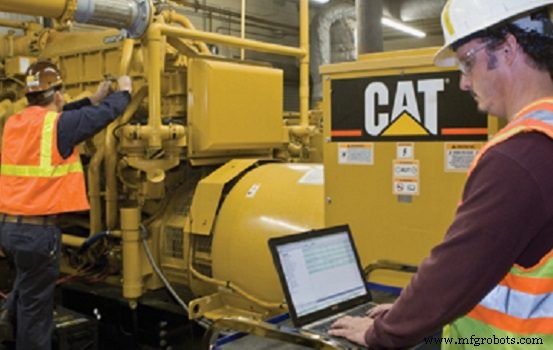
For businesses that rely on standby or primary power, controlling generator operating costs is essential for profitability. The U.S. Energy Information Administration reports that energy can account for up to 12% of a plant’s operating expenses—making cost‑saving measures a top priority.
Below are evidence‑based tactics that help you reduce fuel use, extend equipment life, and keep power reliable without compromising performance.
1. Select the Right Generator Size
Choosing a generator that matches your peak load is the first step to efficiency. An undersized unit runs at high load for extended periods, accelerating wear and increasing fuel consumption. Conversely, an oversized genset incurs unnecessary purchase and operating costs. Use a load‑analysis report—often available from manufacturers or a qualified consultant—to size the unit correctly.
2. Implement a Predictable Maintenance Regimen
Routine, factory‑recommended maintenance is the most straightforward way to cut operating costs. Scheduled oil changes, filter replacements, and generator‑testing reduce downtime and keep fuel consumption within spec. The National Institute of Standards and Technology (NIST) notes that preventive maintenance can lower fuel usage by up to 15% in diesel gensets.
3. Adopt Peak‑Shaving Techniques
Peak shaving reduces energy demand during high‑rate periods, directly lowering fuel burn. Tactics include:
- Optimizing HVAC and lighting loads with energy‑efficient equipment.
- Installing smart power‑management systems that shift non‑critical loads.
- Leveraging on‑site renewable generation—such as solar panels—to offset peak demand.
By reducing load at peak times, you can keep the generator operating at its most efficient point.
4. Upgrade to Modern, Eco‑Friendly Generators
Newer gensets incorporate advanced fuel‑injection, variable‑speed drives, and electronic controls that reduce emissions and improve fuel economy. While the initial capital outlay is higher, life‑cycle cost analyses show that modern units can recover the investment in 3–5 years through lower fuel and maintenance costs.
5. Deploy Real‑Time Monitoring Systems
Connected monitoring platforms provide real‑time data on load, fuel levels, temperature, and battery health. By visualizing trends, you can schedule maintenance at optimal times, detect anomalies early, and prevent fuel theft. Many vendors offer dashboards that integrate with existing plant SCADA systems.
Don’t let energy expenses dominate your budget. Apply these best practices to keep your generators running efficiently and cost‑effectively. For in‑depth guidance on Caterpillar generator solutions or to discuss how NMC Power Systems can help you maintain and optimize your power assets, contact our specialists today.
Tags:
Equipment Maintenance and Repair
- Boiler Maintenance Essentials: A Comprehensive Guide for Facility Managers
- MTBF Demystified: A Comprehensive Guide to Reliability & Maintenance
- CMMS Maintenance Software: Why Users Are Often Unhappy
- Why Aircraft Maintenance Is Critical for Airlines: Key Benefits & Safety Impact
- 9 Key Benefits of a Multi‑Site CMMS for Your Organization
- The Springboard Center Partners with eMaint to Enhance Addiction Treatment Services
- St. John of God Community Services Ltd Adopts eMaint for Enhanced Facility Management
- Preventative Truck Maintenance: Long-Term Benefits That Drive Performance and Save Costs
- GE Secures $116M, 5-Year Service Partnership with TVA to Enhance Power Plant Reliability
- 4 Key Reasons Your CMMS Rollout May Fail (and How to Avoid Them)