



Boiler Maintenance Essentials: A Comprehensive Guide for Facility Managers
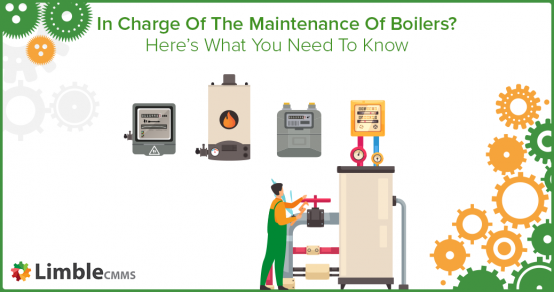
The industrial revolution was powered by boilers, and they remain indispensable in modern facilities. Every industrial site hosts at least one boiler, underscoring its critical role.
In a production environment, boilers operate continuously, driving processes, heating, and power generation. Their reliability directly impacts safety, productivity, and cost. Consequently, a disciplined maintenance regime is non‑negotiable.
If you oversee boiler upkeep, this guide offers essential insights and best practices.
Why Neglecting Boiler Maintenance Is Dangerous
Boilers combine high temperatures, pressurized steam, and combustible fuels—an inherently hazardous mix. Even a minor oversight can trigger catastrophic failures.
Example: On May 7, 2020, an explosion at NLC India Ltd’s thermal power plant in Neyveli, Tamil Nadu, claimed six lives and injured 17 others. The incident stemmed from a boiler fire that escalated into an explosion.
Engineers design boilers with robust safety features, but skipping routine inspections erodes these safeguards, leading to inefficiencies and, ultimately, blowouts. Common reasons for maintenance lapses include budget cuts, resource constraints, and complacency.
Bottom line: disciplined, expert‑led maintenance is essential.
Boiler Types Explained
Over centuries, boiler technology has evolved. Today, designs vary by energy source, tube configuration, furnace placement, and circulation method.
Energy Sources
- Wood
- Charcoal
- Coal
- Oil
- Natural gas
- Electricity
Tube Configuration
Boilers heat water using fluid circulation in tubes. They are categorized as:
- Fire‑tube boilers: Hot combustion gases flow through tubes surrounded by water.
- Water‑tube boilers: Water circulates within tubes exposed to hot gases.
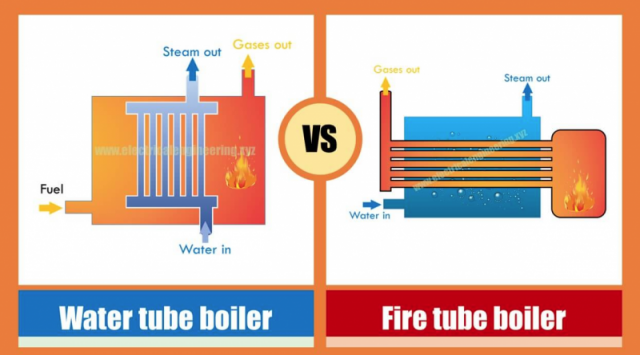
Water‑tube vs fire‑tube boiler. Source: ElectricalEngineering.XYZ
Number of Tubes
- Single‑tube boilers: Feature one tube (fire or water). Suitable for low capacity needs.
- Multi‑tubular boilers: Incorporate multiple tubes, enabling higher capacity and efficiency.
Furnace Position
- Internally fired: Combustion occurs inside a dedicated chamber within the shell.
- Externally fired: Combustion takes place outside the boiler shell.
- Electric boilers bypass combustion entirely, eliminating the need for a furnace.
Circulation Method
- Natural circulation: Gravity and convection drive fluid movement.
- Forced circulation: Pumps or other devices actively circulate fluid.
Common Boiler Issues
Regardless of type, boilers face recurring challenges. Addressing them promptly prevents escalation.
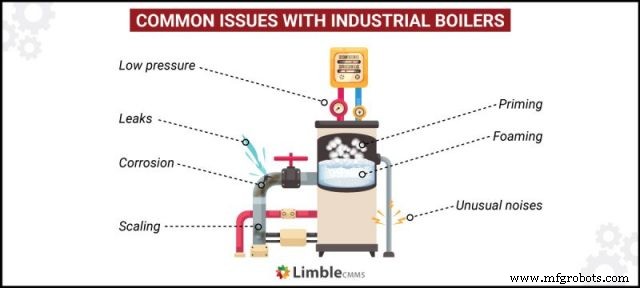
- Leaks: Surface or component leaks trigger safety hazards and inefficiency.
- Corrosion: Metal components exposed to water degrade, compromising integrity.
- Scaling: Mineral deposits reduce heat transfer and increase pressure drop.
- Foaming: Solid impurities cause foam, reducing efficiency and depositing on equipment.
- Low pressure: Indicates upstream or downstream issues.
- Priming: Water entrained in steam (wet steam) leads to energy loss and corrosion.
- Unusual noises: Bangs, whistles, or vibrations often signal mechanical faults.
Key Boiler Components & Their Maintenance
Understanding each component’s role and maintenance needs is vital for effective troubleshooting.
Burner
The combustion zone where fuel meets air and ignition. Inefficient combustion wastes fuel and can cause uncontrolled fire.
- Inspect burners, electrical connections, and fuel lines weekly.
- Check for corrosion, debris, and fuel leakage.
Combustion Chamber
Isolated space for combustion. Soot buildup hampers efficiency and can ignite.
- Clean soot and debris monthly.
- Verify air intake and inspect for cracks or corrosion.
Heat Exchanger
Transfers heat from combustion gases to water. Material fatigue can lead to leaks.
- Inspect for cracks, corrosion, and deformation.
- Employ ultrasonic or eddy‑current testing annually.
Controls & Sensors
Critical for safe operation. Failures can trigger catastrophic events.
- Test electrical connections and update firmware.
- Follow cybersecurity best practices.
- Replace components per OEM schedule.
Transport Lines
Pipes and tubes conveying water, steam, and exhaust.
- Check for corrosion, cracks, and pressure loss.
- Ensure unobstructed flow.
Exhaust Stack
Chimney system that removes combustion gases.
- Inspect for cracks, leaks, and soot buildup.
- Verify that hazardous gases are properly vented.
Developing a Robust Maintenance Schedule
Manufacturer guidelines provide a baseline, but real‑world conditions demand customization.
- Consider water hardness, pH, and impurities.
- Account for ambient temperature, humidity, and potential spillage.
- Collaborate with OEM engineers, reliability specialists, and on‑site technicians.
Define daily, weekly, monthly, and semi‑annual tasks and document them in checklists and SOPs.
Sample Maintenance Checklists
Regular, meticulous tasks reduce downtime and extend boiler life.
Daily
- Drain and vent non‑operating units.
- Log fuel usage, temperature, and pressure.
- Monitor steam and inlet pressures.
- Inspect furnace flame for irregularities.
- Check venting and drainage for blockages.
- Sample water for hardness and mineral content.
Weekly
- Verify fuel supply integrity.
- Perform evaporation tests.
- Inspect for water, steam, and exhaust leaks.
- Validate control system performance.
- Test safety indicators.
- Listen for abnormal noises or vibrations.
Monthly
- Inspect components for cracks.
- Clean combustion chamber, chimney, and stack.
- Test ignition system.
- Check for hotspots on exterior surfaces.
Semi‑Annual
- Assess internal scaling.
- Evaluate corrosion on tubes and transport lines.
- Check pump operation.
- Conduct non‑destructive testing.
- Inspect electrical wiring and switches.
Always tailor the schedule to the specific boiler model, OEM guidance, and operational history.
Take Control of Boiler Maintenance
Boiler reliability is a linchpin of industrial safety and profitability. Avoid cost‑cutting shortcuts that jeopardize safety.
Implement comprehensive maintenance plans, enforce checklists, and adopt SOPs to guarantee timely, disciplined upkeep.
For streamlined planning, tracking, and reporting, consider Limble CMMS—a user‑friendly platform that supports boiler maintenance workflows.
Equipment Maintenance and Repair
- Outsourced Maintenance Explained: Boost Reliability, Cut Costs, and Streamline Operations
- Comparing Maintenance Employment Costs: Why Outsourcing May Be Cost‑Effective
- Why Switching to CMMS Beats Status Quo Bias – A Practical Guide
- Emergency Maintenance: Minimizing Risks and Responding Effectively
- Building Maintenance Mastery: Expert Insights on Safety, Cost‑Effectiveness, and Compliance
- Mastering Bladder Molding: Key Insights for Advanced Composite Manufacturing
- Predictive Maintenance: Unlocking Efficiency and Risk Reduction with Data-Driven Insights
- Preventive Maintenance Demystified: A Complete Guide for Modern Organizations
- Mastering Overmolding: Key Insights, Materials, and Applications
- Centrifugal Pumps Explained: Key Features, Applications & Benefits